































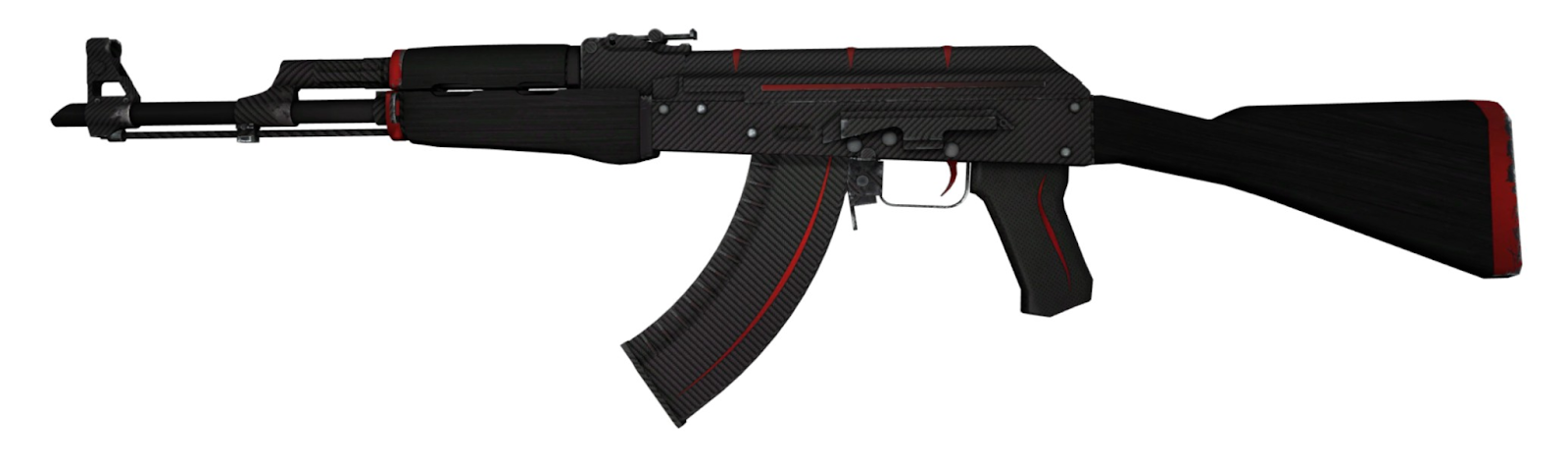
The Counter-Strike skin market has grown into one of the most fascinating digital economies in gaming, attracting traders, collectors, and investors from around the world. With some skins selling for thousands – or even hundreds of thousands – of dollars, many players are beginning to ask a serious financial question: Are CS2 skins a good investment?
Unlike traditional stocks or crypto, CS2 skins exist in a unique, community-driven economy where rarity, demand, cultural hype, and game updates all influence value. Understanding how this ecosystem works is essential before you invest in CS2 skins, sell CS2 skins, or attempt to turn your inventory into long-term profit.
This article explores the fundamentals of CS2 skin investments, examines whether they can be profitable, and provides insight into how modern platforms like LIS.SKINS can support safer, smarter trading strategies.
Join The European Business Briefing
New subscribers this quarter are entered into a draw to win a Rolex Submariner. Join 40,000+ founders, investors and executives who read EBM every day.
SubscribeWhy Players See CS2 Skins as Investments
CS2 skins are not just cosmetic upgrades – they function like digital collectible assets. The skin market behaves in ways similar to real-world investment categories: items fluctuate in value, rare assets appreciate over time, and traders constantly analyze trends to determine what to buy or sell.
The appeal of CS2 skin investments often stems from several factors:
- Limited Supply
Many skins – especially old cases or discontinued collections – are no longer dropping. This creates natural scarcity, which increases value over time. - Strong Community Demand
Counter-Strike has been one of the most active gaming communities for over two decades. As long as new players enter the game, popular skins retain or increase in demand. - Proven Price Growth
Some iconic skins, like the AWP | Dragon Lore or Case Hardened Blue Gems, have shown dramatic long-term appreciation, outperforming many traditional assets. - Collector Psychology
Players want unique, stylish, and rare skins. Emotional and aesthetic value drives prices just as much as rarity.
These conditions form the backbone of the CS2 skin market investment industry.
Do CS2 Skins Actually Generate Profit?
Yes – many players have made substantial profit trading skins. But profit is not guaranteed. To understand whether CS2 skins profit is realistic, you must look at the mechanics of the market.
Historically, the most profitable skins are those that:
- Belong to discontinued cases
- Have ultra-low float values
- Feature rare pattern seeds (Blue Gems, max-red Dopplers, etc.)
- Hold iconic status among players and pros
- Maintain cultural relevance over years
For example:
- A Factory New AWP | Dragon Lore that cost under $1,000 years ago can now exceed $10,000 or more depending on its stickers and condition.
- Karambit and AK-47 Blue Gems have sold for six figures.
- Budget skins like Glock | Candy Apple or AK-47 | Redline have doubled or tripled in value over time.
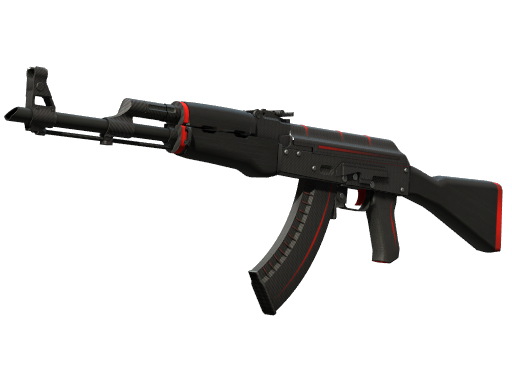
These trends show that CS2 skins profit can be very real – but only when investors understand rarity cycles and market demand.
The Risks of Investing in CS2 Skins
Like all markets, the CS2 economy carries risks:
Market Volatility
CS2 updates, case releases, or Valve interventions can cause sudden price changes.
Overhyped Trends
Some skins rise quickly due to temporary community hype but fall just as fast.
Liquidity Issues
Ultra-expensive items can be difficult to sell because the buyer pool is smaller.
Scams & Security Threats
Fake trade bots and phishing links target investors holding valuable items.
These risks don’t eliminate the potential for successful investment – but they do require caution.
How Smart Traders Invest in CS2 Skins
To invest successfully, traders focus on three core categories:
- Long-Term Store-of-Value Skins
These include rare knives, discontinued skins, or items with historical significance. They generally appreciate steadily over years. - Mid-Range Stable Skins
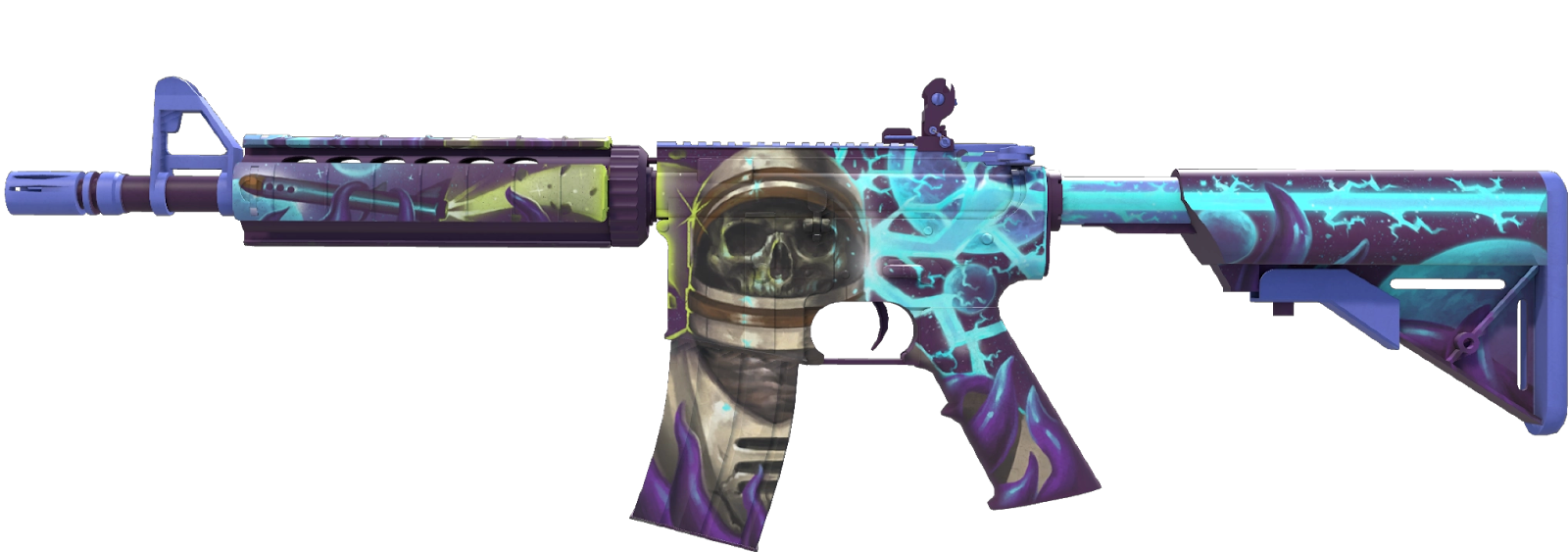
These include popular rifles like the AK-47 | Redline, M4A4 | Desolate Space, or AWP | Atheris. They’re affordable and retain consistent demand. - Speculative “Hype” Skins
New case skins or suddenly trending items may surge in value quickly. However, they’re riskier because the hype may fade.
In all cases, diversification helps reduce overall risk – just as it does with traditional investments.
Why LIS.SKINS Helps Investors Trade More Safely
When dealing with digital assets that can reach thousands of dollars, choosing a trustworthy trading platform matters. This is where LIS.SKINS offers important advantages for players interested in CS2 skin investments, whether they want to buy CS2 skins for long-term growth or diversify their digital portfolio.
LIS.SKINS provides:
- Real-time market pricing, helping investors track value changes accurately
- Instant payouts, giving traders liquidity when they want to sell
- Secure login and trade integrations, reducing scam risks
- A beginner-friendly interface, ideal for new traders learning the market
- Mobile access, enabling trading and monitoring from anywhere
For investors, security and convenience are essential. LIS.SKINS ensures that traders can buy, sell, and manage their items without worrying about fraudulent bots or unreliable marketplaces.
Whether you’re flipping budget skins or holding rare collectibles long-term, LIS.SKINS supports stable and transparent trading experiences.
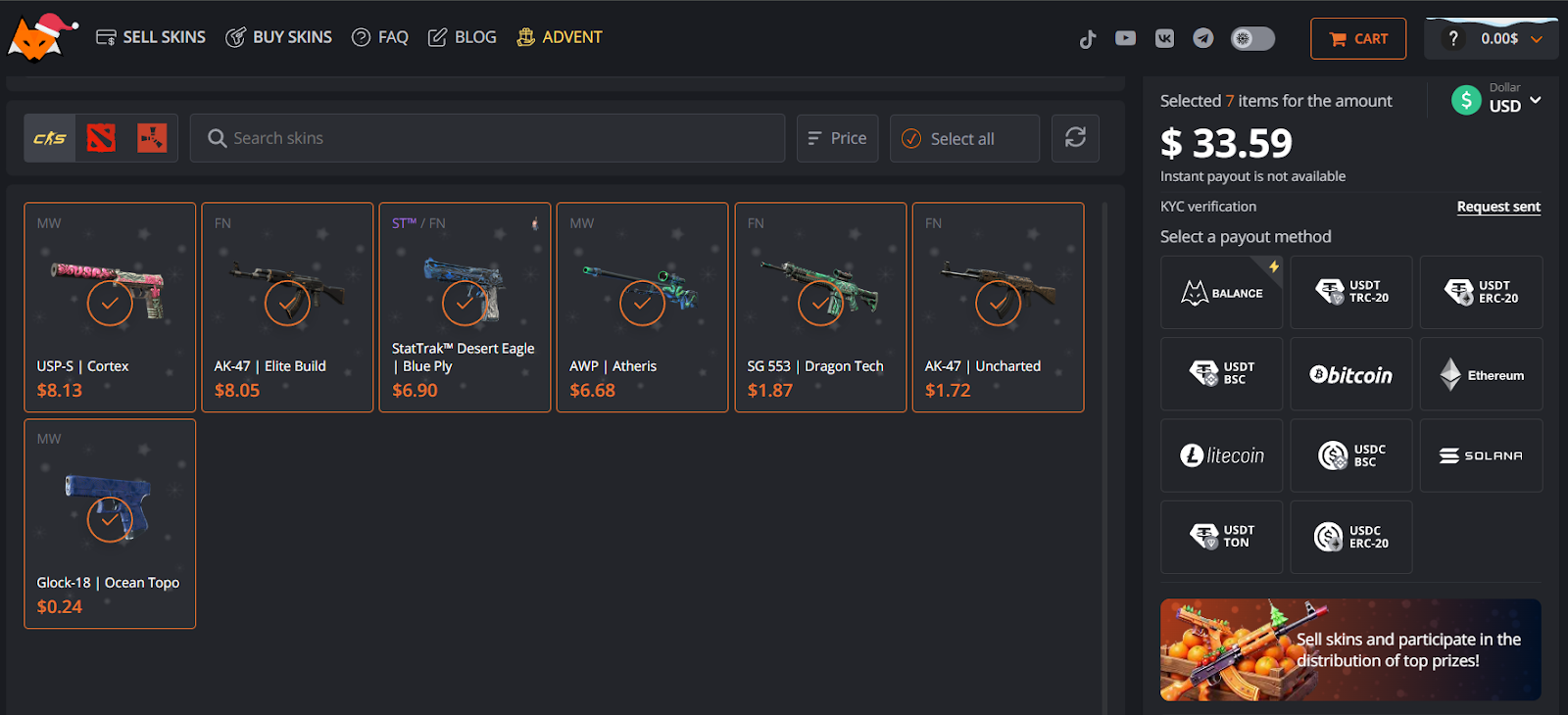
Are CS2 Skins a Good Investment in 2026?
The answer depends on strategy, knowledge, and patience. Here’s what the data suggests:
CS2 skins can be a good investment if you:
- Buy items with long-term scarcity
- Understand pattern and float value rarity
- Follow market cycles
- Use secure platforms like LIS.SKINS
- Treat skins as a speculative asset rather than guaranteed income
CS2 skins are NOT a good investment if you:
- Expect fast, guaranteed profit
- Don’t analyze market trends
- Invest money you can’t afford to lose
- Fall for hype without research
Overall, skins can behave similarly to collectibles or luxury goods: their value depends on rarity, demand, and cultural status. With the right strategy, they can absolutely appreciate in value.