






























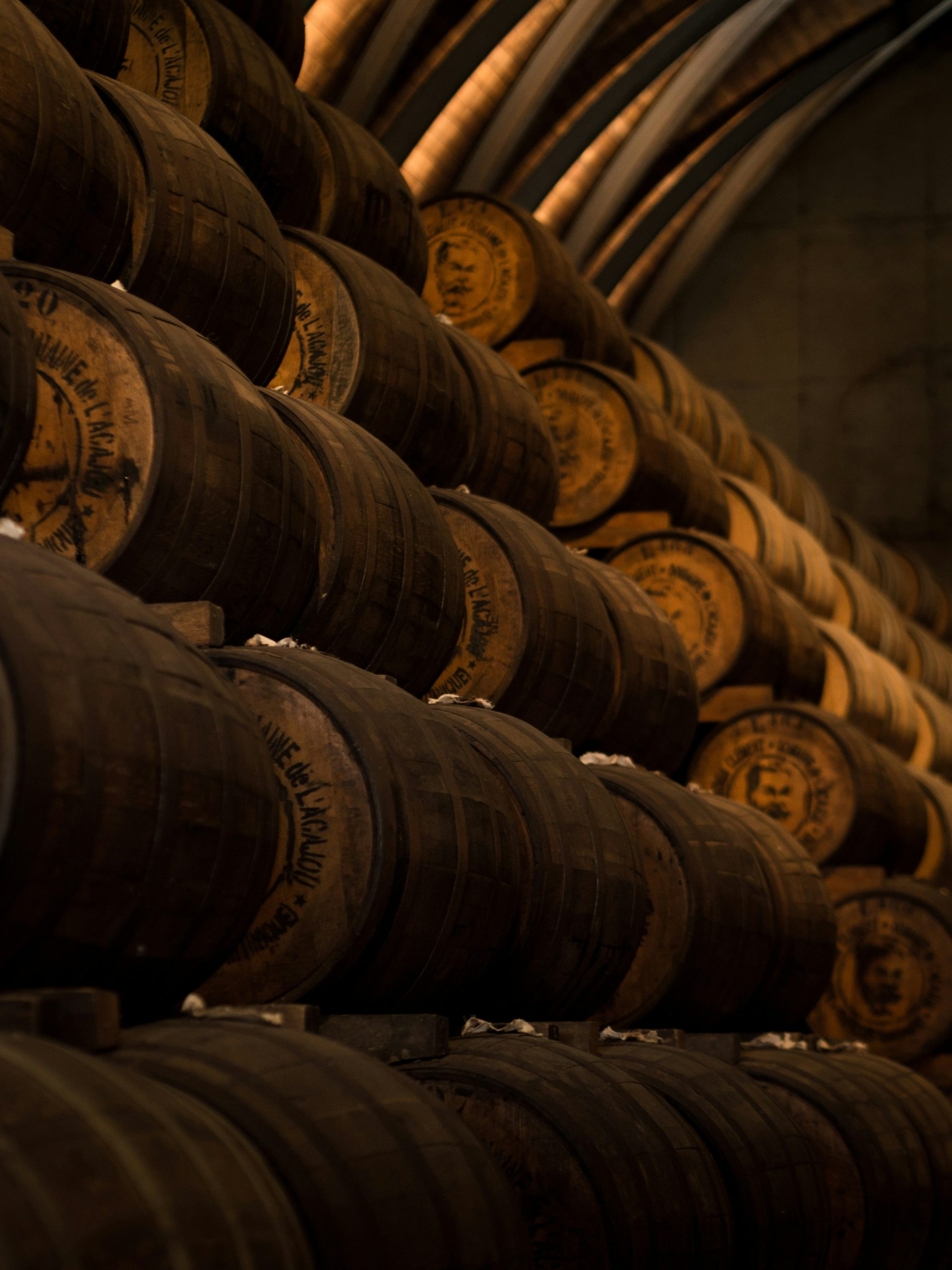
Financial uncertainty can test even the most experienced investors. Market downturns often highlight the fragility of paper assets, prompting many to look toward tangible alternatives that hold value regardless of economic cycles. Hard assets provide control and stability when traditional markets become unpredictable. They represent physical ownership, offering reassurance in times of volatility while maintaining potential for long-term growth.
Market Volatility and the Shift Toward Tangible Investments
Traditional markets have shown how quickly value can evaporate when conditions change. Stocks and bonds can fall together, leaving investors exposed despite diversification. Inflation adds another challenge by eroding the real value of savings and returns. These factors encourage many to consider hard assets as less dependent on financial sentiment. Tangible investments such as metals, collectables, and commodities stand apart from paper markets because they can be physically owned and stored. Their performance is often tied to scarcity, demand, and time rather than corporate earnings or central bank policy.
Investors seeking guidance often use specialist resources such as the cask investment guide. Identifying and assessing tangible opportunities helps investors manage risk and build portfolio resilience.
Join The European Business Briefing
New subscribers this quarter are entered into a draw to win a Rolex Submariner. Join 40,000+ founders, investors and executives who read EBM every day.
SubscribeGold’s Continued Appeal as a Store of Value
Gold has long held a reputation as a stable asset when other markets falter. Its value lies in its limited supply and universal recognition. While it does not yield income, gold’s appeal comes from its enduring demand and its ability to preserve purchasing power over time. Investors can choose between owning physical gold, which removes counterparty risk, or investing through exchange-traded products for liquidity. Each option carries trade-offs related to storage, fees, and convenience. Including gold as a portion of a diversified portfolio can help balance risk exposure when equities or currencies weaken.
Physical Possession and Secure Storage
Owning physical gold involves deciding how and where to store it. Keeping it at home provides direct access but requires robust security and insurance. Professional vault services offer greater protection and ease of liquidation, though at a cost. The decision often depends on personal risk tolerance and the level of oversight an investor prefers. While the logistics of storing gold can appear complex, the reassurance of holding a tangible asset often outweighs the administrative effort. This approach appeals to those who value physical control over their investments.
Rare Whisky Casks as Alternative Assets
Among tangible investments, whisky casks have gained attention for their distinctive qualities. The whisky cask market operates outside mainstream financial cycles, driven by maturation and rarity rather than investor speculation. Each cask’s value increases naturally as the spirit matures, and supply remains limited. This unique dynamic has made whisky cask investment appealing for those exploring alternative assets.
The ageing process cannot be hurried, meaning that cask whisky investment evolves, independent of market volatility. Distilleries can produce only a set quantity each year, maintaining scarcity. As global demand grows, older casks become more valuable. For those considering this route, proper due diligence and documentation are essential. Verifying cask numbers, distillery records, and ownership certificates ensures authenticity and security.
Practical Considerations in Cask Investment
Whisky casks require careful management. They must be stored in bonded warehouses to maintain quality and compliance. Insurance should cover the specific risks associated with the asset, including storage and potential damage. Investors should also understand their exit strategy. While the market for rare casks has expanded, resale opportunities depend on age, distillery reputation, and buyer interest. Before committing, investors should assess their long-term goals and liquidity preferences.
For those who prefer a structured approach, cask investment can provide portfolio diversification alongside other tangible assets. It combines the potential for appreciation with the appeal of owning something physical and historically valued.
The Importance of Due Diligence in Alternative Assets
Proper research is essential when investing in gold, whisky, or other collectables. Documentation verifying authenticity, storage arrangements, and insurance coverage protects investors from unforeseen risks. Unlike traditional securities, tangible assets often operate within specialised markets demanding expertise. Understanding these nuances ensures transparency and confidence throughout the investment process. Investors should work with trusted industry professionals to confirm legitimacy before purchasing.
Liquidity is another factor to consider. Some tangible assets can take longer to sell or may require specialist brokers to connect with the right buyers. Assessing average holding periods and resale markets provides a more accurate picture of potential returns. Informed decision-making allows investors to balance stability with accessibility.
Farmland and Timber as Long-Term Productive Assets
Productive land, including farmland and timber, represents another segment of tangible investment. Unlike gold or whisky, these assets can generate regular income through crops or timber harvests. They tend to retain value over time while offering returns less sensitive to market fluctuations. Factors such as climate, soil quality, and local regulations all influence performance. Although ownership costs and management responsibilities can be high, newer investment platforms have made fractional ownership possible, opening access to a broader range of investors.
These assets appeal to those wanting growth potential and steady cash flow. They can counterbalance more speculative holdings, providing a degree of predictability during economic turbulence.
Building a Balanced Approach to Tangible Investments
Investing in hard assets requires careful allocation and balance. While tangible assets can offer stability, they should complement rather than replace traditional investments. The goal is not to escape financial markets entirely but to strengthen a portfolio’s ability to endure volatility. Combining physical assets with equities or fixed income can smooth out overall performance and reduce exposure to specific risks. Each investor’s tolerance, timeline, and objectives will determine how these elements fit together.
Education remains a key part of the process. Reading expert resources, reviewing case studies, and consulting professionals can help investors make informed choices. Over time, building experience with tangible assets can lead to stronger decision-making and more secure financial outcomes.
Protecting Value Through Informed Investment Choices
Economic uncertainty is unavoidable, but it does not have to dictate investment performance. Tangible assets such as gold, land, and rare whisky casks demonstrate resilience by holding value when financial markets fluctuate. Understanding their characteristics, costs, and storage requirements allows investors to choose wisely. With proper due diligence and realistic expectations, hard assets can provide stability and diversification.
Investors seeking protection from volatility can explore tangible opportunities that offer real, measurable value. Learning about different asset types, storage considerations, and market dynamics provides a foundation for smarter decisions. Diversifying with physical investments can help preserve wealth and create long-term confidence in any economic environment.