



























Navigating the world of crypto trading is a bit like trying to drive a racecar through a thunderstorm—you’re moving fast, but you can’t always see what’s around the next corner. Prices spike, crash, and rebound in the blink of an eye, leaving both beginners and seasoned traders scratching their heads. It’s no wonder many people feel like they’re guessing more than actually strategizing. That’s exactly why the idea of using trading signals has taken off—because in this kind of chaos, having a compass can make all the difference.
Platforms like AI Xovia, which leverage tools such as advanced trade signal systems, are starting to bridge the gap between gut-feeling trades and smart, data-driven strategies. But before we dive into how it all works, let’s break it down from the beginning.
What Are Trade Signals in Crypto?
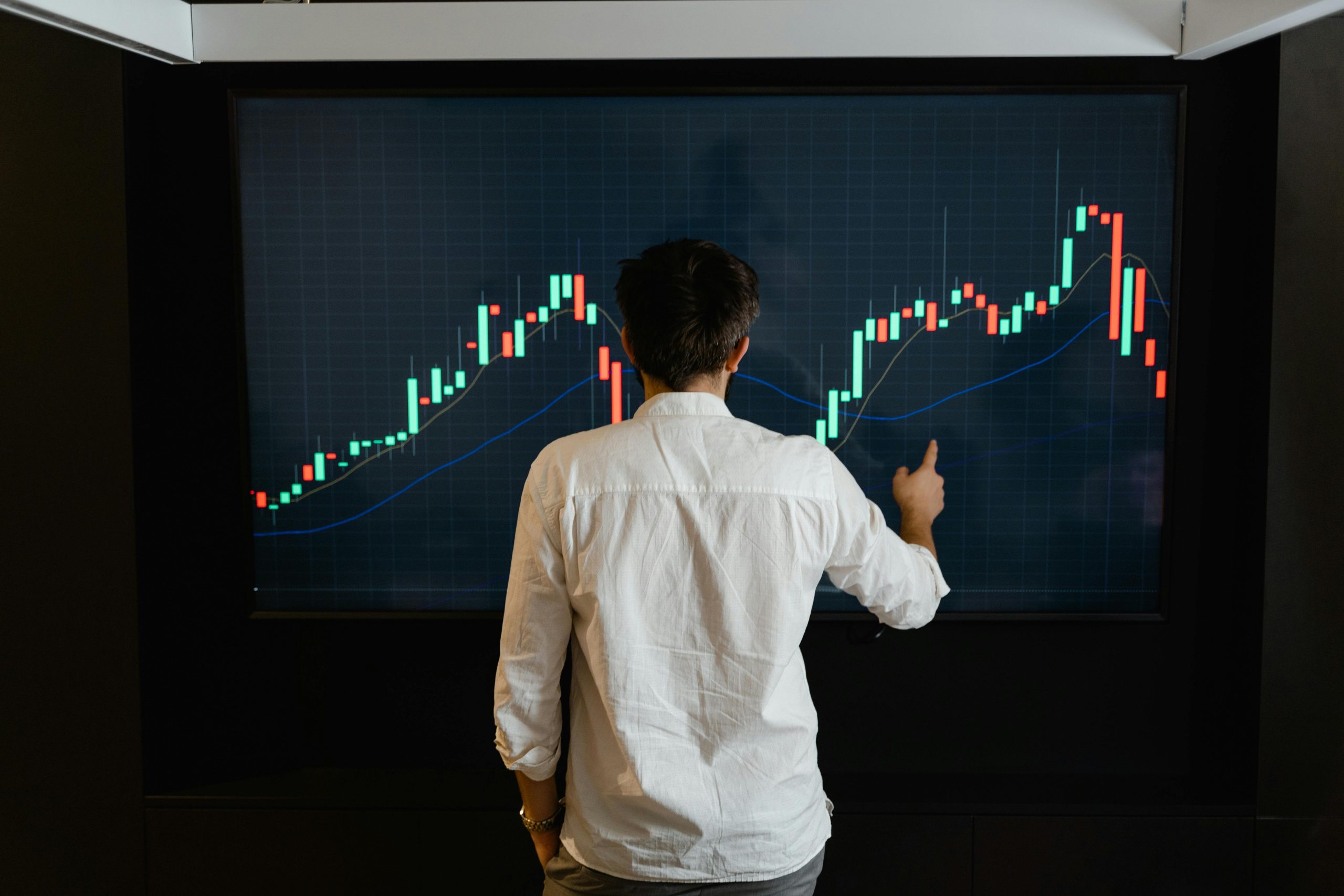
Think of a tradesignal like a friendly tap on the shoulder when you’re deep in a game—it’s a heads-up saying, “Hey, you might want to pay attention now.” These signals, whether cooked up by a sharp-eyed human trader or spit out by a savvy algorithm, are basically suggestions to buy or sell a particular cryptocurrency. They’re based on things like price charts, market trends, trading volume, or even blockchain activity. Of course, no one has a crystal ball, especially in crypto, so signals are more like informed opinions than foolproof plans. Still, they’re a heck of a lot better than flying blind.
Join The European Business Briefing
New subscribers this quarter are entered into a draw to win a Rolex Submariner. Join 40,000+ founders, investors and executives who read EBM every day.
SubscribeThere are two main types:
- Manual Signals: Created by human analysts or traders who study the charts and send alerts.
- Automated Signals: Generated by software or AI that scans the market 24/7 for opportunities.
Good signals often come with additional info like entry points, take-profit levels, stop-losses, and overall market context.
Why Trade Signals Are Becoming Essential
Let’s be real—trying to keep up with the crypto market is like trying to sip water from a firehose. It moves fast, day and night, and even if you’re super plugged in, there’s just no way to catch it all. That’s where trade signals come in handy—they work like a backup set of eyes, scanning the charts while you’re living your life, giving you a heads-up when something important pops off.
- Time-Saving: No need to study dozens of charts every day.
- Risk Management: Many signals come with built-in stop-loss guidance.
- Learning Tool: Following high-quality signals can help traders understand strategy and structure.
Enter: AI and Smarter Signal Systems
This is where things start to level up. The newest wave of trading platforms doesn’t just spit out signals—they’re constantly evolving. These AI-powered tools take in vast amounts of real-time data, like chart patterns, social media sentiment, breaking news, and even past market performance. It’s like having a hyper-aware assistant who never sleeps, digesting everything and feeding you smarter, sharper insights when it matters most.
Imagine a trusty co-pilot who never needs a coffee break, never zones out, and somehow sees every shift in the market before you even blink. That’s what these AI-powered systems offer. Instead of random pings that leave you questioning your next move, the signals begin to feel grounded—almost like a seasoned friend giving you a heads-up with solid reasons behind it.
Real-World Applications of Trade Signals
Let’s say you’re a busy professional who can’t watch the charts all day. You subscribe to a signal system that alerts you via Telegram or email when a coin like ETH hits a certain level with strong momentum. You check the data, see that the signal includes a stop-loss for safety, and decide to enter the trade.
Or maybe you’re a hands-on trader who uses signals to confirm your own analysis. The best systems offer more than just alerts—they offer reasoning, trend explanations, and even backtested models.
Common Mistakes When Using Trade Signals
Trading signals might look like the golden ticket at first glance, but anyone who’s spent time in the crypto trenches knows they’re just a part of the equation. They’re more like an extra lens for clarity than a map to buried treasure. This is where many beginners slip up:
- Blindly following every signal without research
- Ignoring risk parameters
- Overleveraging based on signal confidence
The golden rule? Use signals as part of your broader strategy, not as a crutch.
Final Thoughts: Tools Don’t Replace Strategy—They Enhance It
In the whirlwind pace of crypto trading, being in the right place at the right time can make all the difference. Trade signals—whether algorithmic or human-generated—aren’t magic wands, but in the hands of a smart trader, they’re like headlights on a dark road: they help you see what’s coming and act with purpose.
Platforms today are removing the steep learning curves that once kept casual investors on the sidelines. With user-friendly interfaces and real-time data analysis, even everyday traders can now spot patterns, test strategies, and make informed decisions like seasoned pros. It’s not about replacing instincts—it’s about backing them up with reliable insights. The trading landscape is shifting, and with the right tools, you’re not just participating—you’re competing.