





























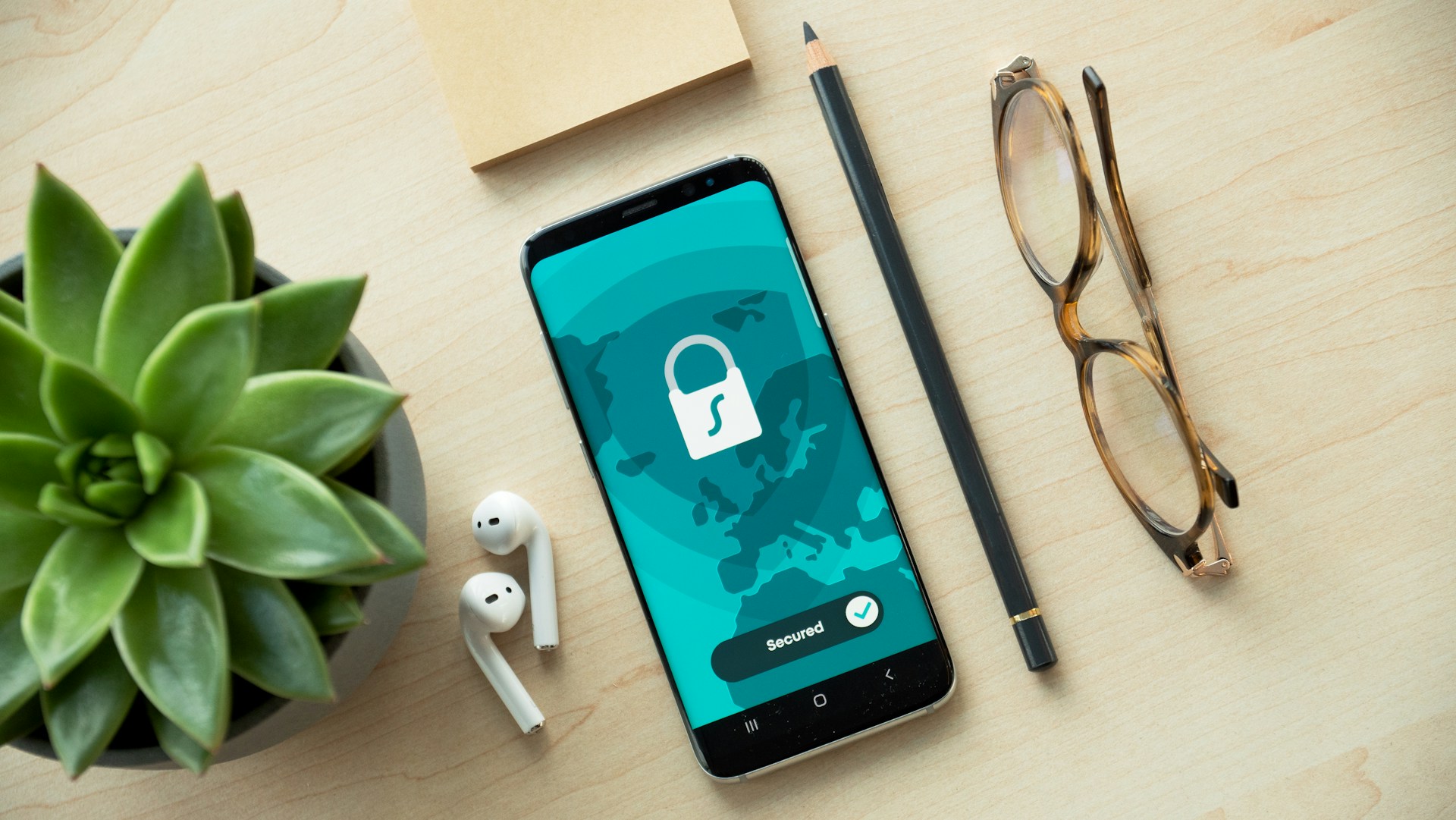
Cybersecurity is something you want to take seriously when it comes to your small business. While funds might be limited on what security processes and practices you can put in place, there’s always something to be done when it comes to improving your cybersecurity strength.
From strong passwords to antivirus software, there are many steps that are worth making use of in order to strengthen your security this year. Here are ten essential steps for small businesses when it comes to cybersecurity practices.
Backup your data
Join The European Business Briefing
New subscribers this quarter are entered into a draw to win a Rolex Submariner. Join 40,000+ founders, investors and executives who read EBM every day.
SubscribeBacking up your data is certainly something that you want to be proactive in doing, especially if you’re looking to prevent the loss of data that might be crucial to have access to. Sometimes, data can be misplaced whether that’s being accidentally deleted or somewhere deep within the server, having been named a completely different file.
There are other times though when data can also become compromised or stolen and in the hands of the wrong people.
Having backups is a great way to ensure you hold the originals of the data and it helps to have the files that might otherwise make for an admin headache. Look at the ways in which you can effectively backup your data and be sure to have multiple options available online, off-site, and physically on a hard drive.
Strengthen passwords
Strengthening your passwords is an important part of improving your business security. It’s highly crucial that all of your employees and yourself included, are using strong passwords and not passwords that are repetitive in the use, or have become easy to crack due to the nature of the password chosen.
Some people will pick passwords that are simple to remember but that can often make their accounts more vulnerable to attack. Try to strengthen passwords through best practices and where possible, password software so that passwords can be saved to software and then automatically added to log in the individual.
That way, there aren’t too many passwords that need to be remembered as a result. Look at ways you could strengthen your current passwords to make them more impenetrable. Two-factor authentication can be helpful too in adding an extra layer to your small business security.
Educate your employees
Education of your employees is a necessary one and it’s important to remember that not every employee is going to have the skilled knowledge or experience when it comes to avoiding cyberattackers and their increasingly sneaky methods of exploitation.
It’s worth investing some budget into the cybersecurity training part of the training offered in general to your staff. Every single member of staff who works online and has access to a computer should be clued up on cybersecurity attackers and their methods.
By following best practices and spotting the signs that come with cybercrime, you’ll be able to relax a little more knowing that you’ve done everything you can as a business to protect and educate your employees online.
Install firewalls
Firewalls are beneficial for protecting your network from cyberattacks. It’s also helpful to prevent any unauthorized access that can come from cyberattacks, making sure you’re doing everything to safeguard your data as a result.
With firewalls, the one you pick should be able to cater to the demand of your servers and network in general. It’s therefore worthwhile to look into all firewall options and to pick one that is going to provide your business with the best security possible.
It’s also important to regularly check your firewalls are operating correctly and that you’re updating them as and when necessary to keep up a strong defense.
Implement antivirus software
Antivirus software is helpful when it comes to protecting your devices across the business. Not just from cybercriminals themselves but from malware and hackers.
This type of software is different from firewalls because it focuses on detecting, blocking, and removing any viruses as well as worms, ransomware, trojans, and spyware. You’re able to implement this software across all your devices, which is handy when you have many employees who are working for the business and likely across multiple devices.
From mobile devices to tablets and desktops, it covers all devices and provides active monitoring to ensure these devices don’t succumb to cyber attacks and viruses that damage or destroy your important data.
Ensure access control is implemented
When it comes to your small business, it’s also important to have some smart technology implemented within your premises. Upon entry and exit to your building, the right access control company is important to protect significant information being stored and protect that sensitive data as best as possible.
It also helps to secure your premises, adding a bit more peace of mind to your employees that they are safe within the workplace.
Assess risks regularly
Risk assessments are important when it comes to protecting your business and when it comes to online risk assessments, these are just as important as the in-person ones.
There are a lot of risks with being online as a business and the bigger footprint and presence you have online, the more of a risk you present as a company.
That’s why it’s important to conduct similar risk assessments when introducing new team members to the online space, new software and platforms, etc. Every decision comes with an element of risk as a business. That’s why it’s important to assess the risk and understand the potential risks that come with being online as a company.
Keep customers well-informed and educated on cybersecurity threats
Customers, like your customers, should be well-informed and educated when it comes to cybersecurity threats. They are just as much in danger from cyber criminals as your employees are, especially if they’re a little more naive or not as aware of cybercrime as others might be.
These are the ones that can become the most vulnerable to a cyberattack of some degree. From phishing attacks to phone scams, it’s good to educate your customers and to ensure they know what dangers are out there. The methods that are sometimes used by these criminals is done so in a way to make it look as if it’s coming from your business.
Educating your customers by telling them what they should and should not expect from business communications can help them avoid falling into a trap.
Monitor your networks
Monitoring your networks is a key one when it comes to improving your small business cybersecurity. A lot of the cyberattacks that happen typically appear on the radar if that radar is being monitored correctly.
As part of your business security and IT teams, networks should be monitored constantly for any signs of unusual behaviors that may indicate a threat is present or has been present.
By monitoring your networks, you can improve the chances of spotting something quickly and hopefully eradicate the danger before it does any damage.
Do software updates where necessary
Finally, any business, it’s likely to have a number of software types that are present throughout the company. From one employee to the next, they may be using multiple software and tools at once. Therefore, it’s important to conduct software updates so that you and your employees are keeping these potential entry points to the business as secure as possible.
By not doing the updates, you’re leaving the software vulnerable and that vulnerability can be easily exploited by cybercriminals.
These essential steps can help improve your chances of avoiding cybercrime and the damage that can come with it.