





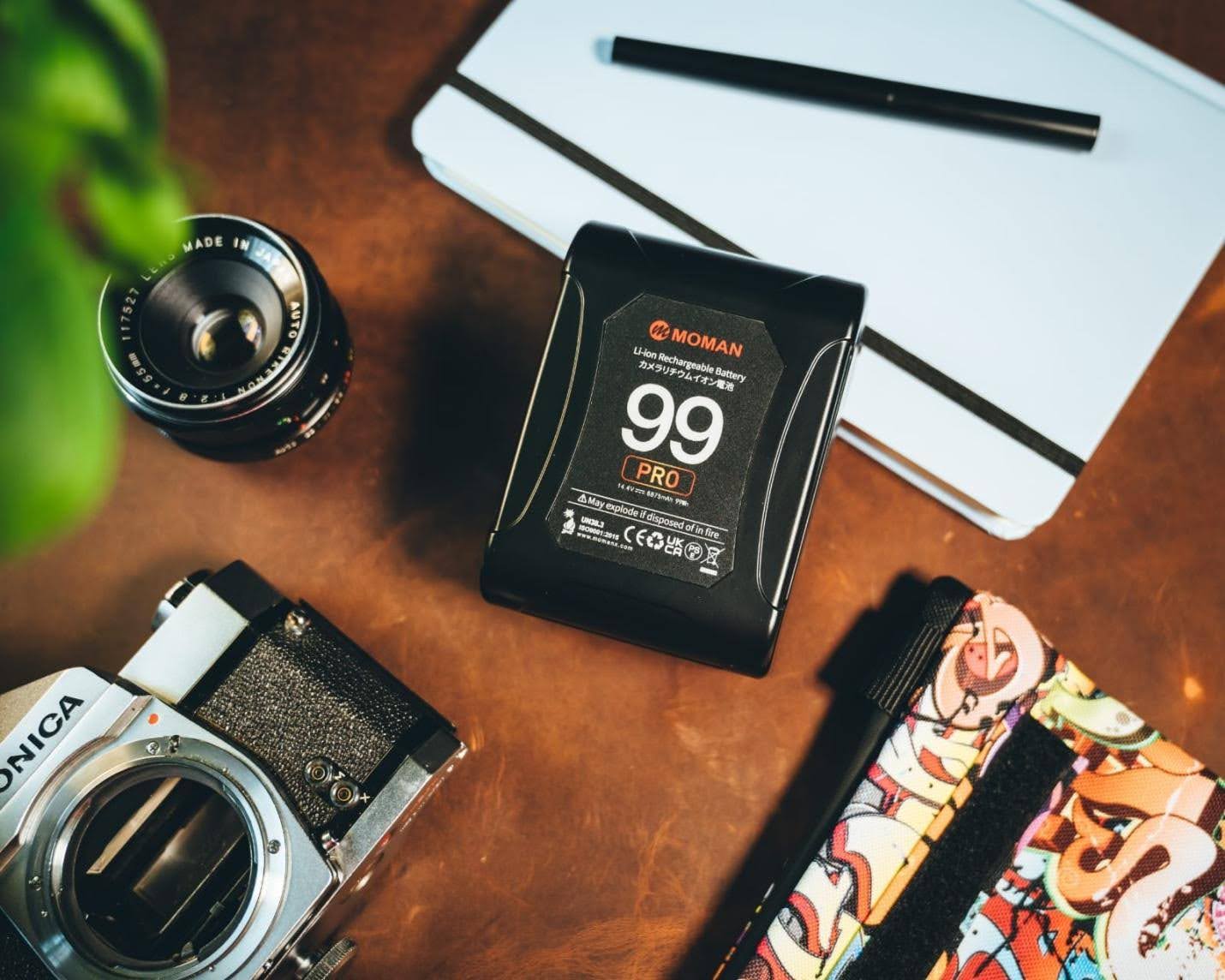
In modern filmmaking and photography, power reliability plays a major role in achieving smooth and uninterrupted production. Whether you are shooting commercials, documentaries, weddings, or YouTube content, choosing the right v mount battery for camera equipment can significantly improve your workflow. These powerful external batteries are designed to provide longer operating times and support multiple accessories at once, making them a favorite choice among professional videographers and cinematographers.
Unlike standard DSLR or mirrorless camera batteries, V mount systems offer high-capacity power solutions that can run cameras, monitors, wireless transmitters, LED lights, and other accessories simultaneously. As video production demands continue to grow, more creators are turning toward dependable battery for v mount camera systems to ensure their gear stays powered throughout long shooting sessions.
What Is a V Mount Battery for Camera?
Join The European Business Briefing
New subscribers this quarter are entered into a draw to win a Rolex Submariner. Join 40,000+ founders, investors and executives who read EBM every day.
SubscribeA V mount battery for camera is a rechargeable lithium-ion battery designed with a V-shaped locking system that securely attaches to compatible battery plates and camera rigs. These batteries are commonly used in cinema production because of their durability, portability, and ability to provide consistent power for extended periods.
Most V mount batteries come with multiple output ports such as D-Tap, USB, and DC outputs, allowing filmmakers to power several devices from a single battery source. This versatility makes them ideal for professional camera setups that require dependable energy on demanding shoots.
Benefits of Using a V Mount Battery for Camera Equipment
- Extended Battery Life
One of the biggest advantages of using a V mount battery for camera setups is the long-lasting power supply. Traditional camera batteries may only last an hour or two during continuous video recording, while V mount batteries can power your gear for several hours depending on the capacity.
This is especially useful for:
- Long interviews
- Outdoor filmmaking
- Event videography
- Documentary production
- Live streaming setups
With fewer battery swaps, creators can focus more on shooting and less on managing power.
- Power Multiple Devices
Professional video rigs often include external monitors, microphones, wireless systems, and LED lights. A high-capacity battery for v mount camera systems can power all these accessories simultaneously using multiple output ports.
Instead of carrying separate batteries for each device, filmmakers can streamline their setup using a single V mount solution.
- Improved Workflow Efficiency
Changing small batteries repeatedly during production can interrupt the creative process. V mount batteries help reduce downtime and improve efficiency on set. Many filmmakers also use hot-swappable battery plates, allowing them to replace batteries without shutting down the camera system.
This feature becomes extremely valuable during live productions or important shoots where interruptions are unacceptable.
- Better Rig Balance
V mount batteries are often attached to the rear of camera rigs, helping improve weight distribution and overall balance. This can make handheld shooting more comfortable, especially when using heavier cinema lenses or accessories.
How to Connect V Mount Battery to Camera
Many beginners wonder how to connect v mount battery to camera systems correctly. The process is usually simple, but it depends on the camera model and rig configuration.
Here is a basic step-by-step guide:
Step 1: Use a V Mount Battery Plate
First, attach a V mount battery plate to your camera rig or cage. The plate acts as the connection point between the battery and the camera.
Step 2: Choose the Correct Power Cable
Different cameras require different power inputs. Some cameras use DC barrel connectors, while others use dummy battery adapters. Always check your camera’s voltage requirements before connecting power.
Step 3: Attach the Battery
Slide the V mount battery onto the battery plate until it locks securely into place. The V-shaped mount ensures a stable and secure connection.
Step 4: Connect the Cable
Plug the power cable from the battery plate into your camera’s power input or dummy battery adapter.
Step 5: Turn On the System
Once everything is connected properly, power on the battery and then switch on your camera.
Understanding how to connect v mount battery to camera systems safely is important because incorrect voltage or poor-quality cables can damage equipment.
Choosing the Right Battery for V Mount Camera Systems
When selecting a battery for v mount camera rigs, there are several factors to consider:
Capacity
Battery capacity is measured in watt-hours (Wh). Larger capacities provide longer runtimes but are also heavier.
- 99Wh V mount battery is ideal for travel and compact rigs
- 150Wh battery work well for full-day productions
- 190Wh+ battery is great for cinema cameras and extensive setups
Output Options
Look for batteries with multiple outputs such as:
- D-Tap
- USB-C
- USB-A
- DC output
These ports increase compatibility with various accessories.
Build Quality
Reliable brands offer better protection against overheating, short circuits, and overcharging. Investing in quality batteries improves safety and performance.
Portability
If you travel frequently for shoots, choose lightweight batteries that comply with airline carry-on regulations.
Final Thoughts
A professional v mount battery for camera setup can completely transform the way filmmakers and content creators manage power during production. From extended runtimes to powering multiple accessories, these batteries provide flexibility and reliability for demanding shoots.
Whether you are learning how to connect v mount battery to camera systems or searching for the best 99Wh V mount battery setups, investing in a high-quality V mount solution is a smart decision for anyone serious about video production. As camera technology evolves and productions become more complex, dependable power systems will remain an essential part of every professional filmmaking kit.


