





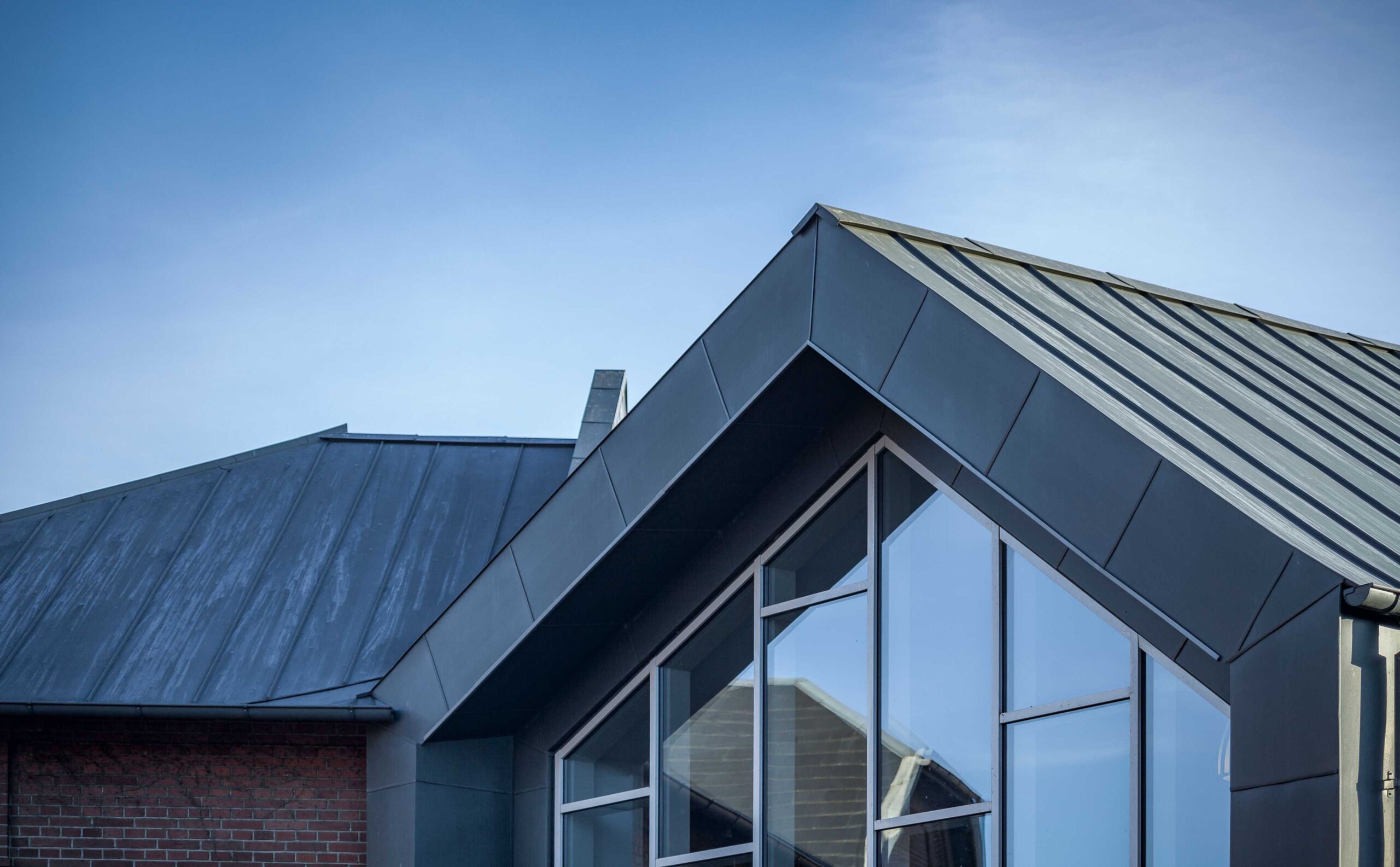
For builders and contractors, timing matters. Aluminium cladding needs a sound surface behind it, accurate fixing points and proper coordination with insulation, openings and weatherproofing details. If it is installed too early, the surrounding work may not be ready. If it is installed too late, it can delay other parts of the programme. That is why experienced contractors plan cladding installation carefully as part of the full construction sequence.
Aluminium Cladding Is Usually Installed After The Main Structure Is Complete
In most new-build projects, aluminium cladding is installed after the structural frame and external wall backing have been completed. The reason is simple. Cladding needs a stable base. It is not there to hold the building up. Instead, it sits on top of the structure and forms part of the outer protective layer.
This means builders normally wait until the main shell of the building is ready before moving on to cladding work. If the wall structure is still changing, the fixings may not line up properly and the finished panels may not sit straight. Even small errors at this stage can affect the final appearance.
Join The European Business Briefing
New subscribers this quarter are entered into a draw to win a Rolex Submariner. Join 40,000+ founders, investors and executives who read EBM every day.
SubscribeThis is especially important on commercial buildings, apartment blocks, schools and public buildings, where aluminium cladding is often used to create a clean modern finish. In these projects, accuracy is everything. A well-installed cladding system should look sharp, perform well and fit neatly with the rest of the façade.
The Wall Build-Up Needs To Be Ready First
Before aluminium cladding can be fitted, the layers behind it need to be in place. These often include sheathing boards, membranes, insulation and the supporting structure that holds the cladding rails or brackets. Contractors need to know that the wall behind the panels has been built correctly before they start installing the outer finish.
This part of the process is often overlooked by people outside the trade because it sits behind the visible surface. Still, it is one of the most important stages. If the backing wall is uneven, damaged or not properly prepared, the cladding system may not perform as it should. It can affect everything from weather resistance to long-term durability.
This is why aluminium cladding is usually installed only when the invisible parts of the wall have already been checked and signed off. The finished panels may be the part everyone sees, but the performance of the system depends heavily on what sits behind them.
Insulation And Support Systems Must Be In Place
Aluminium cladding is often used as part of a ventilated rainscreen system. In these systems, the cladding panels sit in front of the wall rather than being fixed directly against it. This creates a cavity and allows the wall build-up to manage moisture more effectively. Because of that, the insulation, brackets, rails and cavity details all need to be in place before the panels are fitted.
Builders and contractors do not install aluminium cladding first and work everything else out later. It needs to be part of a planned sequence. The support system has to be fixed accurately. The insulation must be fitted correctly. The cavity needs to be allowed for. If any of those parts are rushed or installed badly, the cladding may still look fine from a distance, but problems can show up over time.
This is one of the main reasons why cladding installation is seen as a specialist stage. It is not just about fixing panels to a wall. It is about building a system that works together.
Openings And Façade Details Need To Be Coordinated
Another key point is that cladding must work around windows, doors, corners and other openings. These details can affect how the whole system performs. If a contractor installs aluminium cladding before these areas have been fully planned, there is a risk of poor alignment, awkward finishes or extra work later.
For example, window reveals need to be finished neatly. Door openings must be correctly detailed. Service penetrations may need trims or flashings. These are not minor finishing touches. They are essential parts of the installation process.
That is why contractors often wait until these interface details are confirmed before fitting the final cladding panels. It helps avoid mistakes and makes sure the building looks clean and professional when complete. It also supports weather resistance and long-term performance.
Aluminium Cladding Is Common In New Build And Refurbishment Projects
Builders and contractors install aluminium cladding in both new construction and refurbishment work. In new-build developments, it is usually part of the original design and forms part of the wider façade strategy. In refurbishment projects, it may be used to update the appearance of an older building, improve the external wall system or replace outdated materials.
The timing can be different depending on the type of project. On a new build, the sequence is often more controlled because everything is being built from scratch. On a refurbishment, there may be more unknowns. Existing walls might need repairs. Openings may need to be adjusted. There may be older materials to remove before the new cladding can go on.
Because of this, aluminium cladding often takes longer to reach the installation stage on refurbishment jobs. More preparation is usually needed. Still, the principle remains the same. The cladding should only be installed when the structure behind it is ready and the support system can be fixed correctly.
It Is Part Of The Envelope Stage, Not Just A Final Finish
A common misunderstanding is that cladding is one of the very last things added to a building. In reality, it is usually installed during the envelope stage. This is the phase where the building starts becoming weather resistant and begins to take on its finished external form.
That makes aluminium cladding more than a decorative feature. It plays a role in protecting the building and helping it perform properly. It also affects other trades. Once cladding starts, there needs to be good coordination with scaffold access, façade works, glazing and site logistics.
This is why contractors treat cladding as part of the wider build programme, not just a cosmetic layer. It has a practical role, and it needs to be installed at the right point to avoid delays and defects.
Why Timing Matters So Much
The timing of aluminium cladding installation matters because it affects both quality and performance. If the wall is not ready, the panels may not sit correctly. If the openings are not coordinated, the details can look rushed. If the support system has not been fixed accurately, the finished result may not last as well as it should.
Good timing also helps with cost control. Rework is expensive. Delays are frustrating. When cladding is installed at the right stage, there is less risk of panels needing to come off again to fix something behind them. That saves time and helps the project stay on track.
For clients, this means a better-quality finish and fewer problems after completion. For contractors, it means a smoother installation process and a stronger final result.
If you want to learn more about broader construction processes or external facades, it helps to understand how cladding fits into the full build programme rather than seeing it as a simple surface finish.
Conclusion
So, when do builders and contractors install aluminium cladding? Usually once the main structure is complete, the wall build-up is prepared, the support system is in place and the key façade details are ready to be finished properly. It is generally installed during the envelope stage of a project, when the building is ready for its outer protective layer but before final completion.
That timing is important because aluminium cladding needs more than a clear wall and a delivery of panels. It needs planning, coordination and proper preparation. When installed at the right stage, it helps create a building that looks smart, performs well and stands up to everyday use for years to come.


