


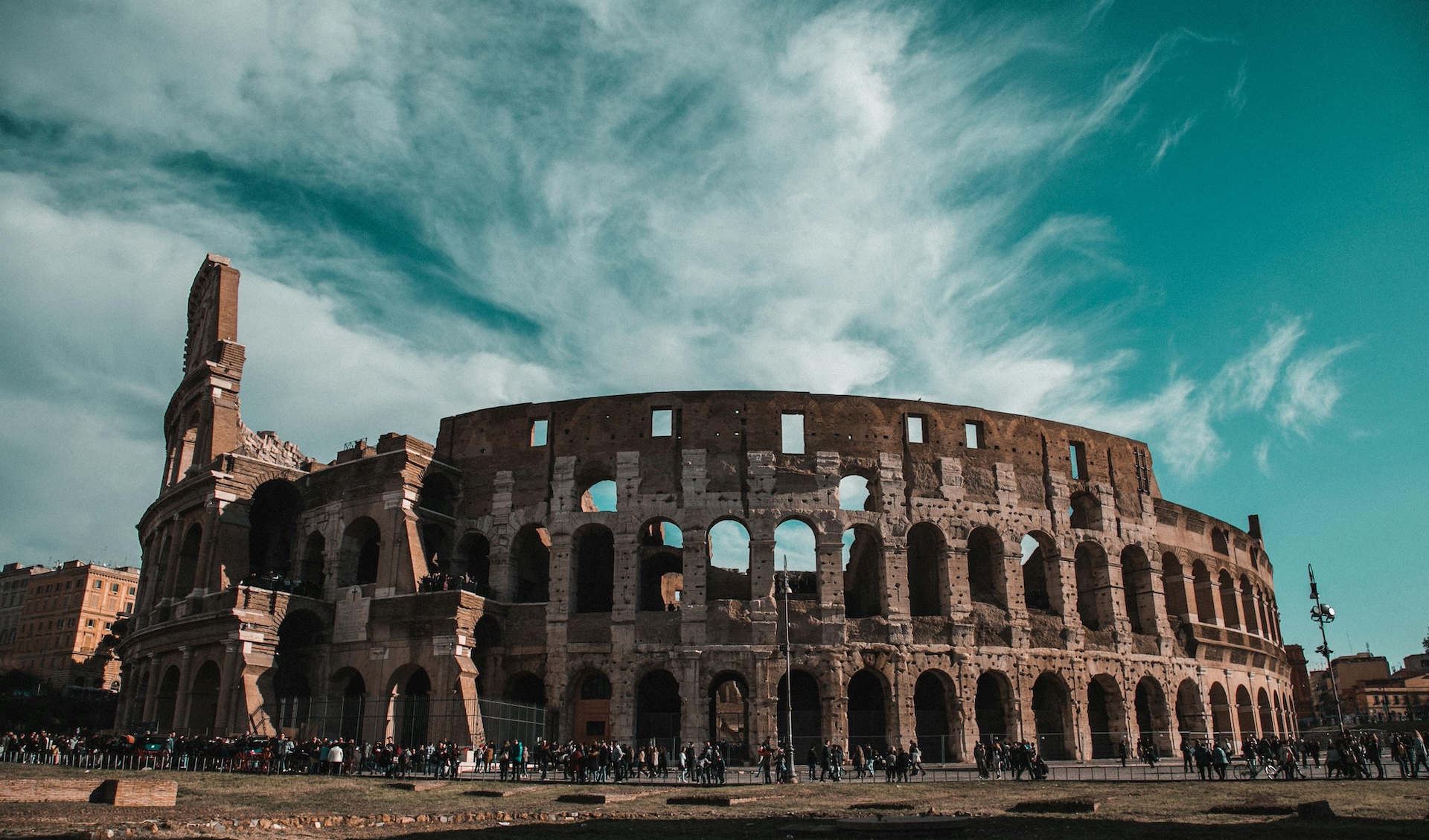
Italy isn’t just for holidays anymore. It has actually become a very practical spot for anyone who needs to keep a business running while travelling. The internet speeds have caught up with the rest of Europe, and the local café culture works well for quick tasks. Professional travellers find that the trains are on time more often than not, and getting from a meeting in Milan down to a quieter coastal town is straightforward. It is less about the postcard views and more about how the daily routine just fits. It is a solid choice for a remote office setup.
Connectivity and the Growth of Digital Infrastructure
The shift towards fibre-optic broadband has been massive in the larger cities. In Rome or Milan, professionals aren’t going to struggle with video calls. Even in smaller, rural spots, the 5G signal is usually strong enough to hotspot from a phone if the local Wi-Fi acts up. Most modern apartments now include a decent router as a standard feature because landlords know that remote workers are their main market these days. It’s a functional change that makes a big difference to the workday.
Co-working hubs are also more common. These can be found dotted around cities and offer desks, Wi-Fi and printers. This setup helps separate work from the living space, which is often needed. The government has also introduced a digital nomad visa, which simplifies the paperwork if the plan is to stay for a long while in Italy next year.
Suitable Accommodation Options for Productive Longer Stays
Deciding where to stay often depends on how much quiet time is required. For those who need space and a proper kitchen such as whole teams, premium villas in Sicily are a good bet. They offer enough room to set up a dedicated workspace without feeling cramped, and the gardens provide a decent spot for a break between emails. The connection is usually reliable, though it’s always worth checking with the owner first. Having a private pool or a terrace doesn’t hurt when the sun starts to set after a long shift at the desk.
Working in Sicily also has the advantage of feeling like time off without actually stopping work. Outside of office hours, the island offers enough variety to make longer stays feel balanced rather than repetitive. Coastal towns, smaller inland villages, and historic cities are all within easy reach, which makes short trips after work or at weekends straightforward. The food is consistently good, meals tend to be unhurried, and there is a general acceptance that life does not need to be rushed. That slower rhythm can make it easier to maintain focus during working hours, knowing there is something worth stepping away for once the laptop is closed.
Social Dynamics and the Benefits of Local Integration
Networking in Italy happens mostly by accident. A person might be standing at a bar for a morning coffee and end up chatting with someone who runs a local tech firm. The social life is built around these small, frequent interactions. It’s a very open culture where people are happy to share advice on local services or the best places to find a quiet desk for the afternoon. This makes the transition into a new city feel a lot less isolating than elsewhere.
Evening routines often involve heading to the main square. It isn’t just for tourists; locals gather there to catch up. Joining in on this helps someone feel like part of the community rather than just a visitor. There are also plenty of meet-up groups for expats and remote workers that organise talks or casual drinks. It’s an easy way to build a professional network quite quickly now.
Regional Transport Networks and Efficient Business Travel
The rail system is the backbone of business travel here. The high-speed lines are efficient and much more comfortable than flying. A traveller can get from Bologna to Florence in under forty minutes, which is ideal if there is a morning meeting and the desk beckons by lunch. The carriages are quiet, and the tables are large enough for a laptop and a notebook. It’s a reliable way to get around without the stress of driving in heavy city traffic easily.
When there is some downtime, joining Florence small group tours is a smart way to see the city’s landmarks without the hassle of navigating crowds alone. These tours are often focused on history or architecture and provide a bit of mental stimulation away from spreadsheets. It’s also a chance to meet people who are doing exactly the same thing. The transport links make these excursions feel very easy.
Gaining the Right Visas and Travel Logistics
Navigating the legal requirements for a longer stay has become more defined with the introduction of the digital nomad visa. For non-EU citizens, including those from the UK, this route requires proof of an annual income of at least €28,000 and a university degree or equivalent professional experience. Applicants must also provide evidence of valid health insurance and a formal rental agreement. The process usually begins at the Italian consulate in the home country. Once in Italy, it is mandatory to apply for a residence permit at a local post office within eight days.
Business travellers on shorter trips for meetings or conferences generally operate under the 90-day Schengen rules. No specific visa is required for these short stays, but carrying an invitation letter from an Italian company is often recommended. Logistics like obtaining a Codice Fiscale, the Italian tax code, are also worth handling early. This unique identifier is essential for everything from signing a phone contract to renting a long-term apartment.
Is there a more practical place to set up a mobile office while staying productive?
The country has managed to modernise its infrastructure while keeping the aspects of life that make it a pleasant place to live. It is a straightforward destination for business travellers who need reliability and a bit of variety in their surroundings. Between the fast trains and the growing number of co-working spaces, the logistics are easy to handle. Italy offers a realistic balance for anyone who wants to work hard and then step outside into a community that values a slower pace after hours daily.


