





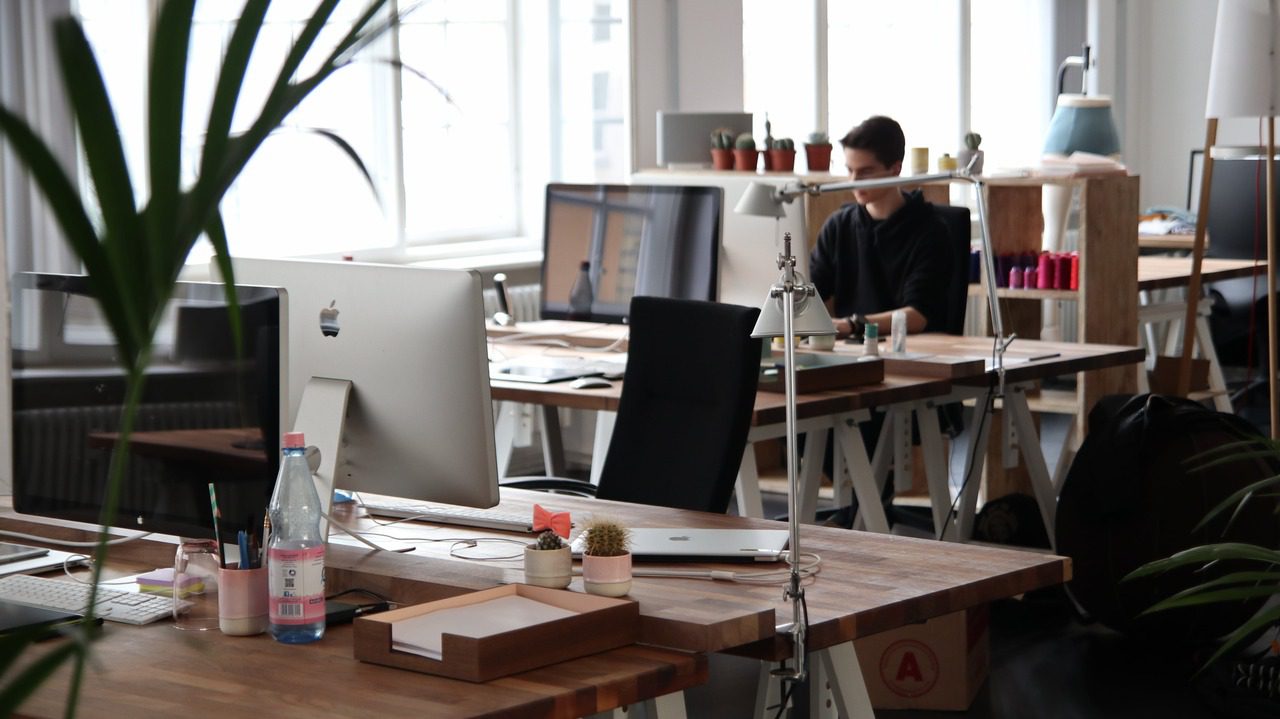
Both businesses and employees have had to do a lot of thinking about how and where they work since lockdowns. It wasn’t much of a consideration before, but now we are faced with two opposing views: those who want to WFH and those who think office working is more productive.
This has led us to the notion of hybrid models, which offer a compromise between the two environments. However, the effectiveness of this approach is contingent upon the seamless integration of strategies that address the inherent challenges it presents. Here, we explore three ways to enhance the hybrid working experience.
1. Strategic Office Design for Hybrid Collaboration
Hybrid working thrives in spaces that support both in-person and remote collaboration. Designing offices with hybrid-friendly zones—such as tech-equipped meeting rooms that facilitate video conferencing and collaborative spaces that are comfortable for both physical and virtual presence—can bridge the gap between remote and in-office team members.
Join The European Business Briefing
New subscribers this quarter are entered into a draw to win a Rolex Submariner. Join 40,000+ founders, investors and executives who read EBM every day.
SubscribeIncorporating soundproof booths for private calls and quiet areas for focused work can also enhance productivity. This approach ensures that whether employees are in the office or working from afar, they have equal opportunities to contribute.
It will also have to be the case that employees receive all the resources necessary for WFH, which means a laptop, VPN, and relevant security training.
2. Utilising a Desk Booking System
A practical tool that significantly improves the hybrid working model is a desk booking system. Such systems streamline the process of managing office space in a fairly unique way. These systems allow employees to reserve workspaces in advance, even in their own office, which helps guarantee that they have a suitable place to work when they decide to come to the office.
This may sound odd at first, but office underutilisation is a big problem in hybrid environments. The flexibility to book desks and meeting rooms as and when they are needed means that you do not need to rent an office quite as big. Though, this will need careful planning if you expect some days to have high utilisation.
An effective desk booking system should integrate with existing office calendars, perhaps the ERP itself, and have real-time visibility into what spaces are available. This lets employees plan their office days more effectively.
3. Fostering a Culture of Trust and Flexibility
A hybrid-first company culture prioritises flexibility, communication, and inclusivity, regardless of an employee’s location. This involves establishing clear protocols for communication, and ensuring that meetings are accessible to both remote and in-office staff. The risk of hybrid working is that we take too much of a WFH approach, and this leaves us underutilising cultural potential in the office.
Training leaders to manage teams effectively and encouraging regular check-ins can help maintain team cohesion. It needs to not feel like a constant battle of workers wanting more days at home, and the company dragging them in. Instead of framing it as a convoluted compromise, hybrid-first working needs to be the company’s identity.
In conclusion, enhancing the hybrid working model requires a comprehensive approach that combines technology and bespoke solutions with cultural shifts. Such approaches are still in their infancy, meaning they can be iterated on as if it’s an area of innovation. However, employees value stability, meaning they shouldn’t be treated as guinea pigs.


