


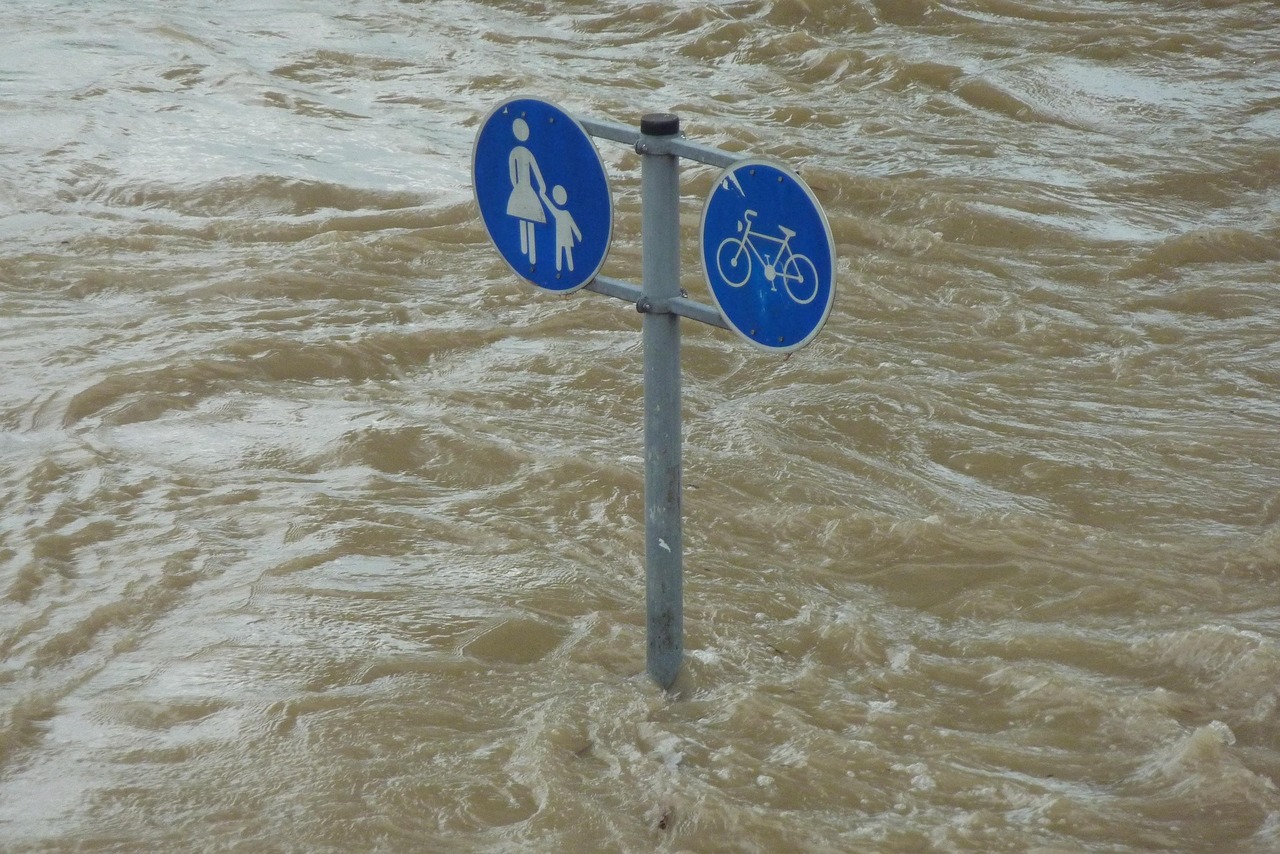
The changing climate isn’t just a threat for future agriculture and sea levels, it’s having an immediate impact on events today. This week alone we have seen Storm Chandra wreak havoc in the UK, closing many businesses down in the process.
The issues are no longer confined to historical floodplains either, as the extreme moments of rainfall are increasingly hitting urban centres and industrial hubs that were previously marked as safe. For all businesses, the risk of flooding isn’t just about protecting the physical damage to a building with a flood barrier but factoring in the operational, financial, and reputational challenges.
The scale of disruption
It’s not just sea levels that are rising, but the risk of flooding in general. All around the world this risk has been driven by both the increased frequency of storms and the rising value of assets. When a facility is hit, the costs include the repair of structural damage, the replacement of damaged inventory and electrical systems. But these costs are often actually dwarfed by the hidden ones that come from business interruption – a big one being revenue losses during downtime and the cost of (often temporary) relocation. This financial strain then triggers a secondary disaster where insurance premiums for the affected region skyrocket, effectively pricing smaller enterprises out of future coverage. In the end, it creates insurance deserts, even if that area isn’t particularly likely to get hit again.
Join The European Business Briefing
New subscribers this quarter are entered into a draw to win a Rolex Submariner. Join 40,000+ founders, investors and executives who read EBM every day.
SubscribeThe scale of this issue is reflected quite clearly in global insurance and economic reports. Data shows that extreme weather events like wildfires and floods caused billion-dollar economic loss in Asia-Pacific just in Q1 of 2025. The UK’s latest government data shows that 6.3 million properties in England are now at risk of flooding, and many businesses operate within these areas due to mixed zoning. Flood preparedness is no longer optional, no matter where the business is.
Operational vulnerabilities
Flooding can hit the heart of supply chain logistics. Even if a business’s headquarters remains dry, a flood will sometimes impact a key supplier or a transport link that brings operations to a standstill. Just-in-time manufacturing processes are what’s particularly susceptible to these disruptions, with a single closure of a shipping port can cause a ripple effect that delays production schedules for weeks. Businesses often find that their geographic diversification strategies are rendered moot if their Tier 2 and Tier 3 suppliers are concentrated in the same vulnerable basin.
The loss of digital infrastructure is also something often overlooked. Many businesses house local servers or telecommunications hardware in basements or ground-floor utility rooms. Water in these areas can lead to huge data loss and prolonged IT outages, meaning staff cannot work remotely. It could also be that the local ISP or 5G mast has gone down, so backup communication like Starlink might be increasingly considered in risk mitigation.
Proactive strategies for flood mitigation
To mitigate these risks, businesses need to move away from reactive mop-up mentalities, or outright disregard because they’re in a low risk area, and move towards more proactive resilience. This always starts with a comprehensive flood risk assessment to identify specific points of entry for water, such as loading bays, pedestrian doors, air bricks, and so on. Once the vulnerabilities are found, the implementation of physical defences becomes the main line of protection. The likelihood of such a flood is almost irrelevant here as nothing is off the table with these weather changes.
Mitigation means a combo of permanent and temporary solutions. Water ingress during flash flood events can be helped by flood barriers sold by the likes of Seton, as these can be assembled by a single person without the need for permanent fixings. Such self-anchoring systems use the weight of the floodwater itself to create a seal against the ground, making them a very flexible and scalable solution for protecting perimeter walls and entry points.
Investing in highly rapid and deployable systems gives a psychological benefit by empowering staff with a tangible sense of agency. This can reduce anxiety during bad weather or in high-risk areas.
In fact, the human element of flood risk is often overlooked in economic modelling. Flooding poses a safety risk to employees, so there needs to be:
- Clear evacuation protocols and designated safe zones.
- The provision of appropriate personal protective equipment for emergency response.
- Regular safety drills.
It’s worth remembering that long-term brand goodwill is on the line. While it’s less common for the public to concern themselves with a lack of flood preparedness, they will look down on lengthy downtime, especially if nearby businesses recover faster.
Flood risk management should be integrated into the broader business continuity plan. This means regular training, maintaining an off-site backup of data, and establishing redundant supply chain routes. A resilient business is one that knows the changing environment means previous risk assessments are no longer as relevant.


