





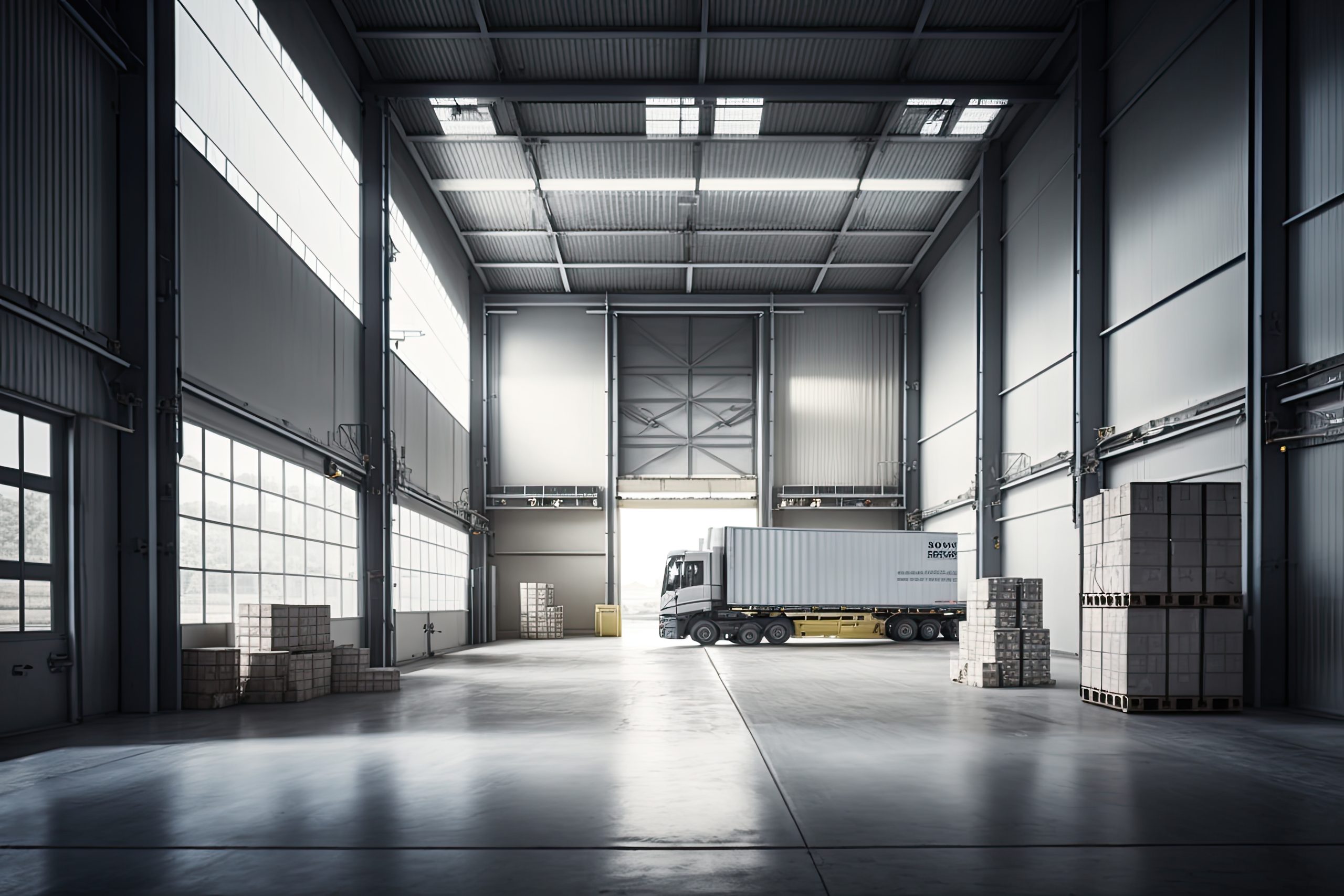
For a manufacturing industry warehouse, the need for the appropriate storage systems cannot be overemphasized if efficiency and productivity are to be the main objectives achieved. This talking draft will help the warehouse managers and business house owners to choose the perfect storage solutions for their locations.
Evaluating Warehouse Needs
Before purchasing a storage machine, it is very crucial to first find out the specific warehouse needs. This might be:
- The type of products to be stored
- How frequent the same items have to be accessed
- The amount of space available on the floor and the ceiling
- The currently and prospective inventory level
- The handling machines large loads
Common Types of Industrial Storage Systems
These are a few of the kinds of storage systems:`The storage systems introduce warehouse storage solutions that can be classified as follows:
Join The European Business Briefing
New subscribers this quarter are entered into a draw to win a Rolex Submariner. Join 40,000+ founders, investors and executives who read EBM every day.
Subscribe1. Pallet Racking
Pallet racking happens to be one of the most efficient methods for storage. High-density storage is allowed due to the fact that it enables easy access to the palletized goods. There are Selective, Drive-In, Push-Back, and Pallet Flow Racks, to mention but a few, the same are used for various purposes besides the storage.
2. Shelving Units
Shelving is for storage of several small items or boxes, apart from the palletized ones. It allows for restructuring to accommodate changing needs.
3. Mezzanines
Mezzanine floors utilize the space that is vertical in order to provide more floors thus creating more space in the area they are established. They are important in high-ceiling warehouses and have several uses. These applications are not limited to storage or manufacturing alone, but offices as well.
4. Automated Storage and Retrieval Systems (AS/RS)
Out of the measures for safe operation of storage facilities, one should have proper storage equipment and handling systems that match the kinds and volume of handled products, and labor skills as they are required. Choosing reliable equipment from a trusted supplier like Verdex, for instance, ensures that your facility is outfitted with industrial-grade solutions that meet rigorous safety standards. This can protect the inventory as well as the workforce from workplace hazards, fostering a more secure and efficient environment.
Factors to Consider When Choosing Storage Systems
In selecting the right storage system, warehouse managers need to consider the following factors.
1. Space Utilization
The system you will choose shall be one that uses all the available square footage efficiently and includes all levels both at the bottom part and at the top part of the warehouse.
2. Accessibility
The system which gives the items fast and slow movers with equal access to the items as necessary. Moreover, your company should employ a properly trained workforce to do the material management. Over 50% of the warehouse labor is used in picking/ or doing the material handling.
3. Flexibility
The storage system, being a capital good, should be a feasible factor following the business cyclical fluctuation. High-level stocks should be accompanied by infrastructure for the higher efficiency, but low level stocks do not need the same magnitude as high-level stocks. The best way is having a system that can be designed and made to respond to the process requirements.
4. Safety
Out of the measures for safe operation of storage facilities, one should have proper storage equipment and handling systems that match the kinds and volume of handled products, and labor skills as they are required.
5. Cost-effectiveness
Fending cost-effective ways doesn’t mean that a person should only weigh the short-term gain but should also take into account the long-term rewards. The initial cost should be matched with the possibility of extra productivity, less money spent on hiring and reducing waste caused due to inefficient inventory management issues.
Implementation and Integration
In case the right warehouse management system is in place, rotation and disposal of old automatic machines are crucial for stress-free product use. It includes:
1. Staff Training
Staff should be in the know about and fully aware of the changes coming. The staff must be trained not only to use the storage system effectively but also to keep safe. This way they will have no problem to run it accurately and it will reduce the likelihood of accidents or errors during the inventory check.
2. Warehouse Management System (WMS) Integration
The mandated warehouse software synchronization with the chosen storage solution and already existing or planned WMS system is key. This collaboration ensures a better and more accurate warehouse operation through real-time inventory tracking, easier order fulfillment, and overall management of the warehouse.
3. Phased Implementation
The system is gradually presented and fitted to the entire warehouse in the event that it will be applied in a very large warehouse or are dealing with a very complex system. With this method, each warehouse will have time for testing and altering the system in a safe and controlled environment rather than deploying it all at once.
Conclusion
Rather than being too tied to specific solutions, companies should be open to trying new things and learning from the processes that evolve as technological innovation changes. Continuous evaluation and the ability to adapt to changing conditions are the main strategies for an effective and productive warehouse environment. When the correct storage systems are established, and with the help of pallet racking experts, an industrial warehouse has the ability to function well, the inventory management problem can be solved, and the company can certainly contribute to the company’s overall success.


