





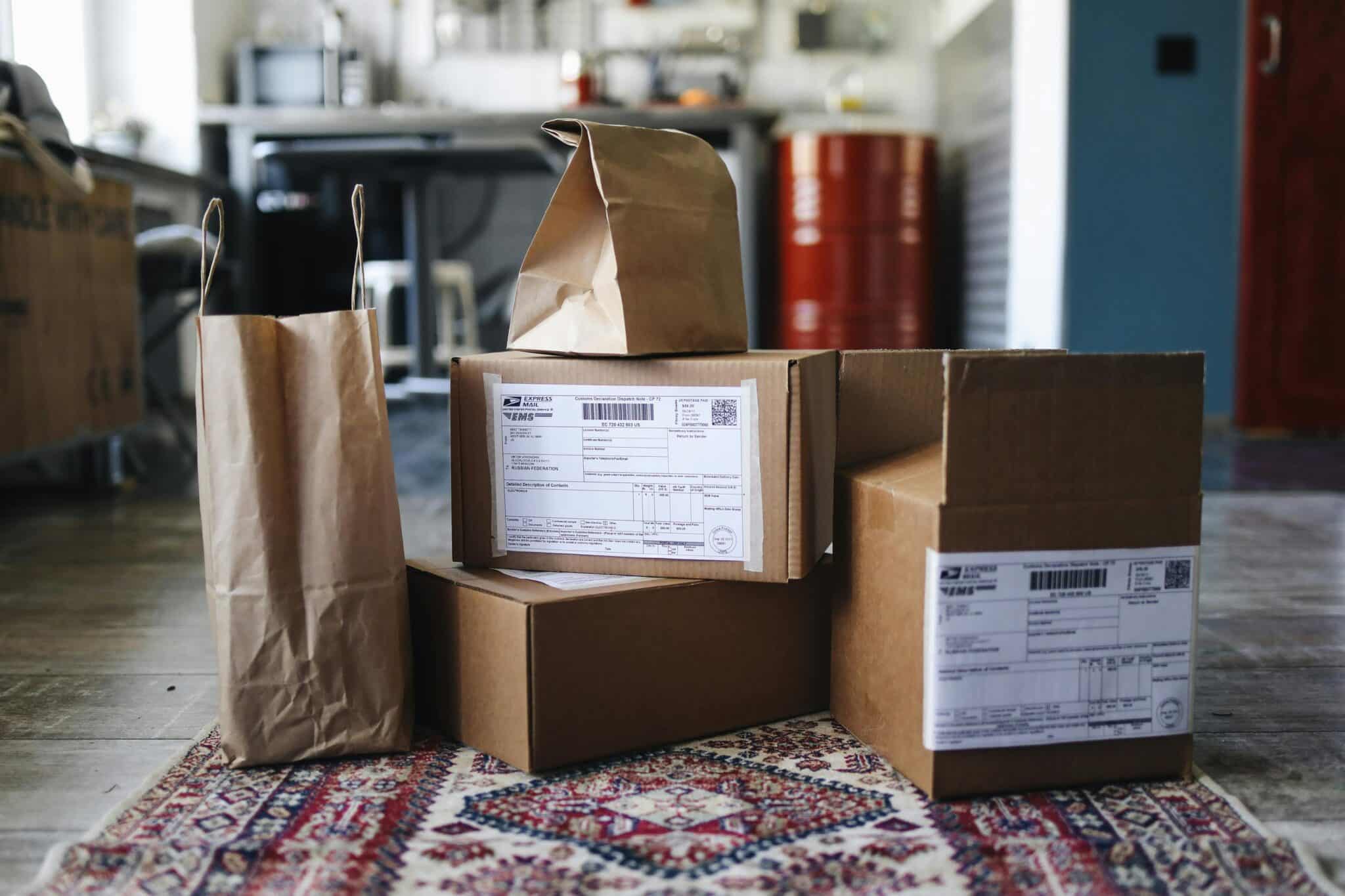
Digital purchases keep growing; how goods are packed now matters more for the company’s progress and smooth operations. Firms selling online across the continent see boxes and wraps not just as shields for items but as active elements affecting user happiness, environmental targets, and delivery networks. Starting with safeguarding contents better to building stronger name recognition, smart packing choices quietly shape what comes next for internet retail in Europe.
Therefore, packaging deserves to be looked at closely. As online shopping continues to grow, the proper packaging strategy becomes instrumental in business and operational growth. Historically, packaging has been primarily a protective layer for products shipped by companies located in Europe and E-commerce.
Join The European Business Briefing
New subscribers this quarter are entered into a draw to win a Rolex Submariner. Join 40,000+ founders, investors and executives who read EBM every day.
Subscribe
Packaging is now also becoming a critical component of customer satisfaction, supply chain objectives, and corporate sustainability efforts. Smart or intelligent packaging is a driver in how much each component of the shipping process protects products from damage during shipping. Intelligent packaging that helps fulfill protection.
Sustainability Shapes New Packaging Designs
These days, selling things online means fewer broken products reaching customers. Shipping stuff with less wrapping has become more important, too. Not every package needs five layers anymore. What matters is getting orders there safely, but lighter. Less clutter around items cuts waste without risking damage. Doing both at once makes sense for stores and buyers alike. Because of this, online shopping’s packaging world keeps shifting – retailers adapt by shielding items better while speeding up shipping times. More than ever, how things get wrapped up matters across Europe. What once just held products now helps online selling climb, linking cleaner choices with a better public image. Not only that, green concerns push new thinking about the materials used. What once simply held goods now shapes how buyers see a company – first impressions form during unboxing moments. Right sizing: Dimensioning boxes to the product to minimise void fill and dimensional weight charges. Mono-material design – single-material packaging made more easily recyclable. Loop systems are becoming popular in the fashion and beauty industry, encouraging the return and reuse of packaging materials.
Product Protection and reduced returns
Packaging design becomes more important in the home as the unboxing experience of the product is a part of the package. It establishes the consumer’s attitude towards the product and the producer. E-commerce takes packaging to new levels with a fast-developing digital infrastructure and falling prices for the enabling technology.
Packaging quality and specially-designed protective insert material minimize returns and replacements, thereby lowering the cost and trust in the customer. European companies are benefiting from investing in effective packaging strategies to create more reliable deliveries and customer satisfaction.
The e-commerce packaging market is dominated by the convenience, transparency, and price factor, with the role of packaging in the form of corrugated, flexible, protective, and transit packaging. One of the key points of the new Smithers report is the need for a new packaging concept that is specifically developed for e-commerce, as all technical, legal, and business aspects are evolving concurrently.
The packaging needs in the present times are lightweight, energy saving, protecting the product, saving space, and promoting recycling. A problem that is one of the most challenging problems in an e-commerce business is damage to products while being transported. A good packaging design will prevent a product from being damaged, getting wet, or coming in contact with handling hazards during delivery.
Right-Sizing: The Financial Logic of Custom Dimensions
Stock boxes are fixed size. They rarely fit products perfectly. There’s a void to fill in between the product and the box and it adds unnecessary expense. The logistics chain benefits from custom boxes precisely sized to fit product dimensions in measurable ways:
Dimensional weight charges: carriers throughout Europe use the greater of actual or dimensional weight to charge for shipping. If the box is oversized in each dimension, it could land in a higher weight category, which would increase each individual box’s cost. Paper fill, air pillows, or foam, all of which require investment in buying, storing, and using, require an investment of money that is wasted in void fill elimination. As retail fulfillment becomes increasingly technology-driven, many brands are investing in custom boxes for ecommerce to improve shipping efficiency, reduce product damage, and strengthen customer experience..
Optimisation of boxes optimisation of pallet boxes, which increases the usage of a pallet and thereby increases the cubic usage in the warehouse,
and when loading outbound freight. Returns handling a box sized appropriately for the product is easier and quicker to pack for returns, and so processing time per unit is reduced.
Enhancing Customer Experience Through Packaging
One of the main factors that affects e-commerce growth is customer experience & packaging contributes a lot to that experience. The unboxing has turned into an integral part of e-commerce as European consumers place a great emphasis on presentation and quality products. Companies have been working towards producing aesthetic, functional, and bespoke packaging to maximize customer experience. Designs of premium packaging attract repeat purchases, cognizance from consumers, and positive reviews online that surely would help the brand in building long-term relationships with them. Good packaging is often the catalyst for creating unboxing videos on social media platforms that expose your brand without any digital marketing spending.
Social sharing unique, Instagram-able packaging creates organic unboxing content & bespoke boxes designed to be shared, leading to better showings in repeat studies, interior print, colour reveals, and surprise structures are always more effective than blanks.
Premium Gift Packaging Allows brands to present gift-ready packaging with zero additional cost for gift wrap, allowing the brand to charge a premium while also increasing their average order value.
How Variations in Packaging Affect the Efficiency of Logistics
Logistics and supply chain top-notch in e-commerce are only possible with efficient packaging design. Light and compact, more economical shipping with less cost to the warehouse itself, along with enhanced dispatch efficiency. A variety of European firms have become aware of the advantages of right-sized packaging solutions, allowing them to reduce their use of unneeded packing and fill material. The systems help optimise the movement of goods, resulting in less carbon pumped into the air by freight transport. On an ongoing basis, packaging optimisation will perfect the efficiency and speed of delivery, while reducing operating costs.
A packaging system with less weight that minimizes product loss/damage and maximizes the logistics efficiency of transporting to/from the producer to a retailer or end-user at the store or home. With proper use of this type of packaging, brands can achieve: reduced costs, increased consumer loyalty, establish strong brand compliance, and create a true competitive advantage within one of the toughest global consumer markets.
The Trends of E-commerce Packaging in Europe. With the advent of what you can call a small swell, the investment rates in e-commerce packaging have continued to rise; shifts are projected to return within the years to come. Businesses have started reexamining biodegradable materials and minimalistic packaging design. The reliable green solutions will keep fuelling the consumer demand, which further results in the innovation of packaging, earlier completion times, and more automated operations. Strategic packaging will continue to be an important enabler of future European expansion in e-commerce.
Minimalist Packaging Design and Its Role
Minimalistic packaging design has been adopted in recent years in the field of e-commerce in Europe. Businesses are eliminating the need for multiple redundant layers of packaging, excessive use of printing, and giant boxes, which reduces waste and improves sustainability. Minimalist packaging is more cost-effective to produce and ship, but additionally contributes to a brand image that suggests cleanliness and modernism. Consumers are particularly drawn to capable packaging designs that represent simplicity, recyclability, and environmental responsibility in light of transparency.
This type of interaction with your customers helps build brand awareness and grow digitally without spending. European companies seek to convey a brand and collect values through packaging, boost sustainability, and deepen emotional ties with consumers through products.
The product inside a custom box is not only good, but it also speaks to the brand promise at the very moment of maximum customer engagement. Quick and efficient packaging systems help to increase the speed of fulfillment and the productivity of an e-commerce business’s warehouse. Packaging systems reduce handling time and lower the costs associated with logistics operations by decreasing standardized box sizes, using lightweight materials, and introducing automated packing systems.
European fulfilment centres are implementing new technologies to improve packaging accuracy and reduce the labour costs associated with each shipment of product, regardless of size. Improved customer satisfaction and efficient warehouse operational performance are a result of quicker fulfilment processes and better organisation.
Final Thoughts
Out of sight, packaging plays a quiet role in how fast e-commerce grows across Europe. Not just about shielding items on the move, today’s boxes shape how buyers feel, what brands stand for, how smoothly goods travel, and their effect on nature, too. Across the region, companies shift toward smarter, tailored wraps that respect the planet – answering louder demands without chasing trends. Growth hides in these choices, steady but unseen.
One step ahead, new rules about green practices push how goods get packed online. When firms pay close attention to clever box shapes, smooth workflows, and choose earth-friendly supplies, trust grows stronger with buyers. Cost drops happen too across delivery chains. Over time, wrapping stuff isn’t only about sending orders safely – it turns into a quiet engine for progress and results across Europe’s digital marketplaces.


