





Maintaining good ear hygiene is an essential yet often overlooked aspect of personal health. Excessive ear wax can lead to discomfort, hearing difficulties, and even infections if not managed properly. Traditionally, methods such as ear drops, syringing, and manual scooping have been the go-to solutions. However, with advances in technology and a greater emphasis on patient safety, modern methods like suction-based ear wax removal are becoming the new standard.
This blog explores how ear wax removal tools and sterile suction connecting tubes are revolutionising ear care for both professionals and home users.
Join The European Business Briefing
New subscribers this quarter are entered into a draw to win a Rolex Submariner. Join 40,000+ founders, investors and executives who read EBM every day.
SubscribeThe Importance of Ear Hygiene
Ear wax, or cerumen, is a naturally occurring substance produced to protect and lubricate the ear canal. While it plays a vital role in ear health, a build-up of wax can cause symptoms like:
- Blocked ears
- Tinnitus (ringing)
- Temporary hearing loss
- Earache or discomfort
- Itchiness or irritation
Proper ear care helps maintain balance, hearing clarity, and prevents infection. That’s why more people are turning to professional-grade solutions to manage wax build-up effectively and safely.
Traditional vs. Modern Wax Removal Methods
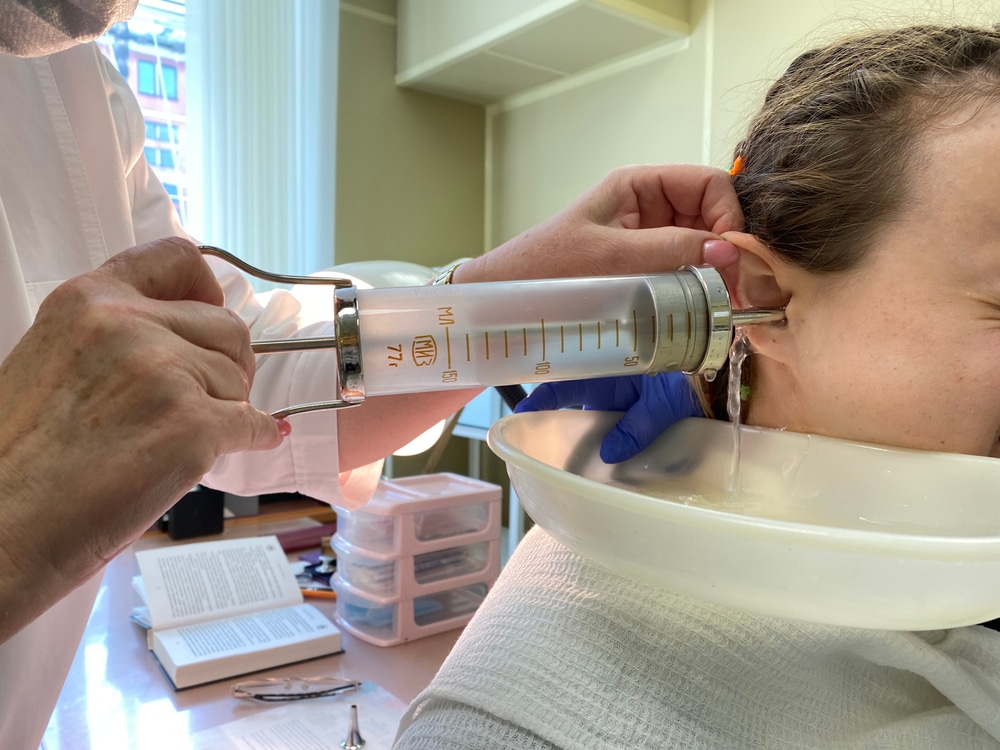
In the past, syringing or ear irrigation was a common method for removing wax. This involved flushing the ear canal with water, which could be uncomfortable and, in some cases, risky if the ear drum was perforated.
Manual removal tools, such as curettes or cotton buds, also posed problems, particularly when used at home as improper use can push wax deeper or damage the ear canal.
Modern suction methods, however, offer a safer, cleaner, and more efficient alternative. Suction removal uses negative pressure to gently extract wax without the use of water, making it ideal for individuals with perforated eardrums or sensitive ears.
How Suction-Based Tools Work
Suction ear wax removal involves using a medical-grade suction pump connected to a sterile tubing system. A trained professional inserts a fine suction probe into the ear canal, which gently removes the wax through controlled suction.
The key components of this method include:
- A suction pump
- A sterile suction connecting tube
- A suction probe or nozzle
- A collection container for waste material
This method is widely used in audiology clinics, ENT practices, and even in some general practitioner settings due to its effectiveness and reduced risk of complications.
The Role of Connecting Tubes in Professional and Home-Use Kits
The suction connecting tube plays a critical role in the overall safety and hygiene of the procedure. These tubes are typically:
- Sterile and disposable, reducing the risk of infection
- Flexible and transparent, allowing easy visual monitoring
- Securely fitted, ensuring an airtight connection between the pump and probe
Whether you are a healthcare provider or a home user working with a portable suction kit, using the right tubing is essential for maintaining hygiene standards and achieving optimal results.
Choosing the Right Ear Wax Removal Tools
If you’re considering upgrading your clinic’s equipment or seeking safe home-use options, selecting reliable ear wax removal tools is vital. These may include:
- Headlights or otoscopes for visual guidance
- Suction pumps of varying power levels
- Sterile probes and tubes
- Ear speculums and soft tips
- Hygienic storage and disposal accessories
At Supplies Hear, a wide range of professionally recommended tools is available for both clinical and at-home use, ensuring you get the safest and most effective products on the market.
Safety Tips and Expert Recommendations
To maximise the safety and effectiveness of suction-based ear wax removal, keep the following in mind:
- Always use sterile, single-use tubing and tips to prevent infection.
- Do not attempt deep insertion of tools unless trained to do so.
- Consult a professional if you’re experiencing pain, hearing loss, or suspect an ear infection.
- Avoid water-based methods if you have a perforated eardrum or chronic ear problems.
- Regular check-ups with an audiologist can help monitor wax build-up and maintain optimal ear health.
Conclusion
Suction tools and sterile connecting tubes are not just upgrades in technology, they represent a shift towards safer, more comfortable, and more effective ear care. Whether you’re a healthcare professional or someone looking for a reliable home-use solution, investing in high-quality ear wax removal tools and sterile suction connecting tubes can make all the difference.
Take a step toward better ear health and trust the tools that are helping redefine modern ear hygiene.


