





Whether it’s a construction crew setting up a new job site, a landscaper planning out a garden design, or a surveyor identifying property lines, one thing remains consistent: visibility is everything. Outdoor projects rely heavily on precision and communication, and a simple misstep caused by poor visibility can lead to costly mistakes or even safety hazards. That’s where marking tools come in.
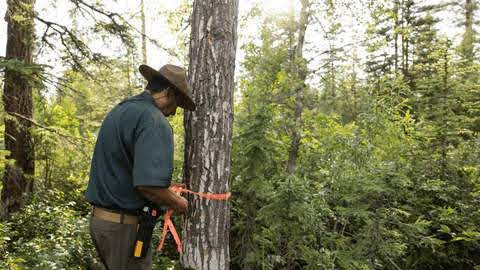
From paint and stakes to flags and ribbons, these tools create a visual language that everyone on the project can understand. Among these, one of the most versatile is flagging tape, a lightweight, colorful material used across industries to provide clear markers without the need for heavy or expensive equipment.
This article explores the variety of marking tools available, their uses, and best practices for applying them effectively in different environments.
Join The European Business Briefing
New subscribers this quarter are entered into a draw to win a Rolex Submariner. Join 40,000+ founders, investors and executives who read EBM every day.
SubscribeWhy Marking Tools Are Essential for Outdoor Work
Marking tools may seem simple, but their role is foundational in ensuring efficiency and safety. Their primary purposes include:
- Visibility: Bold colors or textures ensure that boundaries, hazards, or routes are noticeable even at a distance.
- Organization: Workers can stay coordinated by following clear, universal indicators.
- Safety: Markings alert teams to dangerous areas such as excavation sites, buried cables, or hazardous zones.
- Communication: Visual cues reduce the chance of misunderstandings between team members, especially in noisy environments where verbal communication is difficult.
Industries that depend on marking tools include:
- Construction: Demarcating foundations, utility lines, and work zones.
- Landscaping: Outlining garden beds, irrigation paths, or turf sections.
- Forestry: Identifying trees for removal, study, or preservation.
- Utilities: Highlighting underground pipes, cables, or other infrastructure.
- Recreation and Events: Directing foot traffic, organizing outdoor gatherings, or marking athletic fields.
Without these tools, many projects would grind to a halt, or worse, risk worker safety and operational accuracy.
Common Types of Marking Tools
Not all marking tools are created equal, and the right choice often depends on the environment and purpose. Here’s a breakdown of some of the most common options:
- Spray Paint
- Ideal for temporary ground markings.
- Commonly used on construction sites and athletic fields.
- Pros: Fast application, high visibility.
- Cons: Fades quickly outdoors, less eco-friendly.
- Stakes and Flags
- Wooden or plastic stakes topped with colorful flags.
- Used in surveying, agriculture, and landscaping.
- Pros: Durable, reusable, stable in windy conditions.
- Cons: More effort to install and remove.
- Chalk Lines
- Used for creating straight lines over flat surfaces.
- Popular among carpenters, roofers, and builders.
- Pros: Accurate, inexpensive.
- Cons: Not weather resistant, best for short-term use.
- Flagging Tape
- Non-adhesive, brightly colored tape tied to trees, stakes, or equipment.
- Used across construction, forestry, and recreation.
- Pros: Lightweight, affordable, highly visible.
- Cons: Less durable in harsh weather if left too long.
By understanding the strengths and limitations of each, project managers can match the tool to the task for optimal results.
Practical Applications of Marking Tools
The versatility of marking tools is evident in the wide range of industries and activities that use them daily. Here are some of the most common applications:
- Landscaping and Garden Planning
- Marking flower beds, irrigation lines, or retaining wall outlines.
- Ensuring symmetry and spacing in garden designs.
- Guiding equipment operators when cutting or grading land.
- Construction and Excavation Sites
- Indicating trenches, utilities, and structural outlines.
- Identifying restricted zones for safety compliance.
- Directing the flow of vehicles and heavy machinery.
- Hiking Trails and Forestry Management
- Marking trail paths for hikers in heavily wooded areas.
- Indicating trees for harvest or preservation in logging projects.
- Creating boundaries for controlled burns or wildlife studies.
- Utility Work and Surveying
- Highlighting underground gas, water, or electrical lines.
- Identifying boundaries or easements during land development.
- Assisting teams in locating points for drilling or installation.
- Event Planning and Crowd Control
- Guiding participants at outdoor festivals, races, or fairs.
- Marking off-limits zones or reserved areas.
- Directing pedestrian traffic safely through large venues.
Each of these applications relies on the same principle: make the invisible visible, ensuring everyone involved stays informed and safe.
Choosing the Right Marking Tool for the Job
Not every project requires the same kind of marker. Choosing the correct tool means evaluating the unique needs of the task. Factors to consider include:
- Visibility Needs
- Bright, fluorescent colors are ideal for projects with heavy foot traffic or dense environments (like forests).
- Subtle colors may be preferred in landscaping projects where aesthetics matter.
- Durability
- Projects lasting several weeks may benefit from stakes or flags.
- Short-term events can rely on paint or tape.
- Environmental Impact
- Biodegradable flagging tape or water-based spray paints can help reduce waste.
- Reusable stakes or chalk lines are also eco-friendly alternatives.
- Cost-Effectiveness
- Bulk purchases of tape or paint may suit large projects.
- Smaller projects might only require a few stakes or lines.
Taking the time to match the tool to the project ensures efficiency and reduces the risk of overspending or under-preparing. You can also find great options, that deliver right to your door
Best Practices for Using Marking Tools
Like any tool, marking products deliver the best results when used correctly. Here are some practical tips to get the most value out of them:
- Plan Before You Mark
- Create a site map or layout plan before applying markers.
- This avoids confusion and ensures consistency across the project.
- Choose the Right Color Code
- Establish a color key (e.g., red = hazard, blue = water lines, yellow = electrical).
- Communicate this code to all workers to prevent misinterpretation.
- Don’t Overuse Markers
- Too many markings can clutter the site and confuse workers.
- Use them sparingly but strategically for maximum clarity.
- Secure Markings in Harsh Conditions
- Tie tape securely to prevent it from blowing away in the wind.
- Use heavier stakes or weighted flags in exposed areas.
- Think About Removal
- Always remove markings when the project is complete.
- This prevents littering and environmental impact while keeping the site clean.
By following these best practices, teams not only improve safety but also demonstrate professionalism and respect for the environment.
Conclusion
Outdoor projects from the smallest landscaping effort to the largest construction site—depend on clear, effective communication. Marking tools make this possible by offering affordable, visible, and versatile ways to define boundaries, signal hazards, and organize workflow.
From spray paint and chalk lines to stakes and tape, each tool has its place in the toolbox. Choosing the right one depends on the project’s scope, duration, and setting. And while they may seem like simple items, tools like flagging tape prove time and again that visibility can make the difference between a smooth project and a risky one.
Whether you’re a professional contractor, a dedicated gardener, or a trail manager, investing in the right marking tools ensures your work is both safer and more successful.


