

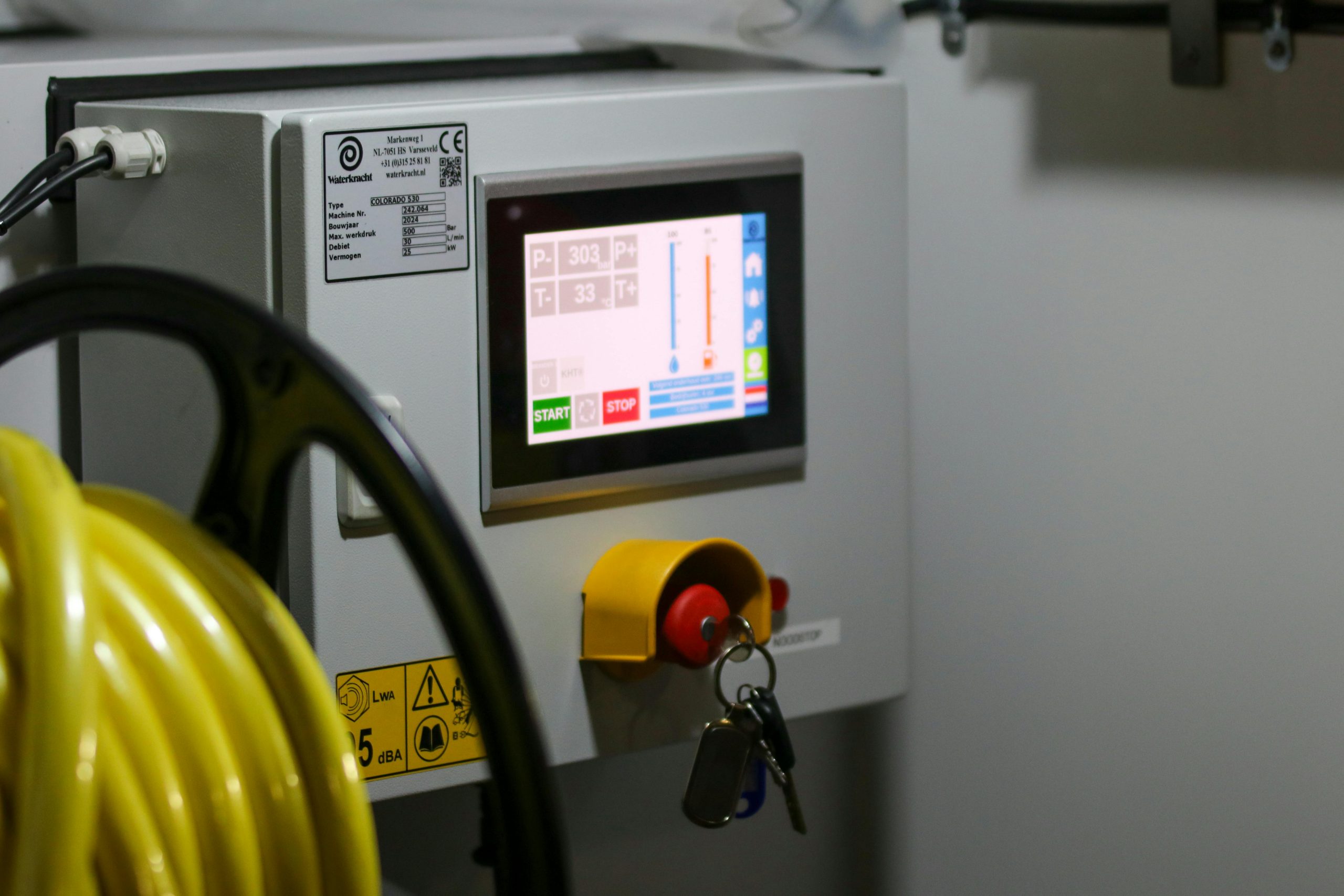
The electrical safety landscape is entering a period of rapid evolution in 2025, fueled by powerful technological advances, increasing regulatory demands, and a growing focus on sustainability and accountability. Electric safety, once limited to basic preventative measures and device certifications, now encompasses proactive diagnostics, real-time monitoring, and data-driven systems designed for critical environments from homes and high-rise offices to industrial plants and smart grids.
Cutting-Edge Technologies Shaping Electrical Safety
Emerging technologies are at the forefront of reducing risk and enhancing protection for workers, property owners, and organizations worldwide. Advanced circuit protection, such as remotely monitored AFCIs (Arc Fault Circuit Interrupters) and IoT-enabled GFCIs (Ground Fault Circuit Interrupters), now deliver real-time feedback on potential hazards, allowing instant interventions before problems escalate.
Wearable safety devices smart helmets, sensor-embedded gloves, and augmented reality glasses are transforming how personnel detect and avoid electrical risks on site. These devices provide alerts for high-voltage proximity, environmental dangers, or even equipment malfunctions, vastly improving response times and safety outcomes. Automation and artificial intelligence play increasingly critical roles. Smart diagnostic platforms can identify electrical faults, overcurrent events, or wiring errors before they cause damage, and automatically shut down circuits in hazardous conditions to prevent fire or shock.
Join The European Business Briefing
New subscribers this quarter are entered into a draw to win a Rolex Submariner. Join 40,000+ founders, investors and executives who read EBM every day.
SubscribeGlobal regulations are evolving to keep pace, with stricter standards for certification, continuous system monitoring, and sustainability. Notably, India’s BIS Operational Technical Regulations (OTR 2025) now includes blockchain for certification traceability and green norms to address carbon footprints. International standards from CE, UKCA, and IEC are aligning to create a more harmonized and rigorous global framework.
Compliance, Risk Mitigation, and Professional Accountability
Amidst these technological leaps, regulatory compliance remains the backbone of electric safety. In cities such as London, property owners and landlords face legal mandates for electrical system inspections notably the eicr certificate London. The Electrical Installation Condition Report (EICR) is essential for identifying hazards in wiring, sockets, and fuse boards, recommending improvements, and ensuring compliance before new tenancies or after major electrical work. Landlords found without up-to-date EICRs risk substantial fines, delayed rental agreements, and increased insurance liabilities.
These certificates reflect broader regulatory shifts in 2025: digital certification, QR code-enabled tracking, and heightened transparency with blockchain ledgers for both commercial and residential properties. As inspections become more thorough and standardized, the push for real-time status updates and automated reporting is raising the bar for professional accountability in electric safety.
Sustainability and Integrated Safety Ecosystems
Sustainability is now inextricable from safety, especially as governments set ambitious climate targets. Electrical systems and safety components must meet new norms for energy efficiency, recyclable materials, and low carbon emissions. IoT connectivity and big data analytics are central to this shift creating dynamic, self-improving safety ecosystems that optimize resource use, quickly identify at-risk infrastructure, and streamline maintenance.
Industries deploying electrical equipment from manufacturing to healthcare face stricter operational timelines, extended compliance windows, and structured regulatory rollouts to help drive system upgrades while maintaining productivity. Meanwhile, consumers benefit from higher standards and greater transparency, as businesses prioritize product safety, responsible manufacturing practices, and ethical supply chains.
Next-Gen Training and Workforce Protection
As safety technologies advance, workforce training must evolve. Augmented reality modules for electricians, interactive digital safety manuals, and scenario-based virtual training are enhancing skills and reducing errors. Smart PPE and AI-driven diagnostic systems are expected to become standard in high-risk sectors, anticipating hazards and empowering workers to respond safely in real time.
The electric safety sector in 2025 is characterized by proactive innovation, enhanced compliance, and integrated sustainability. From smart circuit protection and AI-enabled diagnostics to global harmonization of regulations and digital certification systems like the eicr certificate London, the focus is on safeguarding lives, property, and the environment. As organizations adapt to stricter norms and consumers embrace higher standards, the foundation of a safer, more transparent, and resilient electrical future is being built across every region and industry.


