





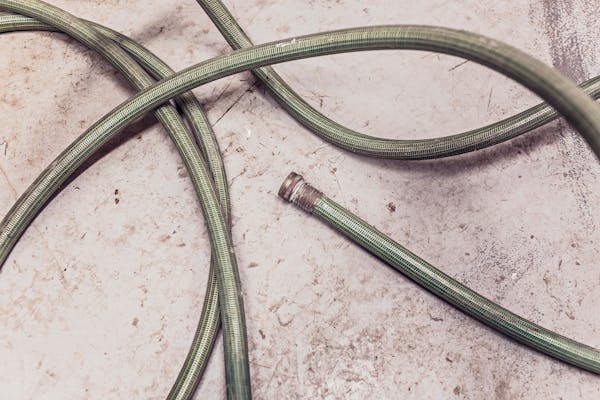
The industrial landscape has shifted dramatically over the past decade. Nowhere is this more evident than in the fluid transfer sector, where operational demands have intensified across manufacturing, chemical processing, and energy production. Facility managers worldwide face mounting pressure to maintain uninterrupted operations while navigating increasingly complex regulatory environments. Yet many overlook a critical component in their systems – the humble industrial hose.
The rise of the UK as a benchmark for excellence in this field has been nothing short of remarkable. Every flexible hose manufacturer in the UK must adhere to stringent quality control measures that surpass those found in many other industrial powerhouses. The standards developed and implemented across British manufacturing facilities have gradually filtered into international best practices, reshaping expectations globally. But what’s driving this shift, and why should operations managers care about the origin of something seemingly as basic as an industrial hose?
The Hidden Dangers of Inadequate Standards
Picture this scenario: a manufacturing plant has been running smoothly for years using locally sourced industrial hoses. Production targets are consistently met, and costs are kept relatively low. Then, one ordinary Tuesday morning, without warning, a high-pressure hydraulic hose fails during peak production.
Join The European Business Briefing
New subscribers this quarter are entered into a draw to win a Rolex Submariner. Join 40,000+ founders, investors and executives who read EBM every day.
SubscribeThe consequences cascade through the facility. Production grinds to a halt. Expensive machinery sits damaged. Workers stand idle. Customers grow impatient. And somewhere, a finance director calculates the mounting costs of this seemingly minor component failure.
This isn’t some far-fetched hypothetical situation. It happens regularly across industrial operations worldwide. The financial implications stretch far beyond immediate disruption—damaged client relationships, missed deadlines, regulatory investigations, potential injuries, and environmental clean-up—all from a component that probably costs less than a decent business lunch.
British Standards: Setting the Global Benchmark
So, what exactly makes UK manufacturing standards different? It’s not just about ticking regulatory boxes (though there are plenty of those to tick).
British standards go deeper than basic certification. While ISO 9001:2015 provides a starting point, UK manufacturers typically build upon this foundation with industry-specific certifications. Standards like BS EN 853 for hydraulic hoses establish exacting requirements covering everything from burst pressure ratings to temperature resistance.
The testing protocols often exceed international norms by substantial margins. Global standards might require testing at 1.5 times maximum operating pressure – but many UK manufacturers routinely test twice or three times this pressure.
The Commercial Implications of Superior Standards
Premium flexible hoses manufactured to British standards typically cost more upfront than alternatives from regions with less stringent regulations. This price difference often becomes the stumbling block that leads companies down a dangerous path.
However, focusing solely on purchase price ignores the actual calculation that matters – the total cost of ownership.
Facilities using high-standard flexible hoses typically experience fewer unplanned stoppages related to fluid transfer system failures. The numbers are stark—some operations report a nearly 80% reduction in hose-related downtime after upgrading to premium components.
There’s also service life to consider. Premium hoses manufactured to UK standards frequently last 2-3 times longer than budget alternatives. Maintenance crews spend less time on routine replacements and more on productive activities. The burden on procurement teams diminishes as replacement cycles stretch months to years.
And then there’s the risk factor. When calculating the true cost of a component, smart operations managers factor in the potential costs of catastrophic failure, equipment damage, lost production, waste, safety incidents, environmental clean-up, and legal complications. These potential costs dwarf the incremental investment in higher-quality components.
Technological Innovations Driving Standards Forward
UK leadership in flexible hose manufacturing standards hasn’t emerged in isolation. It’s been driven by continuous technological innovation that pushes the boundaries of what’s possible in fluid transfer systems.
Materials science has transformed modern, flexible hoses. Composite materials now combine the flexibility of traditional rubber with the strength and chemical resistance of advanced polymers.
Adapting to Global Industry Needs
The most significant impact of UK manufacturing standards has been their influence on global industry practices. As multinational corporations standardise operations across regions, they increasingly adopt the highest common denominator in component specifications – often bringing UK standards to facilities worldwide.
This influence extends beyond direct procurement. As export markets increasingly require compliance with stringent standards, manufacturers must either adapt supply chains to incorporate premium components or risk exclusion from lucrative global markets.
Implementing Higher Standards in Your Operation
For engineers and procurement specialists considering the transition to UK-standard flexible hoses, implementation requires planning but offers substantial rewards.
A sensible approach starts with a thorough audit of current fluid transfer systems. Identifying critical pathways where failures have the most significant operational impact provides logical starting points for standards upgrades.
Suppliers matter, too. The best ones provide products and expertise – helping identify optimal application specifications. This ensures neither over-engineering (and overpaying) nor under-protecting critical systems.
The Future of Flexible Hose Manufacturing Standards
Manufacturing standards appear to be headed toward even greater integration of innovative technologies. Developing self-monitoring hose systems that can predict failures before they occur could revolutionise maintenance protocols across industries.
Environmental considerations are also reshaping current standards.


