





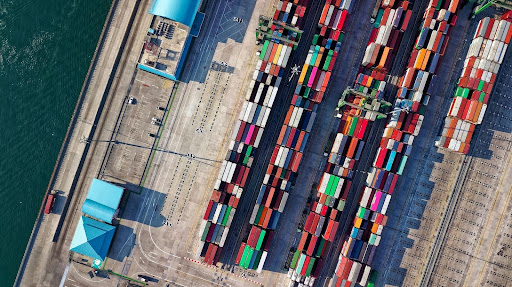
Global trade’s on a tear these days, and small businesses aren’t just watching from the sidelines—they’re diving in, reaching across borders. Managing an international supply chain, though? That’s where it gets tricky. You’ve got delays that throw you off, costs that pile up fast, and regulations that feel like a puzzle with missing pieces. Finding ways to make it all work smoothly isn’t optional—it’s the key to keeping things rolling and setting yourself up for the long haul.
Choosing the Right Freight Forwarder
Picking a freight forwarder you can trust is half the battle in sorting out logistics. You need to weigh their service record, how much they charge, and whether they’ve got the reach you need. A pro who’s been around the block can keep your shipments from stalling out. Essential tips from SEKO Logistics on selecting an international freight forwarder include checking industry certifications and understanding customs regulations.. Don’t just settle; check out a few options to see who fits best. A good forwarder’s like a partner who’s got your back—efficiency goes way up.
They’re the ones handling the paperwork mess, moving your goods, and dealing with customs headaches. Make sure they know the routes you’re running—experience matters there. Their network’s got to deliver solid transit times, no excuses. Tracking tools are a lifesaver too; you want to know where your stuff is without guessing. Keep the lines open with them—disruptions shrink when you’re both on the same page. It’s all about steady deliveries you can count on.
Join The European Business Briefing
New subscribers this quarter are entered into a draw to win a Rolex Submariner. Join 40,000+ founders, investors and executives who read EBM every day.
SubscribeUnderstanding Customs and Compliance
Shipping overseas means jumping through hoops—every country’s got its own rulebook. Tariffs, duties, piles of forms—you’ve got to stay on top of it all. Miss something, and your shipment’s stuck, costing you time and money. A customs broker’s worth their weight here; they keep you out of trouble. Label things right, classify your goods properly—fines are no joke. Training your team on this stuff pays off—transactions glide through easier.
Knowing trade agreements can lighten the load—free trade deals cut costs, smooth imports. Look for duty breaks on what you’re moving; it’s money saved. HS codes aren’t optional—they peg your tariffs right. Rules shift, so keep an eye out—unexpected hits sting. Get your paperwork tight, and customs won’t turn into a roadblock.
Optimizing Inventory Management
Messy inventory’s a cash drain—too little, you’re scrambling; too much, you’re buried. Tech’s your friend here—systems that track stock live stop the chaos. Forecasting keeps you ahead; talk to suppliers so orders line up right. Safety stock’s your cushion when things go sideways. Automation’s a quiet hero—cuts mistakes, keeps it sharp.
A good system saves you from bleeding money. Just-in-time ideas trim storage costs—smart, not skimpy. Cycle counts keep your numbers straight; sales data shows what’s moving. Barcodes or RFID make tracking dead-on. Set some standard steps, and your chain’s locked in sync.
Enhancing Supplier Relationships
Solid supplier ties toughen up your supply game—they’re your foundation. Keep talking; spell out what you need clear and simple. Trust builds, and that’s when you score better deals, faster service. Long-term contracts lock it in; spread suppliers out so you’re not pinned to one. Check how they’re doing now and then—quality can’t slip. Catch problems early, or they’ll grow teeth.
It’s not just about haggling—get where they’re coming from, work together. Pull them into planning early; sourcing gets smoother. Flexible payment terms ease your cash flow. Reviews keep them sharp—partnerships like that push growth.
Leveraging Technology for Efficiency
Tech’s your window into the chain—cloud setups track live, no lag. Automation knocks out the grunt work; AI digs into decisions. Digital tools speed things up, nail accuracy. Mobile apps let you check shipments from anywhere—handy stuff. Spend on tech that fits, and it pays back over time.
IoT sensors watch your goods close—real-time updates on the fly. Blockchain keeps deals clean; machine learning nails forecasts. RPA handles the boring bits—frees you for strategy. Stay plugged in, and you’re ahead of the pack.
Reducing Shipping Costs
Shipping costs hit hard if you’re not careful—compare carriers, push for better rates. Bundle shipments; it’s cheaper than bits and pieces. Pack smart—light and snug—or you’re paying extra. Look at other routes; faster might save bucks. Dig into costs—savings hide there.
Regional hubs cut delivery bleed; 3PLs scale you up easy. Mix carriers—don’t box yourself in. Watch seasonal swings; plan tight, save big. Less handling, less breakage—keeps cash where it belongs.
Final Thoughts
A tight international supply chain’s your growth engine. Pick sharp partners—logistics hums. Nail compliance—no pricey holdups. Inventory control keeps orders flowing; suppliers steady the ship. Tech lights the way; cost cuts boost the bottom line. Small outfits tuning this up grab a global edge—smart and solid.
Keep at it—review what’s working, stay sharp on trade shifts. Train your crew; watch KPIs to gauge how you’re doing. A strong chain’s your backbone for scaling up and sticking around.


