



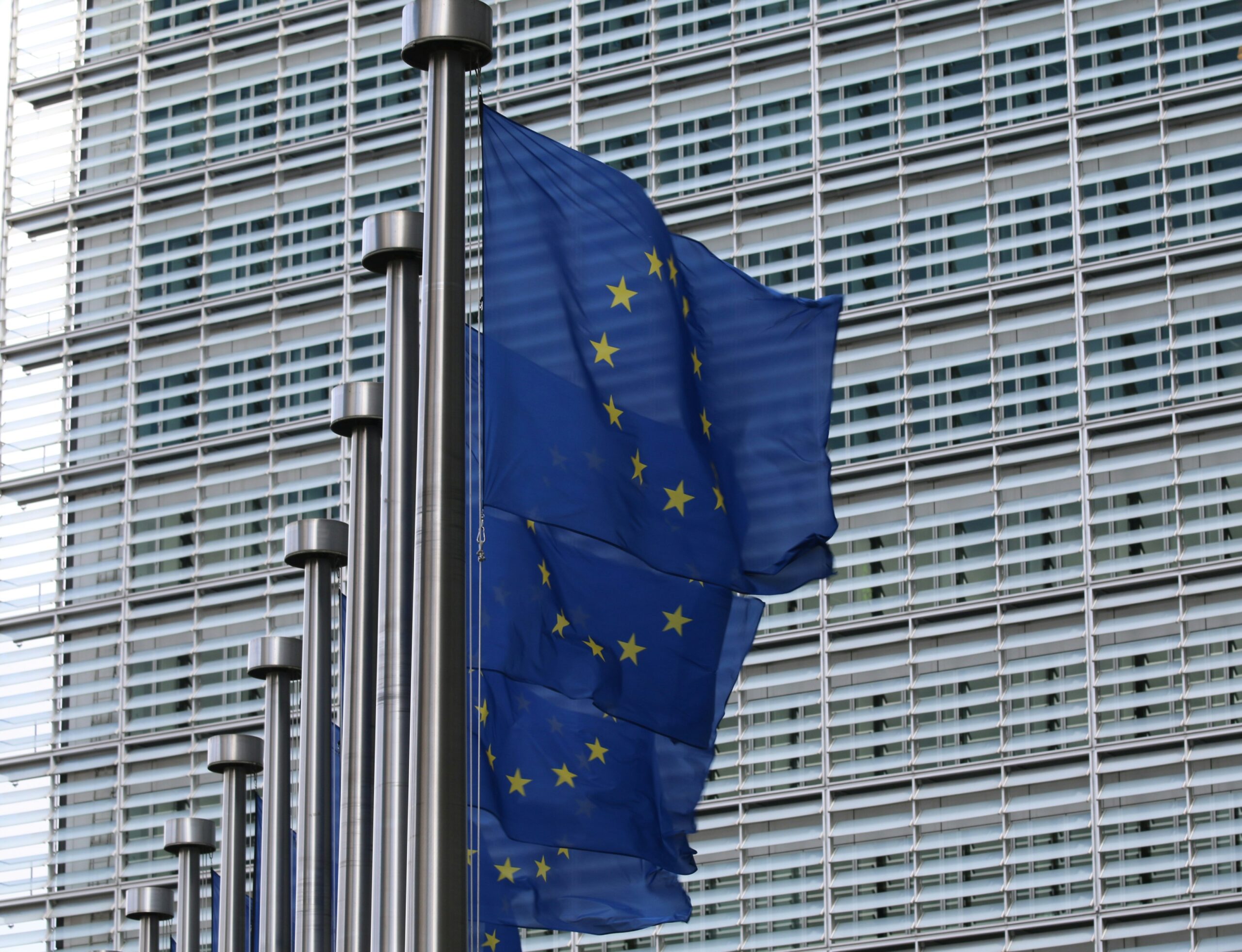
For multinational firms operating in Europe, regulatory complexity is no longer an occasional challenge; it is a constant operational reality. The European Union’s regulatory environment is one of the most comprehensive in the world, covering data protection, cybersecurity, financial reporting, sustainability, competition law, and more. As these regulations continue to evolve, Governance, Risk & Compliance (GRC) has become a strategic necessity rather than a back-office function.
For companies operating in several EU member states, the ability to coordinate these efforts centrally while adapting locally is critical.
Governance Across Borders
Join The European Business Briefing
New subscribers this quarter are entered into a draw to win a Rolex Submariner. Join 40,000+ founders, investors and executives who read EBM every day.
SubscribeGovernance in a multinational context involves more than corporate policies and board oversight. It requires consistent decision-making structures that account for different legal systems, cultural expectations, and regulatory authorities. EU regulations often apply uniformly at the highest level, but implementation and enforcement can vary across countries.
Effective guidance ensures that leadership teams have visibility into how policies are applied across regions and that local subsidiaries operate in line with group-wide standards. Technology-enabled governance tools now allow policies, approvals, and reporting structures to be standardised without sacrificing flexibility. This consistency is essential for demonstrating accountability to regulators, investors, and partners across Europe.
Managing Risk in a Complex EU Landscape
Risk management for multinational firms in the EU extends far beyond financial exposure. Cybersecurity threats, data privacy risks, third-party dependencies, and operational disruptions all carry regulatory consequences. Frameworks such as the General Data Protection Regulation (GDPR) and the Network and Information Security Directive (NIS2) have raised the stakes, with significant penalties for non-compliance.
Modern risk management relies on continuous assessment rather than periodic reviews. By integrating data from across business units, firms can identify emerging risks early and understand how issues in one country may impact operations elsewhere. This holistic view is especially important in the EU, where cross-border data flows and supply chains are the norm.
Predictive risk analysis and real-time monitoring now enable organisations to move from reactive responses to proactive mitigation. For multinational firms, this shift reduces regulatory exposure and improves operational resilience.
Compliance as an Ongoing Process
EU compliance is not a one-time exercise. Regulations are frequently updated, and new requirements, particularly in areas such as sustainability reporting and digital resilience, are being introduced at a rapid pace. Multinational firms must track these changes while ensuring that internal controls remain aligned.
This is where structured GRC Management becomes critical. Rather than managing compliance in isolated departments, leading organisations are adopting integrated approaches that link regulatory requirements directly to controls, risks, and governance processes.
Continuous compliance monitoring also improves audit readiness. When organisations maintain an up-to-date view of their compliance posture, audits become less disruptive and more transparent, which is an important advantage when dealing with multiple EU regulators.
Breaking Down Silos Across Regions
One of the biggest challenges for multinational firms is organisational silos. Governance, risk, and compliance activities are often managed separately by legal, IT, finance, and security teams across different countries. This fragmentation increases the risk of oversight gaps and inconsistent reporting.
Integrated GRC approaches help break down these silos by creating a single source of truth. When teams share data, dashboards, and workflows, decision-making becomes faster and more informed. This alignment is particularly valuable in the EU, where regulatory expectations increasingly emphasise transparency and accountability.
Turning Regulation Into Advantage
While EU regulations are often seen as burdensome, they can also drive stronger business practices. Firms that invest in mature GRC frameworks are better positioned to build trust with customers, partners, and regulators. Strong governance supports better strategic decisions, effective risk management protects long-term value, and consistent compliance enhances reputation.
For multinational firms navigating the EU’s regulatory landscape, GRC is no longer optional. It is a core capability that will enable them to meet regulatory demands and operate with confidence and resilience in one of the world’s most complex markets.

