



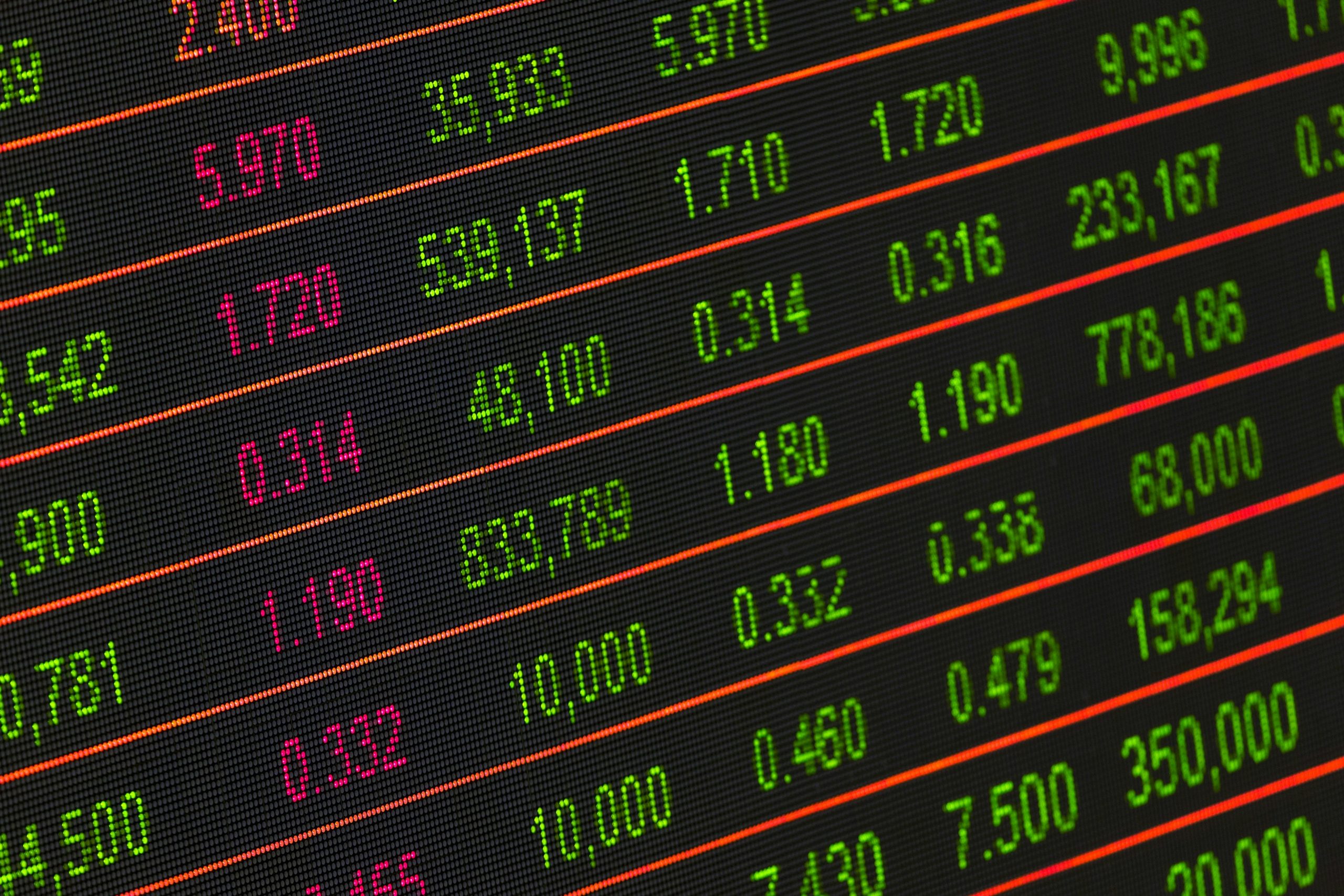
There’s a reason why seasoned traders start their day looking at the Nasdaq screen, even if they don’t trade tech. Nasdaq Futures have become one of the earliest reads on how global markets are positioned. They don’t just reflect sentiment from the U.S.; they digest whatever happened overnight in Asia, then fold in Europe’s early response, hours before Wall Street even opens.
The movement in those early hours can set the tone for everything else. If futures hold a quiet range through the Asian session, it often suggests calm. But a sharp move, especially one not tied to news, signals repositioning. And when that move lines up with currency shifts or bond yields jumping in Europe, global traders take notice.
Even those managing portfolios outside the U.S. pay attention. Because the Nasdaq, more than any other equity index, has become a proxy for forward-looking risk: innovation, growth, and monetary sensitivity all packed into one contract.
Join The European Business Briefing
New subscribers this quarter are entered into a draw to win a Rolex Submariner. Join 40,000+ founders, investors and executives who read EBM every day.
SubscribeGlobal rotation starts with the Nasdaq 100 Futures
What happens in tech doesn’t stay in tech. Nasdaq 100 Futures frequently lead when money starts shifting between regions or sectors. For example, during the first half of 2022, as inflation fears mounted and central banks turned hawkish, these futures began pulling lower well before broader indices cracked. The rotation away from growth was visible in the stocks and how the futures responded at key levels.
What followed wasn’t just a local adjustment. Within days, European indices lost steam. Asian tech names, particularly those in Hong Kong and South Korea, felt the pressure. It wasn’t contagion; it was correlation. The Nasdaq signaled the change first, and global risk assets realigned accordingly.
The reason is simple: a large part of institutional positioning is sensitive to what Nasdaq is doing, especially in passive and quantitative strategies. Once it starts to shift, flows adjust. Those watching closely often get an early look at how the rest of the market might respond.
Nasdaq Index Futures and the flow behind the charts
It’s easy to think of Nasdaq Index Futures as another trading instrument. In reality, they’re at the core of global derivatives strategy. Significant funds use them to speculate, hedge, adjust beta, and manage risk across multi-asset portfolios.
You’ll often see increased volume in these contracts before major macro events. Whether it’s an ECB meeting, a surprise CPI release in the U.S., or headlines from China, liquidity moves fast into Nasdaq futures. Not because they’re always directly affected, but because they’re efficient. Tight spreads, deep books, and immediate access make them ideal for risk adjustments.
This responsiveness is what gives them weight. When volatility rises or conviction weakens, these futures reflect that shift long before traditional equity indices catch up. The spillover affects more than equities: rates, FX, and even commodities can respond to the tone set by Nasdaq futures during key hours.
Why do non-tech traders follow Nasdaq Futures
You don’t need to trade tech to care about how Nasdaq behaves. If you’re selling in Europe, the first hour of Nasdaq futures activity can help shape your opening exposure. If you’re in Asia, how Nasdaq closes can influence how you structure overnight risk.
What gives Nasdaq Futures its edge is not just speed or volume. It’s the concentration of global expectations in one place. They blend sentiment, policy assumptions, and growth outlooks into a single tradable stream. That stream often moves ahead of the news and ahead of slower-moving benchmarks.
Watching these contracts is a habit worth keeping for those looking to stay in sync with global positioning, not to predict but to interpret.
Futures that speak beyond borders
Whether it’s Nasdaq 100 Futures catching a shift in macro tone or Nasdaq Index Futures absorbing liquidity from global desks, these instruments are more than tools for day traders. They offer early signals, fast feedback, and a look into where the world’s capital might lean next.
For traders who don’t want to be surprised by the open or caught flat-footed after a sudden unwind, these futures remain one of the most useful charts on the screen.

