





EBM Newsdesk Analysis
May 13, 2026 — Europe crossed the €200 billion threshold of cumulative committed investment in its electric-vehicle supply chain this week, according to New AutoMotive data reported by Reuters — €109bn in batteries, €60bn in EV manufacturing, €23-46bn in public charging, the remainder in components and private infrastructure. The number reads as a milestone for a continent five years into its industrial pivot. It is also misleading: roughly 600 GWh of announced European battery capacity has been delayed, scaled back or cancelled outright, leaving the bloc still importing batteries for two of every three EVs sold inside it.
The headline figure is what got committed. The number that matters is what actually produces cells at scale by 2027 — and on current trajectory, Europe will miss that target by a wide margin. The collapse of Northvolt was the single largest unwind, but it sits inside a wider pattern: ACC paused Termoli, Volkswagen scaled back PowerCo, Britishvolt never opened. The €200bn marker is a story about Europe trying to industrialise faster than its capital allocators, planning systems and grid build-out can deliver.
What €200bn actually bought
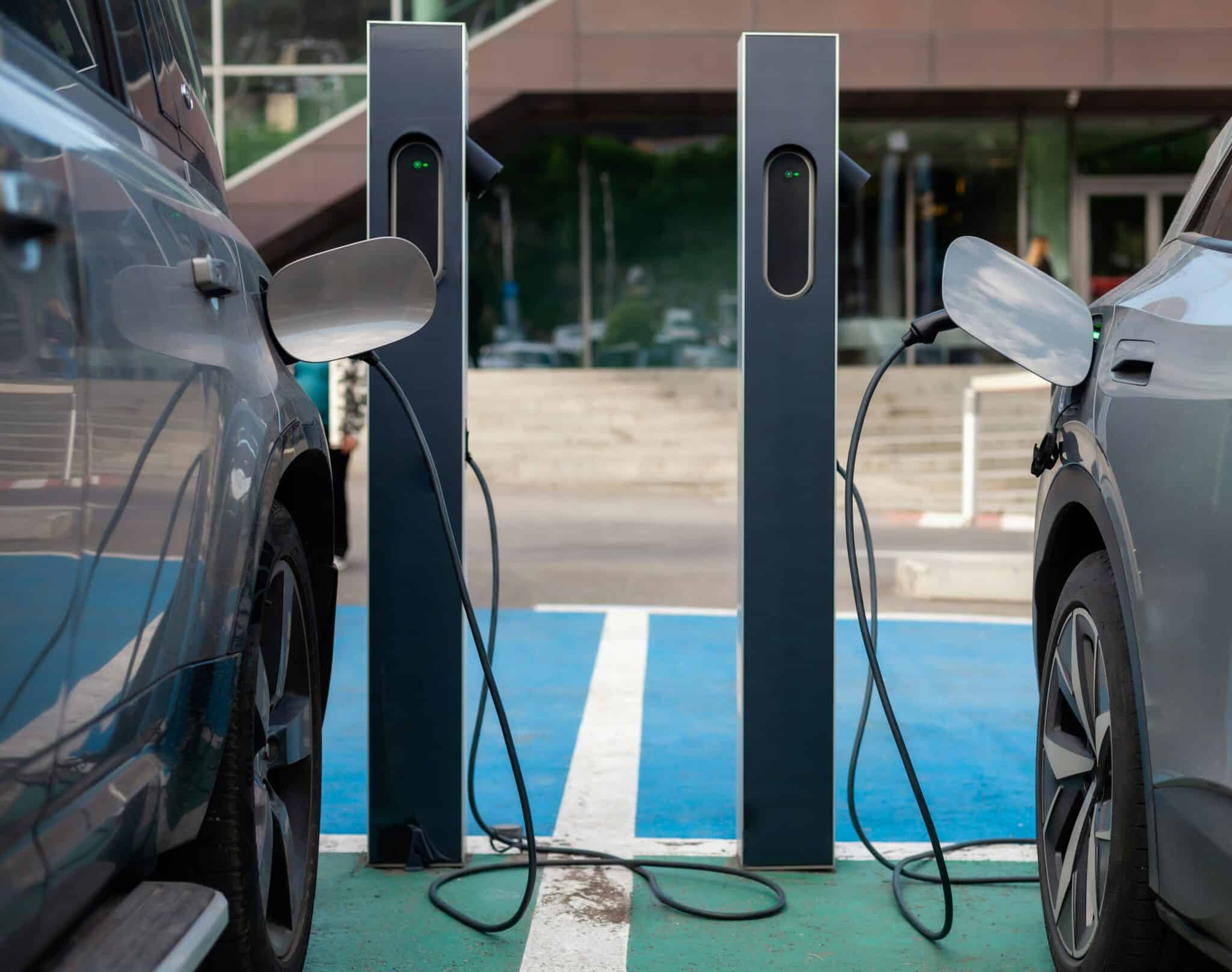
The breakdown matters. €109bn of the total went into the battery supply chain — lithium mining and refining through cell production and end-of-life recycling. €60bn went into EV manufacturing and the retooling of legacy engine plants into electric powertrain assembly. Between €23bn and €46bn went into public charging, with more than one million charge points now deployed across the European Economic Area. On infrastructure alone, the spend has been broadly successful. Range anxiety is no longer the binding constraint it was in 2022.
Join The European Business Briefing
New subscribers this quarter are entered into a draw to win a Rolex Submariner. Join 40,000+ founders, investors and executives who read EBM every day.
SubscribeBattery cells are a different story.
The 600 GWh gap
Of the cell-production capacity announced through 2030, roughly 600 gigawatt-hours has been delayed, scaled back or cancelled. Northvolt’s bankruptcy took the largest single bite. Stellantis-backed ACC paused its Termoli site indefinitely. Volkswagen quietly slowed PowerCo’s expansion timeline. Britishvolt never produced a cell. Aggregate 2030 announced European capacity reads at roughly 1.2 terawatt-hours, but deliverable capacity on current trajectory will land closer to 600-700 GWh — barely half.
Europe now produces batteries for approximately one in three EVs sold within the region. The other two come from China. The International Energy Agency reports that China manufactured more than 80% of all batteries produced globally in 2025.
Why China still wins the supply equation
The structural advantages remain intact. CATL and BYD’s vertically integrated supply chains — from lithium and nickel through cell, module and pack — operate at a scale and capital efficiency European entrants have not yet matched. CATL’s Hungary plant and BYD’s Szeged facility will technically count as European-produced batteries, but the IP, engineering teams and upstream supply chain remain Chinese-controlled. Brussels’ content-of-origin rules will determine whether that distinction matters legally for the 2035 internal combustion ban.
The 2035 problem
The EU’s 2035 prohibition on new internal-combustion sales is the regulatory engine driving the €200bn. If gigafactory delivery does not accelerate sharply between now and 2028, only two outcomes remain possible: the 2035 mandate is quietly watered down under industry pressure — Italy, Germany and France have all signalled flexibility — or Europe accepts permanent strategic dependence on Chinese-produced cells. Both are strategic losses.
Trump’s tariff regime on Chinese EVs has accelerated BYD’s redirection of capacity into Europe. The Mexican workaround that mitigated US tariffs is closed. Europe is the buyer of last resort for Chinese EV oversupply at exactly the moment it is trying to build a domestic alternative.
What to watch
2027 is the inflection year. ACC, PowerCo, InoBat and the surviving European pure-plays all have committed ramp schedules with that horizon. If they deliver, the €200bn figure starts converting into operational capacity. If they slip — as Northvolt did — Europe will enter the late 2020s with a regulatory mandate to electrify and no sovereign capacity to supply it.
The number is €200bn. The question is whether it produces anything.
Related Analysis


