





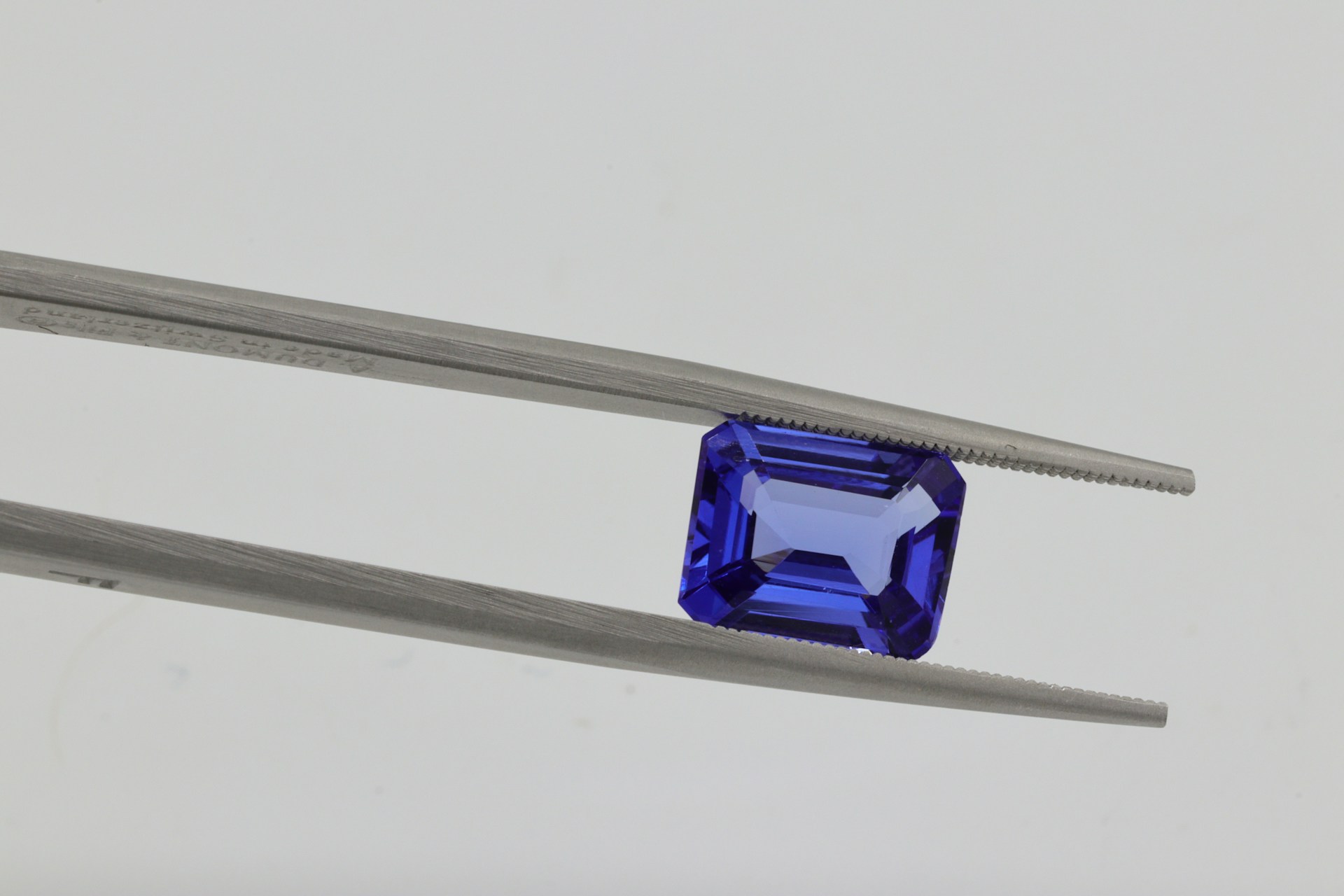
Antwerp’s duty-free access to the American market is over. A 10 per cent tariff is already live — and could rise to 15 per cent — after the US dropped exemptions covering $4.6 billion in EU trade.
QUICK ANSWER
The United States has reimposed tariffs on Belgian diamonds after abandoning exemptions granted under last year’s EU-US trade deal. A blanket 10 per cent duty came into effect on Tuesday 25 February 2026, replacing the zero per cent rate Antwerp had enjoyed since September 2025. The change followed the US Supreme Court’s ruling on 20 February that Trump’s use of the International Emergency Economic Powers Act (IEEPA) was unconstitutional, forcing the administration to impose tariffs under Section 122 of the Trade Act of 1974 — which does not carry forward all previous carve-outs. Trump has threatened to raise the rate to 15 per cent, the maximum allowed under Section 122. Diamonds are not the only casualty: cork from Portugal, aircraft and more than a dozen other previously exempted EU products have also lost their preferential treatment, affecting $4.6 billion in annual EU-US trade.
Join The European Business Briefing
New subscribers this quarter are entered into a draw to win a Rolex Submariner. Join 40,000+ founders, investors and executives who read EBM every day.
SubscribeWhat happened to Antwerp’s tariff-free diamond trade?
In September 2025, the Antwerp World Diamond Centre (AWDC) secured what it called a “tremendous boost” for Belgium’s diamond industry: polished diamonds of EU origin would enter the United States at zero per cent duty, down from 15 per cent. The exemption was part of the broader EU-US Turnberry trade agreement and made Antwerp the only major diamond hub in the world with tariff-free access to the American market.
That advantage is now gone. After the Supreme Court struck down Trump’s IEEPA tariff authority on 20 February, the administration pivoted to Section 122 of the Trade Act of 1974, imposing a blanket 10 per cent global duty. Not all of the exemptions negotiated under the original Turnberry framework have been carried across. Diamonds, cork, aircraft and other products that had been carved out are now subject to the new rate.
The loss is concentrated but significant. The affected exemptions cover $4.6 billion in annual EU trade with the US — less than one per cent of the $633 billion in total EU exports to America in 2025, but disproportionately painful for the specific industries and geographies involved. As we reported in our analysis of why Europe struggles to match the speed of US trade policy, European sectors built around preferential access are structurally vulnerable to unilateral American shifts — and diamonds just proved it.
Why does this matter for Belgium?
Antwerp exports $2.1 billion in polished diamonds to the US annually, making America the destination for roughly 16 per cent of Belgium’s total $3.9 billion diamond trade. About half of those exports are polished in Belgium, qualifying them for the now-defunct EU-origin exemption.
A 10 per cent tariff — potentially rising to 15 per cent — reverses the competitive advantage Antwerp briefly held. Under the zero rate, Belgian diamonds significantly undercut Indian exports, which faced duties of up to 50 per cent (since adjusted to 18 per cent in February 2026). That pricing edge attracted trade and gave Antwerp’s 350 polishing houses their strongest position in years.
The AWDC has previously warned that tariffs on diamonds create cascading costs beyond the headline rate. Stones are routinely shipped between Belgium and the US for certification at American grading laboratories such as GIA. Under tariff conditions, the same diamond can be taxed on entry to the US and again on return to Europe — a double hit unique to an industry where cross-border movement is standard practice. Origin verification, customs documentation and shipment delays compound the damage further, with transshipment penalties of up to 40 per cent for misclassification.
As the FTSE 100 dipped on broader tariff fears and the EU froze ratification of the Turnberry Deal entirely, the diamond industry finds itself back in the uncertainty of early 2025 — before months of AWDC lobbying delivered the exemption that has now been swept away.
What happens next?
The EU has said it expects to be exempted from the new tariff regime, but the legal and political landscape has shifted fundamentally. The European Commission insists “a deal is a deal,” yet the deal’s legal basis no longer exists. European Parliament trade committee chair Bernd Lange has said the situation is “more uncertain than ever.”
Trump has signalled that the 10 per cent rate could rise to the Section 122 maximum of 15 per cent — and has warned that countries which “play games” with the Supreme Court ruling will face higher duties than they previously agreed. For an industry that ships billions in stones across borders annually, every percentage point matters.
The broader signal is clear. The $244 billion in EU trade originally granted carve-outs under the Turnberry agreement now sits on uncertain ground. Diamonds, cork and aircraft are the first casualties. They are unlikely to be the last. As we explored in our coverage of Europe’s $24 trillion payments sovereignty push, the EU’s dependence on American-controlled infrastructure — whether payment rails or trade frameworks — remains its greatest strategic vulnerability.
Frequently Asked Questions
What tariff do Belgian diamonds now face entering the US?
A blanket 10 per cent duty came into effect on 25 February 2026, replacing the zero per cent exemption Antwerp had held since September 2025. President Trump has threatened to raise the rate to 15 per cent, the maximum permitted under Section 122 of the Trade Act of 1974.
Why did the exemption disappear?
The US Supreme Court ruled on 20 February that Trump’s use of IEEPA to impose tariffs was unconstitutional. The administration switched to Section 122, which imposes a uniform global rate and does not carry forward all exemptions negotiated under the original EU-US Turnberry trade deal.
How much EU trade is affected beyond diamonds?
The loss of exemptions affects $4.6 billion in annual EU-US trade, covering diamonds, cork from Portugal, aircraft and more than a dozen other product categories. This represents less than one per cent of the $633 billion in total EU exports to the US in 2025, but the impact is concentrated in specific sectors and regions.


