





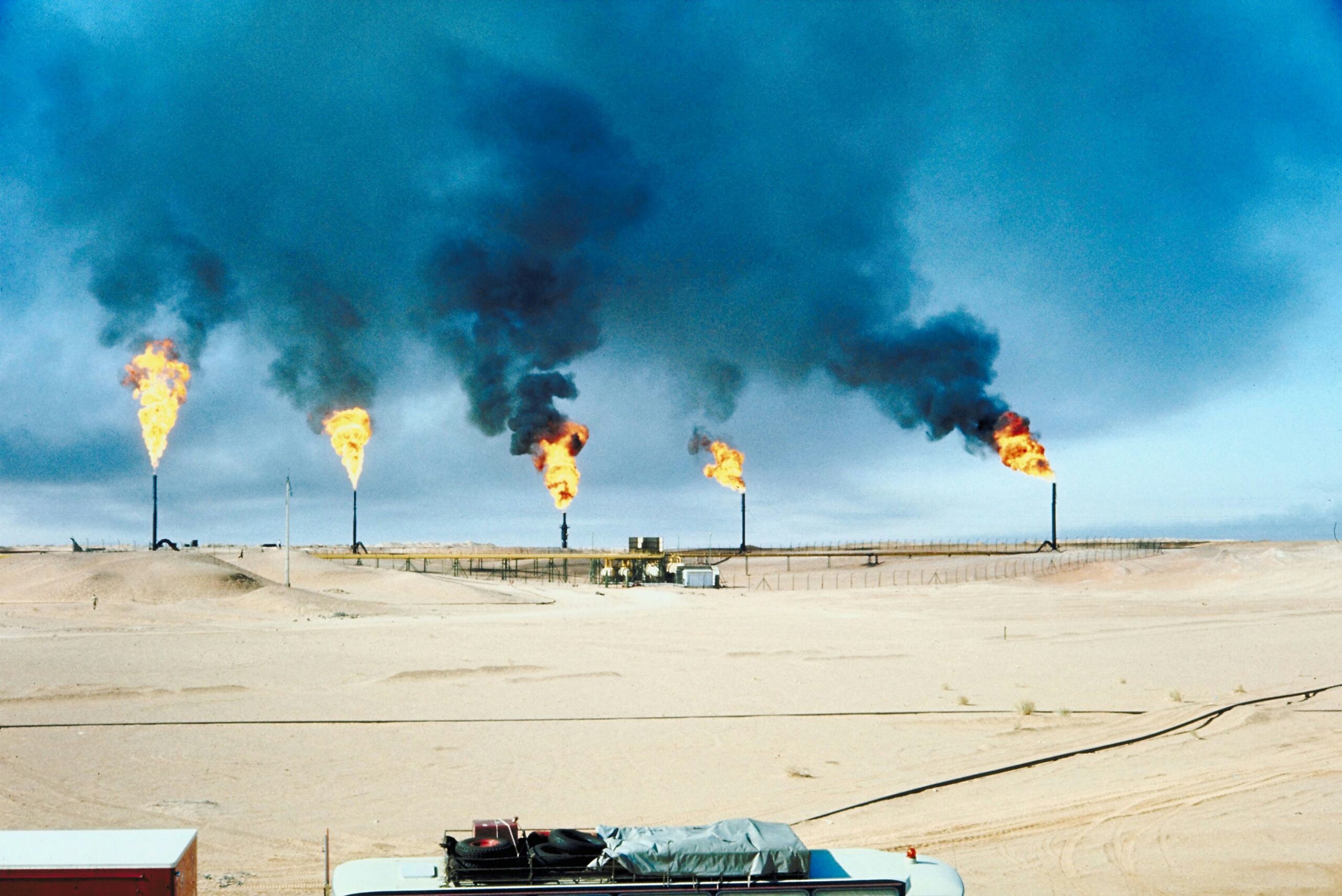
Quick Answer The United States and Iran agreed a two-week ceasefire on April 7, with Iran committing to safe passage through the Strait of Hormuz during the truce period. Oil fell 16% on the news. Stocks surged. But the ceasefire is conditional, temporary and leaves every structural question about the conflict unresolved. For oil markets, the relief is real but the recovery will be slow. For investors, the next two weeks may be the most dangerous period of the entire crisis — not because escalation is likely, but because markets are pricing a resolution that has not yet been agreed.
EBM Exclusive Take With 90 minutes until his deadline expired, Donald Trump posted on Truth Social that he had agreed to suspend attacks on Iran for two weeks — subject to Iran’s “complete, immediate and safe opening” of the Strait of Hormuz. He declared total and complete victory. Iran’s Supreme National Security Council simultaneously declared an “undeniable, historic and crushing defeat” for the United States. Both statements cannot be true. As it happens, neither is.
What actually happened on April 7 is this: a war that should never have been fought, triggered by an escalation that neither side fully controlled, has been paused by a ceasefire that neither side is fully committed to, brokered by Pakistan, which has no enforcement mechanism, and is conditional on an agreement about the Strait that has not yet been finalised. That is not victory. That is not defeat. That is an exhausted standoff dressed in the language of triumph. Oil markets responded by pushing Brent above $97 within 24 hours, a level that reflects no confidence whatsoever in the truce’s durability.
Join The European Business Briefing
New subscribers this quarter are entered into a draw to win a Rolex Submariner. Join 40,000+ founders, investors and executives who read EBM every day.
SubscribeWhat the Ceasefire Actually Achieved
The immediate achievement is genuine and should not be minimised. The Strait of Hormuz closure represented the largest oil supply disruption in recorded history according to the IEA — removing 12 to 15 million barrels per day from global markets and sending oil above $117 a barrel. Five weeks of that shock caused real economic damage: inflation spiked, rate cut timelines were pushed back, and European businesses are now absorbing the cost of that miscalculation through record North Sea pricing, with energy bills that will take months to normalise across the continent.
Ending that shock — even temporarily — matters. The 16% single-session collapse in oil prices, the 1,000-point Dow futures surge, the rally in Asian and European equities — these are proportionate responses to genuine relief. A ceasefire is better than continued war. That much is simply true.
But ceasefire and resolution are different things. Iran has agreed to safe passage through the Strait during the two-week period — but stated that transit must be “coordinated with the Iranian Armed Forces.” That means Iran retains effective operational control over who passes through even during the truce. It is not a return to the pre-war status quo. It is a managed, conditional pause in which Iran has implicitly preserved the leverage it demonstrated during the conflict.
The Oil Market Reality
Even after Tuesday’s dramatic price collapse, WTI crude remains more than 70% above its pre-war level. The infrastructure damage across the Gulf — refineries struck by drone and missile attacks, Saudi Aramco’s Juaymah terminal still not fully operational, pipeline capacity across Iraq and Kuwait still impaired — does not repair itself because a ceasefire has been agreed. According to Reuters, the IEA has estimated that even under an optimistic scenario, full supply restoration is a 2027 story at the earliest.
The oil futures market is currently pricing a swift return toward $80-90 per barrel by the end of 2026. That pricing assumes the ceasefire becomes a framework, the framework becomes a permanent deal, and the Strait returns to pre-war transit volumes without significant friction. Each of those assumptions is contestable. Iran’s foreign minister has made clear that “complete cessation of hostilities and full lifting of sanctions” remain Tehran’s preconditions for a permanent agreement — conditions Washington has not accepted and shows no immediate sign of accepting.
What Investors Should Actually Do
The honest answer is: be cautious. The smart money was buying government bonds and positioning for the growth shock rather than chasing the relief rally — and that positioning was not wrong just because a ceasefire was announced. The damage already done to supply chains, inflation expectations and corporate earnings does not reverse in two weeks.
Three specific risks that investors are underpricing right now:
First, the ceasefire expires in two weeks. If negotiations have not produced a framework by then, the binary risk returns — potentially in a more acute form, because Iran has demonstrated its ability to close the Strait and will have two weeks of ceasefire to repair some of its damaged infrastructure.
Second, the political conditions that produced the war have not changed. The Iranian regime remains under maximum pressure from US sanctions. The domestic political incentive to demonstrate strength remains. The US military remains in the region with a significant operational footprint. The conditions for re-escalation are structurally intact.
Third, the inflation damage is sticky. Even with oil falling toward $95-100 per barrel, energy costs across Europe and the United States remain significantly elevated relative to February 2026. Central banks are not going to cut rates because oil fell 16% in a single session. The higher-for-longer rate environment that has been weighing on equities and property markets has not been resolved by a two-week pause.
The ceasefire is welcome. The war was foolish and costly and the pause is better than its continuation. But investors who are rotating aggressively back into risk assets on the assumption that this two-week truce represents the end of the crisis are making a significant assumption on very limited evidence.
The clock has been reset. It now reads two weeks.
Related Analysis


