





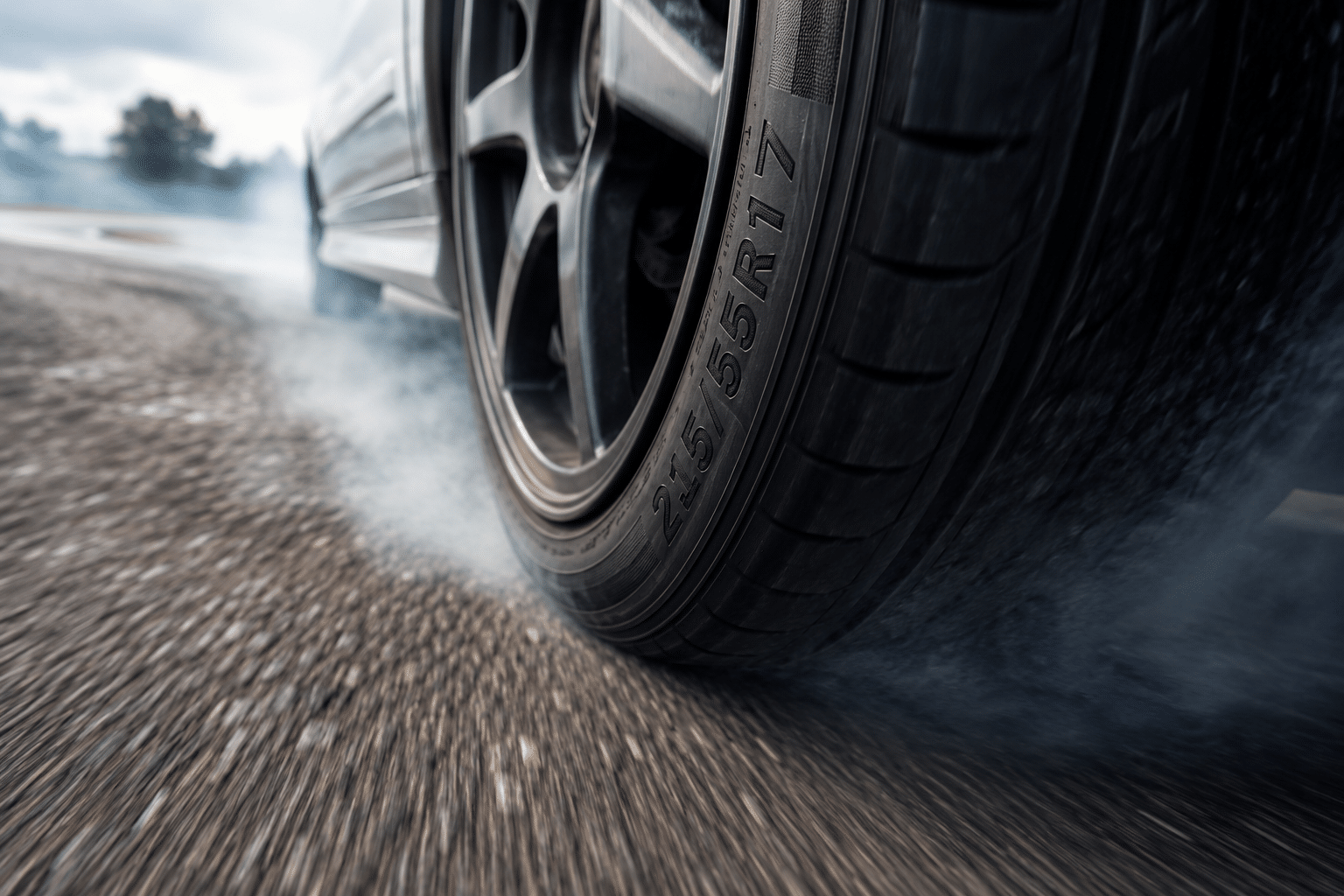
The 215/55R17 tire size fits a wide range of mid-size and compact crossovers, sedans, and SUVs, making it one of the most versatile fitments on the road. Understanding what these numbers mean, which vehicles use this size, and how to select the right performance tire for your specific needs separates a good tire purchase from one that compromises your vehicle’s safety and handling. This guide walks you through the complete fitment specifications, compatible vehicles, and the best performance tire options available in 2026.
Understanding 215/55R17 Tire Specifications
The 215/55R17 designation provides specific information about tire dimensions. The first number, 215, represents tire width of 215 millimeters, which converts to 8.5 inches measured from sidewall to sidewall at the widest point. This width measurement is crucial because it determines your vehicle’s contact patch size and affects handling characteristics directly.
The second number, 55, indicates the aspect ratio, which means the sidewall height equals 55 percent of the tire’s width. With a 215mm width, this gives you a sidewall height of approximately 118mm or 4.65 inches. This mid-range aspect ratio balances ride comfort with responsive handling, making it ideal for performance oriented drivers who still want everyday drivability.
Join The European Business Briefing
New subscribers this quarter are entered into a draw to win a Rolex Submariner. Join 40,000+ founders, investors and executives who read EBM every day.
SubscribeThe letter R stands for radial construction, the standard for all modern passenger vehicle tires. Radial construction means the tire’s internal cords run perpendicular to the direction of travel, providing better fuel efficiency, cooler operating temperatures, and improved handling compared to older bias-ply designs.
The final number, 17, specifies the wheel diameter in inches. A 215/55R17 tire fits on 17-inch diameter wheels exclusively. The overall diameter of a 215/55R17 tire measures 26.3 inches, with a circumference of 82.6 inches. This tire completes approximately 767 revolutions per mile, information that matters for speedometer accuracy and vehicle performance calibration.
Wheel Width and Fitment Requirements
The 215/55R17 tire size is generally approved for mounting on wheels measuring 6 inches to 7.5 inches in width. This range ensures proper tire sidewall support and consistent performance across different wheel designs. Using wheels outside this range can cause handling issues, uneven wear patterns, and potential tire failure.
Always verify your vehicle’s specific wheel width before purchasing new tires. Your vehicle’s door jamb placard lists the original equipment tire and wheel size specifications. If you have aftermarket wheels, confirm their width measurement matches the tire size requirements. Wheels that are too narrow cause excessive sidewall flex and poor handling, while wheels that are too wide stretch the tire beyond its design parameters.
Vehicles That Use 215/55R17 Tires
The 215/55R17 size equips a surprisingly diverse range of vehicles spanning from compact crossovers to full size sedans and minivans. Mid-size crossover and SUV models including Toyota Highlander, Honda Pilot, Mazda CX-5, and Nissan Pathfinder commonly use this size. Sedan models including Toyota Camry, Honda Accord, Nissan Maxima, and Chrysler 300 use 215/55R17 for their standard or optional wheel packages.
Minivans including Chrysler Pacifica and Honda Odyssey frequently come equipped with 215/55R17 tires, balancing the vehicles’ weight with responsive handling needs. Compact crossovers like Mazda CX-30, Subaru Outback, and Hyundai Santa Fe also use this size across various trim levels. Always check your specific vehicle model year in your owner’s manual or on the door jamb placard to confirm 215/55R17 is an approved fitment for your vehicle.
Proper Tire Pressure and Load Rating
Most 215/55R17 tires carry a load index of 98, meaning each tire safely supports 1,550 pounds under proper inflation. Four tires therefore support a combined 6,200 pounds, adequate for most vehicles using this size. Your vehicle’s specific load requirements appear in the door jamb placard alongside the tire size specification.
Recommended tire pressure for 215/55R17 tires typically ranges from 32 to 35 PSI, but always defer to your vehicle manufacturer’s specification found in the door jamb placard or owner’s manual. Proper inflation ensures optimal tire life, fuel efficiency, and handling performance. Under-inflation by just 5 PSI reduces tire life by 15 percent and increases rolling resistance, harming fuel economy. Over-inflation reduces the contact patch, compromising wet weather traction and ride comfort.
Safe Tire Size Substitutes and Alternatives
Replacement tires must stay within 3 percent of the original tire’s overall diameter to maintain speedometer accuracy and vehicle handling characteristics. For 215/55R17 tires with a 26.3 inch diameter, acceptable alternatives include 225/50R17 which measures 26.0 inches in diameter, or 205/60R17 which measures 26.6 inches. These minimal diameter variations fall within acceptable tolerances.
Never substitute significantly different tire sizes without manufacturer approval. Doing so affects speedometer accuracy, transmission shift points, and vehicle handling in unpredictable ways. If you want to change your tire size, consult your vehicle manufacturer’s specifications to determine which alternatives are approved for your specific model and year.
Best 215/55R17 Performance Tire Options for 2026
When selecting performance tires in the 215/55R17 size, prioritize options that deliver responsive handling, confident wet braking, and adequate tread life for daily driving. GT Radial CHAMPIRO UHP AS provides excellent value, delivering ultra-high performance all-season capability at competitive pricing, backed by European OEM partnerships with Citroën, Peugeot, and Dacia.
Continental ExtremeContact DWS06 PLUS offers premium performance with impressive handling scores and proven wet weather capability, suitable for drivers willing to invest in top-tier performance. Michelin Pilot Sport 4S represents the pinnacle of summer performance with exceptional dry and wet grip, ideal for drivers in warm climates who don’t require all-season capability.
Goodyear Eagle F1 Asymmetric provides balanced all-season performance with adequate winter traction through M+S rating. Hankook Ventus Prime2 K115 delivers solid performance at mid-range pricing, incorporating advanced silica compounds that enhance both fuel efficiency and all-season capability.
Frequently Asked Questions About 215/55R17 Tires
What does 215/55R17 mean?
The 215 indicates tire width of 215 millimeters (8.5 inches) measured from sidewall to sidewall. The 55 represents the aspect ratio, meaning sidewall height equals 55 percent of the tire’s width, giving 118mm or 4.65 inch sidewalls. The R denotes radial construction, the standard for modern tires. The 17 specifies the wheel diameter in inches. Together, these numbers ensure you select the correct tire that fits your vehicle’s wheels and provides proper performance characteristics.
Can I use a different tire size on my vehicle?
Replacement tires should stay within 3 percent of your original tire’s overall diameter to maintain speedometer accuracy and handling. For 215/55R17 with a 26.3 inch diameter, 225/50R17 or 205/60R17 represent acceptable alternatives. Always consult your vehicle owner’s manual or manufacturer before changing tire sizes. Using significantly different sizes can affect transmission calibration, speedometer readings, and vehicle handling in unpredictable ways.
What wheel width do 215/55R17 tires require?
The 215/55R17 tire size is approved for wheels measuring 6 inches to 7.5 inches wide. Wheels outside this range cause improper sidewall support and can result in handling problems or tire damage. If you have aftermarket wheels, verify their width specification matches these requirements before purchasing new tires.
How often should I check tire pressure?
Check tire pressure monthly when tires are cold, meaning the vehicle has been parked for at least three hours. Cold pressure readings are most accurate since driving heats the tires and increases internal pressure by 3 to 5 PSI, providing misleading measurements. Maintain the pressure specified in your vehicle’s door jamb placard, typically 32 to 35 PSI for most vehicles using 215/55R17 tires. Seasonal temperature changes of 10 degrees Fahrenheit affect tire pressure by approximately 1 PSI, so adjustment between seasons may be necessary.
When should I replace my 215/55R17 tires?
Replace tires when tread depth reaches 4/32 inch for optimal wet weather safety, measured using a tread depth gauge or the penny test. Insert a penny into the tread groove with Lincoln’s head upside down. If you can see the top of Lincoln’s head, tread depth is below 2/32 inch, the legal minimum requiring immediate replacement. Additional indicators for replacement include visible tread wear bars flush with the tread surface, uneven wear patterns suggesting alignment or inflation issues, sidewall cracks or bulges compromising structural integrity, or age exceeding 6 years regardless of tread depth remaining.
Do all 215/55R17 tires have the same load capacity?
Most 215/55R17 tires carry a load index of 98, supporting 1,550 pounds per tire or 6,200 pounds for a complete set of four. Some performance tires may carry higher load indexes suited for specific vehicles. Always verify the load index on your tire sidewall matches or exceeds your vehicle manufacturer’s specification. Heavier vehicles or those carrying frequent loads may require tires with higher load indexes to maintain proper safety margins.
Making the Right 215/55R17 Tire Choice
Understanding the 215/55R17 fitment specification ensures you select appropriate replacement tires that maintain your vehicle’s safety and performance characteristics. The tire size’s specifications tell you exactly what will fit and how the tire will perform on your specific vehicle. Verify your vehicle’s exact fitment in the door jamb placard before shopping for replacement tires.
When selecting performance tires in the 215/55R17 size, consider your climate, driving style, and budget constraints. Value-conscious buyers find solid performance in options like GT Radial CHAMPIRO UHP AS. Those prioritizing premium performance select Continental ExtremeContact DWS06 PLUS or Michelin Pilot Sport 4S. All-season drivers appreciate Goodyear Eagle F1 Asymmetric or Hankook Ventus Prime2.
Proper maintenance extends tire life and ensures consistent performance. Check pressure monthly, maintain manufacturer specifications, rotate tires every 6,000 to 8,000 miles, and verify wheel alignment annually. Replace tires proactively at 4/32 inch tread depth rather than waiting until legal minimum is reached. Following these practices maximizes safety and tire investment value across the entire service life of your 215/55R17 tires.


