





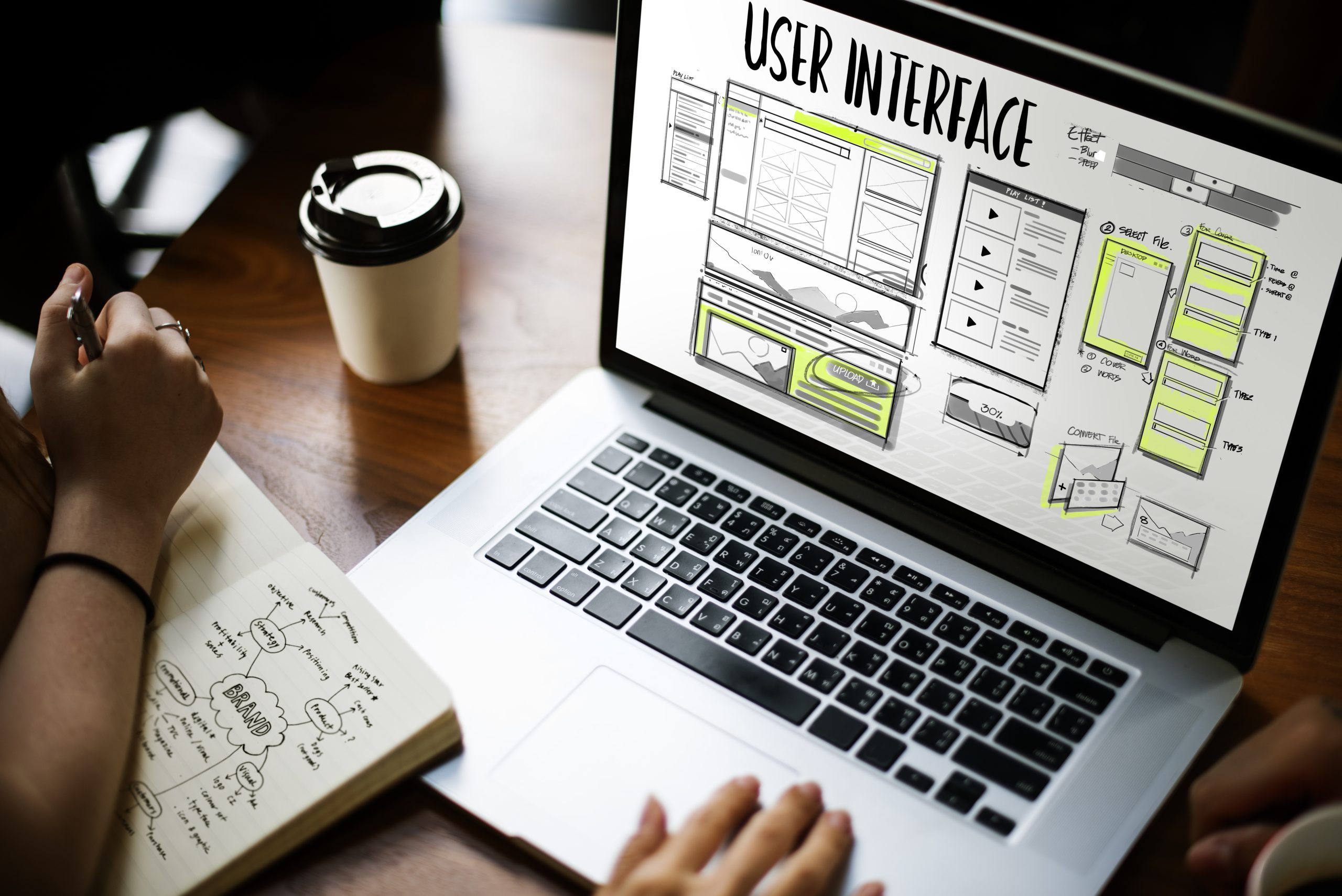
Accessible web design certifies that all visitors including those with disabilities and limited access to the internet can use and benefit from the website. Accessibility is a vital aspect of the design cycle; therefore, website designers must consider it throughout the development process.
Web accessibility encompasses all kinds of disabilities that affect the use or access to the internet in any way including:
- auditory
- speech
- visual
- cognitive
- neurologic
- physical
The article explains why accessibility matters and why it is important in the design and development of websites.
Join The European Business Briefing
New subscribers this quarter are entered into a draw to win a Rolex Submariner. Join 40,000+ founders, investors and executives who read EBM every day.
SubscribeWhy Accessibility Matters
Accessible websites display content including font, images, buttons, etc. through multiple sensory channels. They integrate numerous methods of site interactivity and navigation beyond the traditional point-and-click interfaces. These means of navigation include voice-based navigation and keyboard-based controls.
The combination of these mediums allows disabled users to access the same information in the same manner as any normal users. By implementing the best accessibility practices, you ensure that all the users get an equitable user experience regardless of disabilities.
When websites are not accessible, businesses cut off access to a large number of visitors, which reduces the opportunity and possibility of conversion.
That’s why it is important to hire expert website developers as they pay extra attention to accessibility practices throughout the development phase. When designing a website, ask yourself a few questions:
- Would someone with visual impairment or colour blindness be able to check all the details in the UI?
- Would someone with mobility challenges or a lack of motor skills be able to navigate the site?
- Would someone who has hearing difficulties able to get the alerts and notifications in your app?
Accessibility Best Practices – A Quick Look
Whether you are making a dynamic website or a single-page application, you must keep in mind the following accessibility practices:
- Functionality must be accessible through keyboard and mouse
- Don’t use colours as the only visual element to convey information
- Maintain a proper contrast between the text and background
- Use labels with form fields and inputs
- Use alternative text (alt text) for images
- Use proper heading markup for content throughout the website
- Provide transcripts for podcasts and video content
- Integrate the skip navigation feature in the site
Want Accessible Websites? How to Get It?
Website accessibility has become more important than ever. With the goal of providing equal opportunities and user experiences for everyone, businesses are focusing on creating inclusive websites that meet accessibility standards.
If you’re planning to develop an accessible and user-friendly site, consider partnering with a website development agency Manchester that understands accessibility principles and can design digital experiences for all users. Incorporating accessibility into your design process not only improves usability but also contributes to a more inclusive and ethical online environment.
By embracing accessibility from the very start of your web development project, you ensure your website is welcoming, compliant, and valuable to all visitors.


