





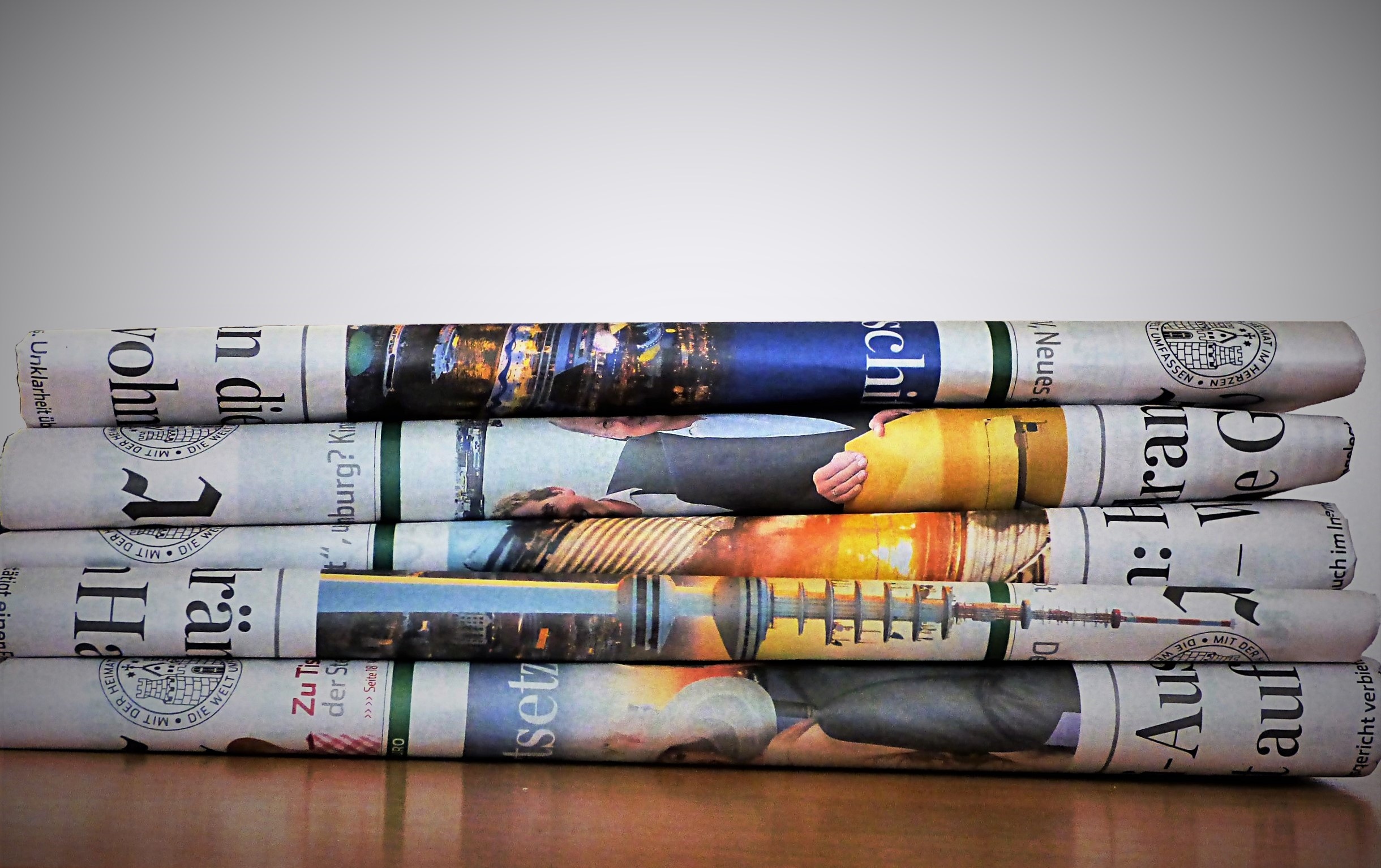
When Watergate turned reporting into a public event, it also raised the value of attention. Readers were coming back because the work felt risky, useful, and worth their time. That old lesson matters again because publishers no longer live in a market where a rectangle at the top of the page can quietly pay the bills. In that setting, a publisher monetization platform is less about stuffing in more ads and more about deciding which demand belongs on which page, in front of which reader, at which moment.
The Watergate era left behind more than a famous scandal. It helped cement the idea that journalism earns attention when it uncovers something real and gives the public a reason to return tomorrow. That attention used to spill into print ads almost by default. Now it does not. A visit can be brief, split across tabs, and shaped by habits like banner blindness or blocking, which means even visible inventory can feel dead on arrival.
Back When Strong Reporting Helped Sell the Page
In the print years, trust and ad sales were not the same thing, but they worked side by side. A paper with a strong name could sell the audience and the setting at once. Ads borrowed some of the paper’s authority simply by sitting next to reported stories. That bargain made sense because scarcity helped. There were fewer places to put a message, and fewer places for readers to look away. Legacy news brands also retained a trust edge over social platforms as the digital shift picked up, which shows how much the reading environment still matters.
Join The European Business Briefing
New subscribers this quarter are entered into a draw to win a Rolex Submariner. Join 40,000+ founders, investors and executives who read EBM every day.
SubscribeIn digital era, reach grew, but supply exploded with it. By 2023, digital channels were expected to make up more than two-thirds of total U.S. ad spending, which sounds like great news until a publisher remembers who captured most of that money. As digital ad spend climbed, the open web page became a crowded market where inventory multiplied faster than loyalty. Therefore the simple banner, once a basic revenue unit, started to look cheap on too many sites.
What Banner Blindness Did to Publisher Revenue
A banner can still work, but it no longer carries the whole business on its own. Readers have trained themselves to skip standard placements, and many pages now compete with feeds, alerts, short video, and search results before the article even settles on screen. TechTarget notes that standard placements helped create broad banner blindness and falling click-through rates, which is a neat way of saying people learned where not to look.
That shift changed the economics of publishing:
- The page got heavier while the ad worked less.
- The reader felt interrupted instead of served.
- The publisher lost pricing power because the inventory started to look interchangeable.
Once the reading experience worsens, the next visit becomes less likely, and cheap impressions get even cheaper.
Publishers reacted by chasing other revenue lines: subscriptions, events, licensing, commerce, newsletters, and branded content. Some large news groups proved that bundles can cushion weak ad markets. The New York Times, for example, reported subscriber gains while advertising stayed under pressure, and it kept pushing multi-product bundles to steady the business. However, not every publisher can build a giant subscription machine. Local outlets, trade titles, and mid-sized media brands still need advertising to work harder, not louder.
What Smarter Monetization Looks Like
The better answer is better matching. A publisher monetization service should read the page, the device, the user signal, the floor price, and the likely effect on experience before it decides what to show. Professional companies, like SmartyAds, understand that the value is in sorting demand with care so one extra ad does not end up damaging the article that made the visit worth having in the first place.
A modern setup has to do more than fill space. It needs to protect the page while selling it. In practice, the strongest publisher monetization platforms tend to do four jobs at once:
- Rank bids by fit as well as price.
- Protect reading flow so the ad does not punish loyalty.
- Give the publisher tighter control over partners, floors, and formats.
- Leave room for direct deals, private auctions, and sponsored demand to live together.
This is also where the public-trust side of the story comes back. When people give time to reliable news, the publisher is selling more than pixels. It is selling timing, setting, and trust. Good monetization respects that. Bad monetization burns it down for a quick bump. Companies, such as SmartyAds, have tools that see the difference between a valuable environment and a disposable page view.
None of this means display is dead. It just means lazy display is expensive. A page filled with cheap inventory can lose the very thing that makes media worth buying, reader trust. That is why ad monetization solutions now need to do two jobs at once: protect revenue today and preserve attention for tomorrow. Moreover, the best setups do not pretend every site should monetize the same way. A local news page, a finance outlet, and a niche B2B publication are all selling different kinds of attention, so each needs different rules, partners, and pacing.
Conclusion
Watergate reminds publishers what made attention valuable in the first place. People gave time to reporting they trusted and banner fatigue did not kill that idea. It simply exposed how weak the old habit of selling easy page space had become. Publishers still need ads, but they need ads arranged with more care, sharper pricing, and more respect for the reading moment. When the revenue setup protects trust while selling inventory intelligently, it is not just improving yield. It is defending the business case for public attention.


