





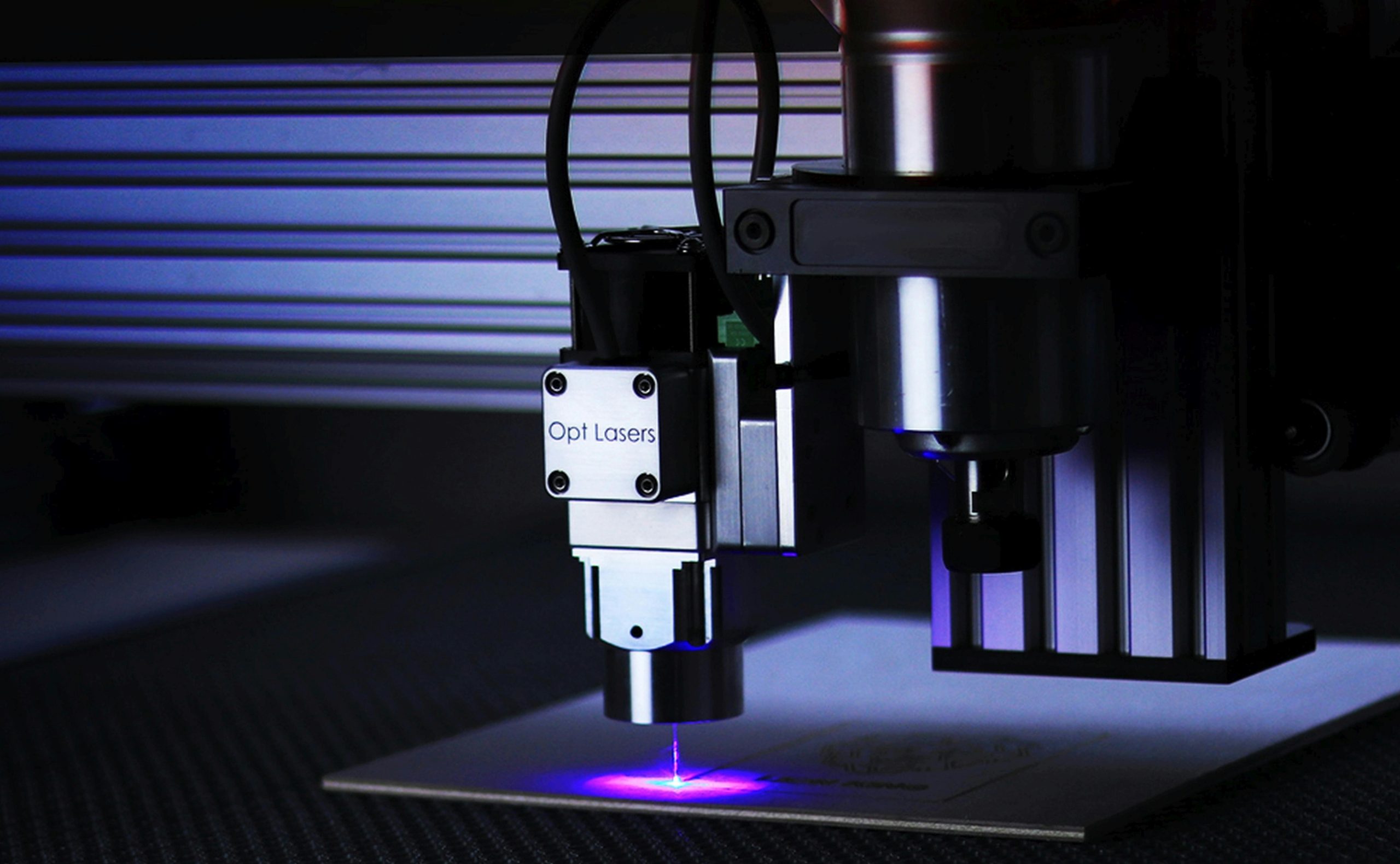
In small-scale manufacturing, efficiency, precision, and cost-effectiveness are paramount. While traditional cutting methods such as sawing, punching, and milling have long dominated the industry, laser cutting technology is increasingly carving out a niche for itself. Beyond the obvious advantages of accuracy and speed, there are several hidden benefits of integrating laser cutting into small-scale manufacturing operations.
One of the most significant advantages of laser cutting is its ability to deliver unparalleled precision. Small manufacturers often work on intricate components where even minor errors can lead to material wastage or flawed products. Unlike mechanical cutting methods that may produce uneven edges or require multiple passes, laser cutting offers a clean, precise cut in a single operation. This level of accuracy not only reduces material waste but also minimizes the need for post-processing, saving both time and money.
Flexibility for Small-Batch Production
Join The European Business Briefing
New subscribers this quarter are entered into a draw to win a Rolex Submariner. Join 40,000+ founders, investors and executives who read EBM every day.
SubscribeAnother understated benefit is flexibility. Small-scale manufacturers frequently deal with low-volume, customized orders. Traditional cutting tools often require setup changes for different materials or designs, resulting in downtime and increased labor costs. Laser cutting, by contrast, can handle a variety of materials, from metals and plastics to wood and composites, without changing tooling. This adaptability allows manufacturers to switch between projects quickly, accommodating bespoke designs and small-batch production efficiently.
Efficiency and Workflow Improvements
In addition to precision and flexibility, laser cutting enhances overall workflow efficiency. Because laser cutting is a non-contact process, there is minimal wear and tear on equipment. This not only prolongs the life of machinery but also reduces maintenance costs. Moreover, laser cutters can operate continuously with minimal supervision, freeing up skilled staff to focus on other critical aspects of production, such as quality control or assembly. The cumulative effect is a smoother production process with fewer bottlenecks and a faster turnaround for client orders.
Safety and Environmental Advantages
Safety and environmental considerations are also compelling reasons for small manufacturers to adopt laser cutting. Traditional cutting methods often generate dust, sharp edges, or other hazards that require additional safety measures. Laser cutting, being a contactless technology, reduces the risk of accidents and can produce less waste, aligning with increasingly stringent environmental standards. This not only protects workers but can also enhance a company’s reputation as a responsible and forward-thinking manufacturer.
Enhancing Capabilities with CNC Integration
For small manufacturers looking to maximize the potential of laser cutting, integrating advanced CNC systems can further enhance precision and efficiency. For instance, businesses seeking to upgrade their production capabilities might consider an Opt Lasers CNC laser. This technology combines the precision of laser cutting with the automation of CNC machinery, enabling even more complex designs to be executed with minimal human intervention. The result is a seamless blend of speed, accuracy, and versatility that can transform small-scale production.
Strategic Advantages of Laser Cutting
In conclusion, while laser cutting is often praised for its speed and precision, the hidden benefits, such as workflow efficiency, flexibility, safety, and sustainability, make it particularly valuable for small-scale manufacturers. By investing in modern laser technologies, businesses can not only improve product quality and reduce costs but also position themselves to compete in an increasingly dynamic market. The adoption of laser cutting is no longer just an option; it is a strategic move that can redefine the way small-scale manufacturing operates.


