





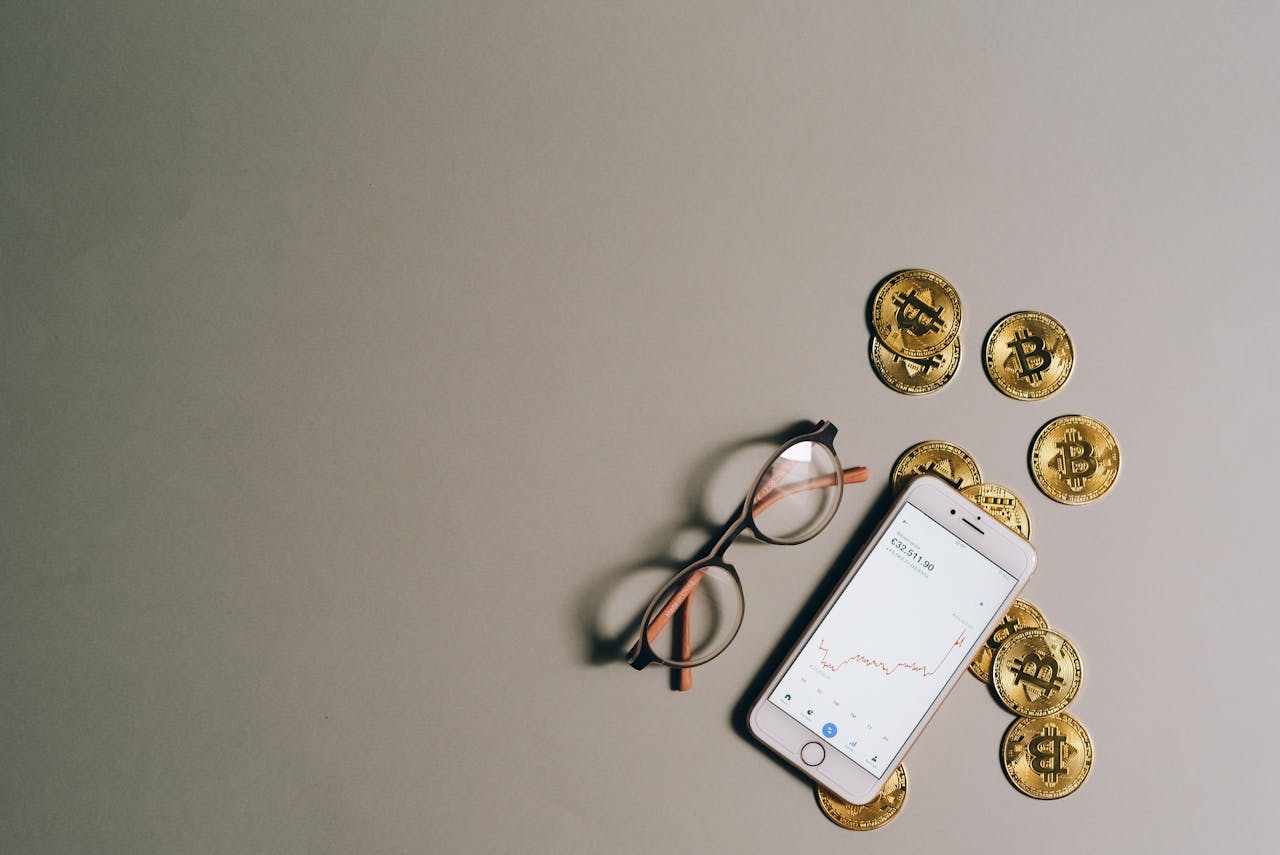
The cryptocurrency world attracts millions of investors eager to explore its opportunities. But it is not all that easy, as investing in crypto comes with risks, particularly in terms of security and privacy.
Before diving into security measures, many investors start by exploring cryptocurrency-friendly platforms. This is especially true for punters at crypto casinos, who are concerned about their privacy and how their data will be used. This guide to no-KYC casinos offers good options for those interested in gaming with crypto. Regardless of how you plan to use your digital assets, you’ll need to protect them and your personal information for a safe and successful experience.
Start with a secure wallet
Hardware wallets stand as the most secure option for cryptocurrency storage; Ledger and Trezor lead the market with strict security standards. These devices store private keys offline, beyond the reach of internet-based attacks.
Join The European Business Briefing
New subscribers this quarter are entered into a draw to win a Rolex Submariner. Join 40,000+ founders, investors and executives who read EBM every day.
SubscribeMetaMask and Exodus offer solid alternatives for desktop and mobile users through advanced encryption and security features. Successful investors often maintain multiple wallets for different purposes.
Your recovery phrase must stay on paper; never in digital form. A fireproof safe protects this critical backup from physical and digital threats. Smart investors distribute recovery phrases across multiple secure locations. USB drives with strong encryption add an extra backup layer when stored properly in separate physical spaces.
Many investors use steel plates to engrave their phrases as they resist fire, water, and physical damage more effectively than paper. Regular testing of recovery procedures confirms backup effectiveness. Memorization of passphrases adds a final security barrier.
Protect your identity when transacting
Cryptocurrency transactions need specific privacy measures. Peer-to-peer platforms such as LocalBitcoins or Bisq demand less personal information than standard exchanges. These platforms balance privacy with legitimate trading needs through minimal verification requirements. Advanced platforms offer escrow services for large transactions.
Privacy coins (Monero and Zcash) offer built-in protection features. Their protocols mask transaction details and wallet addresses from public view. More advanced users implement coin mixers to break tracking attempts between wallets. Separate addresses for different transaction types create additional privacy barriers. Chain analysis tools reveal potential privacy weaknesses.
VPN services add protection during exchange access and portfolio management. Premium providers run strict no-log policies and encrypt all traffic. This prevents IP tracking and blocks surveillance attempts.
Top-tier VPNs rotate servers automatically to maintain anonymity. Physical security tokens provide another layer of protection for high-value accounts. Multi-jurisdictional VPN servers increase privacy.
Stay vigilant against scams and phishing
Cryptocurrency scams evolve fast with sophisticated methods. Fake websites mirror legitimate platforms with perfect accuracy. Bookmark authentic exchange URLs and verify addresses character by character. Password managers with built-in authentication prevent access to spoofed sites and browser extensions detect known scam domains.
Social media overflows with fraudulent investment schemes. Scammers push time pressure and promise guaranteed profits. Every investment opportunity needs thorough verification through multiple sources.
Direct messages about crypto deals signal potential fraud; legitimate projects never solicit through private messages. Public blockchain explorers reveal suspicious transaction patterns and flag known scam addresses, while anti-virus software blocks malicious crypto-mining scripts.
Adopt best practices for account security
Strong account security starts with two-factor authentication on all platforms. Google Authenticator and Authy provide superior protection compared to SMS codes. Hardware security keys offer maximum account safety through physical verification requirements and biometric authentication adds convenience without security compromise.
Each cryptocurrency service requires a unique password to minimize security risks. Use a password manager to simplify this process and get strong, complex passwords. You can also use them to store passwords securely. Additionally, setting up a dedicated email address for your crypto accounts reduces exposure to phishing attempts and other forms of cyberattacks.
ProtonMail uses end-to-end encryption to secure sensitive communications. IP address monitoring tools identify unauthorized access attempts, while time-based access restrictions prevent unusual login activity.
Exchange accounts often face significant attack risks, making private wallets a safer option for securing funds after trades. Cold storage solutions keep long-term investments safe by storing them offline, away from online threats. Regular security audits reveal potential vulnerabilities and address them before attackers can exploit any weaknesses.


