





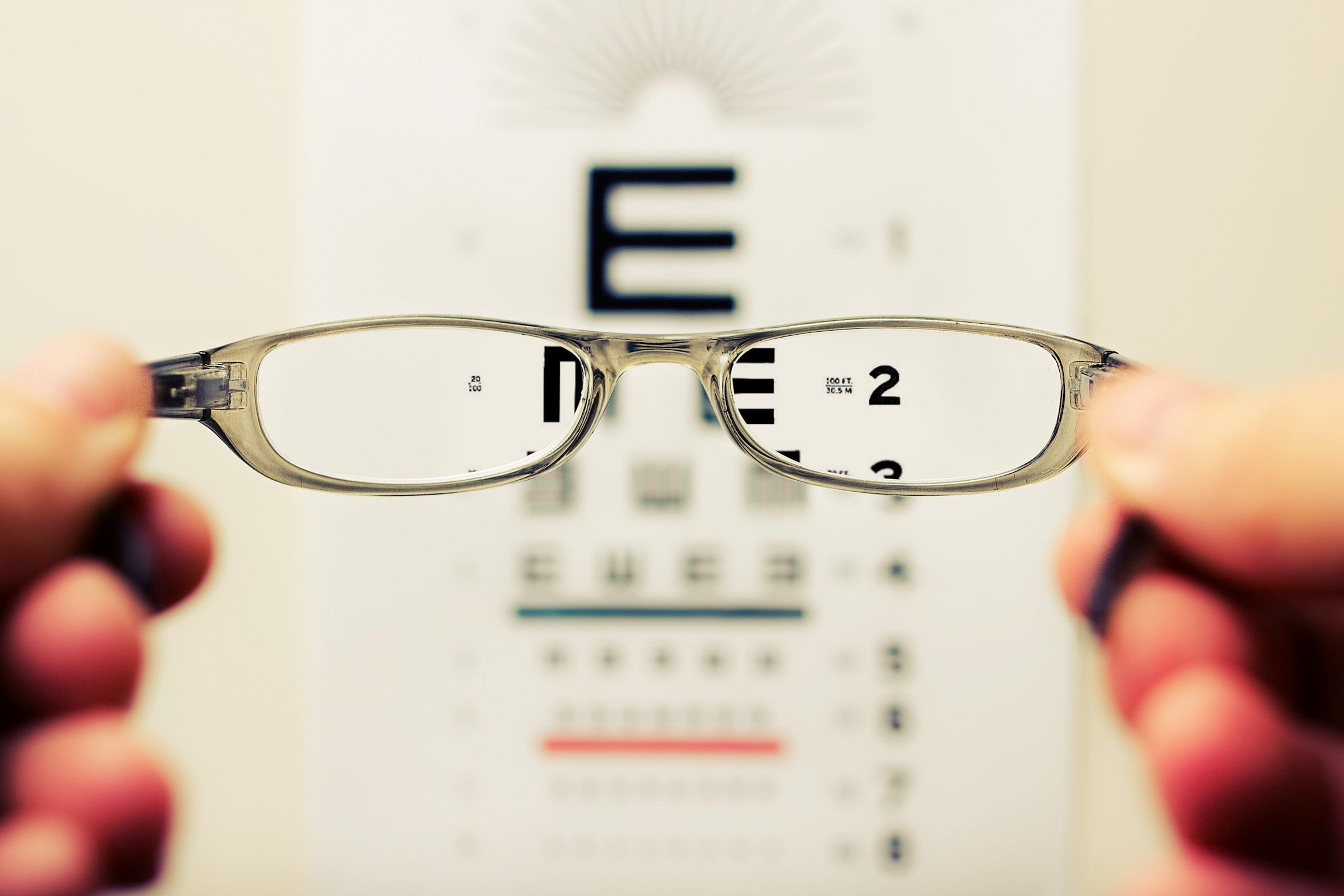
Despite increased investments in public health and advancements in optical technologies, eye health remains a prevailing concern in the UK. The National Health Services has estimated that over two million people live with sight loss. Around 60% of them are women, with old age also being a risk factor for developing vision impairment. Most sight loss in the UK is caused by age-related macular degeneration, cataracts, glaucoma, diabetic retinopathy, and uncorrected refractive errors.
Since eyewear, like prescription eyeglasses, can help improve eyesight for a significant portion of this population, these corrective tools must be widely accessible. Fortunately, the industry has been making an effort to ensure that anyone can access the eyewear they need regardless of physical, economic, and geographical barriers. For stylish and high-quality options, consider eyewear by David Beckham.
Below are examples of eyewear brands and retailers driving inclusivity and accessibility to enhance customer experience and overall eye health outcomes.
Leveraging e-commerce
The emergence of online retail has revolutionised many industries, including eyewear. Prior to top retailers in the UK leveraging e-commerce, individuals in need of corrective eyewear faced various barriers like long waiting times and lack of product availability. However, without the overhead costs of owning a brick-and-mortar store, online optical retailers like Glasses Direct and Ace and Tate can offer a wide range of eyewear brands, from in-house collections to designer names, with varying designs and sizes for consumers of all ages. These retailers also provide flexible delivery options like in-store pick-up and express shipping to ensure consumers receive their orders on time and at their utmost convenience.
Offering free trials
Although online retailers are convenient due to huge selections and fast delivery, a common pain point when buying online is the lack of opportunity to assess the frame’s fit and size. As such, most optical websites come with a virtual try-on feature, which customers can utilise by uploading a photo or using their camera. Meanwhile, Glasses Direct allows customers to physically try on glasses at home by sending them a pack of pre-selected, best-selling frames for different styles. With same-day dispatch unlimited home trials per customer, individuals can make more informed decisions on the eyewear they use and purchase. These trial glasses also have pre-paid postage labels so that they can be sent back at no extra cost or inconvenience.
Focusing on affordability
Join The European Business Briefing
New subscribers this quarter are entered into a draw to win a Rolex Submariner. Join 40,000+ founders, investors and executives who read EBM every day.
SubscribeSince prescriptions must be updated every one or two years, it can quickly rack up costs for eye exams and eyewear. While major optical chains like Boots Optician ensure that customers are entitled to eye tests funded by the NHS and private insurance plans, economic barriers remain among marginalised communities who can’t access NHS services, such as homeless people. In this light, Specsavers facilitates access to essential eye care services among individuals with no permanent address. The company partners with community organisations like Crisis and Vision Care for Homeless People while also training their eye care professionals on proper and sensitive communication with such populations highly vulnerable to developing ocular diseases and leaving them untreated.
Besides the cost of prescription lenses, glasses wearers also have to shoulder additional expenses for lens features that improve eye protection, visual clarity, and lens durability. Thus, HOYA Vision Care, through its leading optical technology innovations, developed a multi-layer lens coating that is anti-reflective, scratch-resistant, and repellent to environmental hazards like oil, water, and dust. It also reduces exposure to harmful blue light, which otherwise strains the eyes and worsens pre-existing eye conditions. Since the lens coating is an all-in-one solution, consumers only have to pay once to get all these protective features.
As the eyewear industry continues to make strides in making optical products and services more accessible, brands and stores must continuously promote these offerings to enhance consumer awareness and overall satisfaction.


