





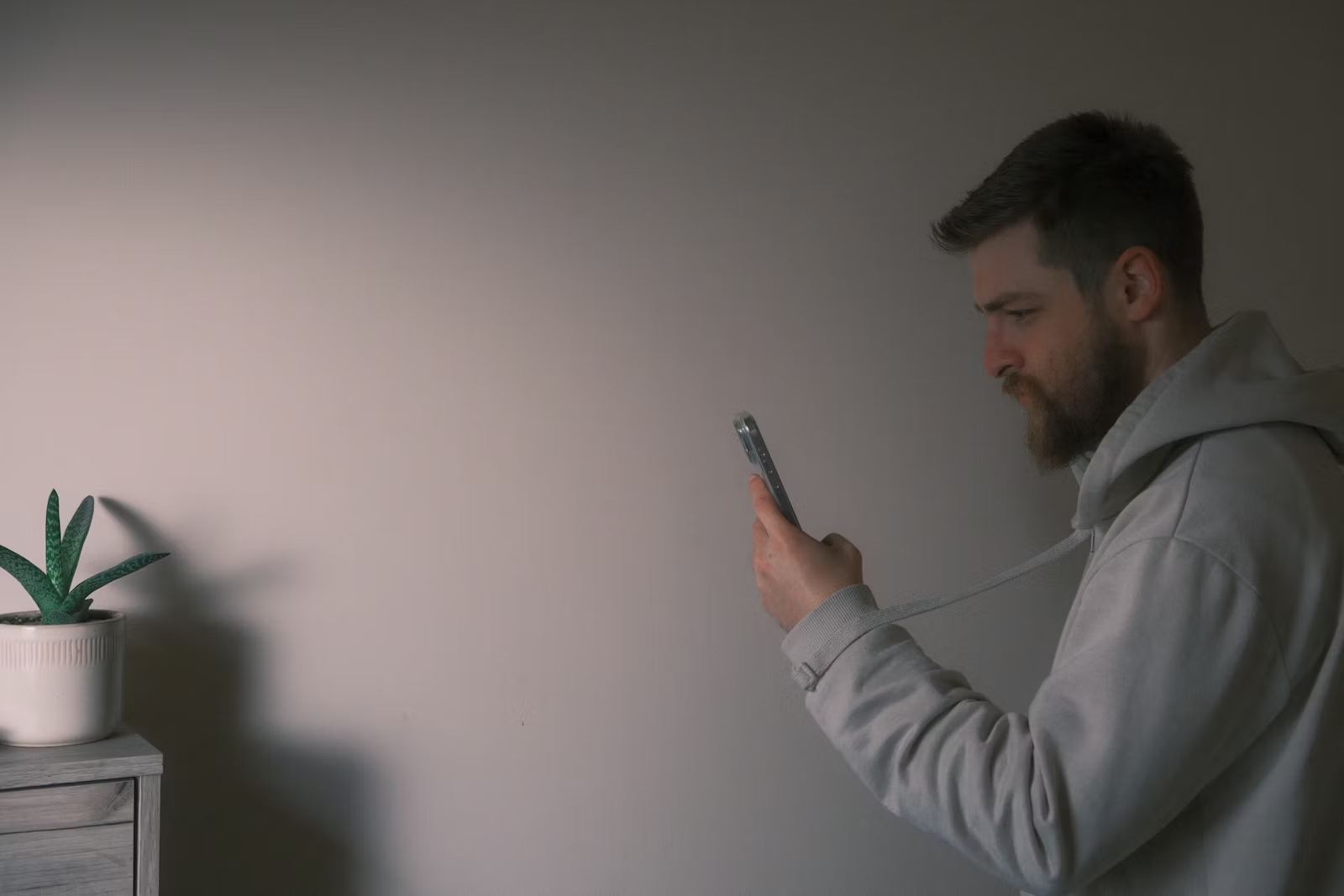
For decades, the biggest hurdle in mental health care was simply getting into the room with a professional. In many parts of the world, there were no rooms to go to, or the cost of entry was far too high. This created “care deserts”—entire regions where millions of people lived without any emotional support.
However, we have reached a major turning point. Innovation has finally begun to close this gap, transforming the way we look at wellness and making support available to anyone with a screen.
Support is Finally Within Reach
The old problem was a lack of access. If you didn’t live in a big city or have a high income, finding a therapist was nearly impossible. Today, technology is turning smartphones into a gateway for high-quality care. This movement is about more than just therapy; it is about building a lifestyle of wellness.
Join The European Business Briefing
New subscribers this quarter are entered into a draw to win a Rolex Submariner. Join 40,000+ founders, investors and executives who read EBM every day.
SubscribePeople are now using various habit tracker apps to stay on top of their sleep and exercise, while also using those same devices to connect with experts. The big idea is simple: your location or your budget should no longer limit your ability to take care of your mind. We are moving toward a world where the help you need is always just a few taps away.
Talking to a Professional from Anywhere
Telehealth has changed the game for people in small towns and busy cities alike. In the past, seeking help meant taking time off work, finding childcare, and driving to a clinic. Now, virtual mental health support — delivered through video calls and chat apps — allows you to have a session from the comfort of your own couch. This isn’t just about convenience; it is about finding the right fit.
Digital networks now allow you to find a therapist who speaks your native language and understands your specific cultural background, even if they live on the other side of the country. For many, especially those in communities where mental health is still a sensitive topic, the privacy of a digital session makes it much easier to take that brave first step.
A Helper That’s Always Awake
Human therapists need to sleep, but our struggles don’t always follow a schedule. One of the most important innovations is the rise of smart chatbots and AI helpers. These tools are available at 2 AM when you can’t sleep or during a sudden moment of panic at work. These aren’t just robots; they are programmed with proven psychology techniques to talk you through a hard moment.
Beyond just responding to you, these apps are getting better at “noticing” when you are stressed. By looking at subtle changes in how you use your phone, they can offer advice before things get worse.
This kind of “proactive support” is the only way to help millions of people at the same time without burning out the human medical system. It ensures that no one has to wait until they are in a full crisis to receive a kind word or a helpful tool.
Using Your Gadgets to Stay Balanced
The gadgets we wear every day are also becoming part of our support team. Smartwatches and rings are no longer just for counting steps; they are now powerful tools for monitoring our nervous systems. By tracking your heart rate and your sleep, these devices can tell when your body is under physical stress.
Many of these devices now offer “biofeedback.” If your watch detects your heart is racing, it might suggest a breathing exercise or a quick walk to help you calm down. This real-time help allows you to catch stress in the moment rather than letting it build up all day.
Furthermore, many people are now sharing this health data with their doctors, giving them a clear, honest picture of how they are doing between appointments. It turns mental health from a “guessing game” into a data-driven journey.
New Ways to Practice Being Brave
Virtual Reality (VR) is another exciting frontier. It is being used to help people face their fears in a safe, digital world. For someone with a phobia or social anxiety, practicing in a VR simulation is a great way to build confidence before trying things in real life. It’s like a flight simulator for your emotions.
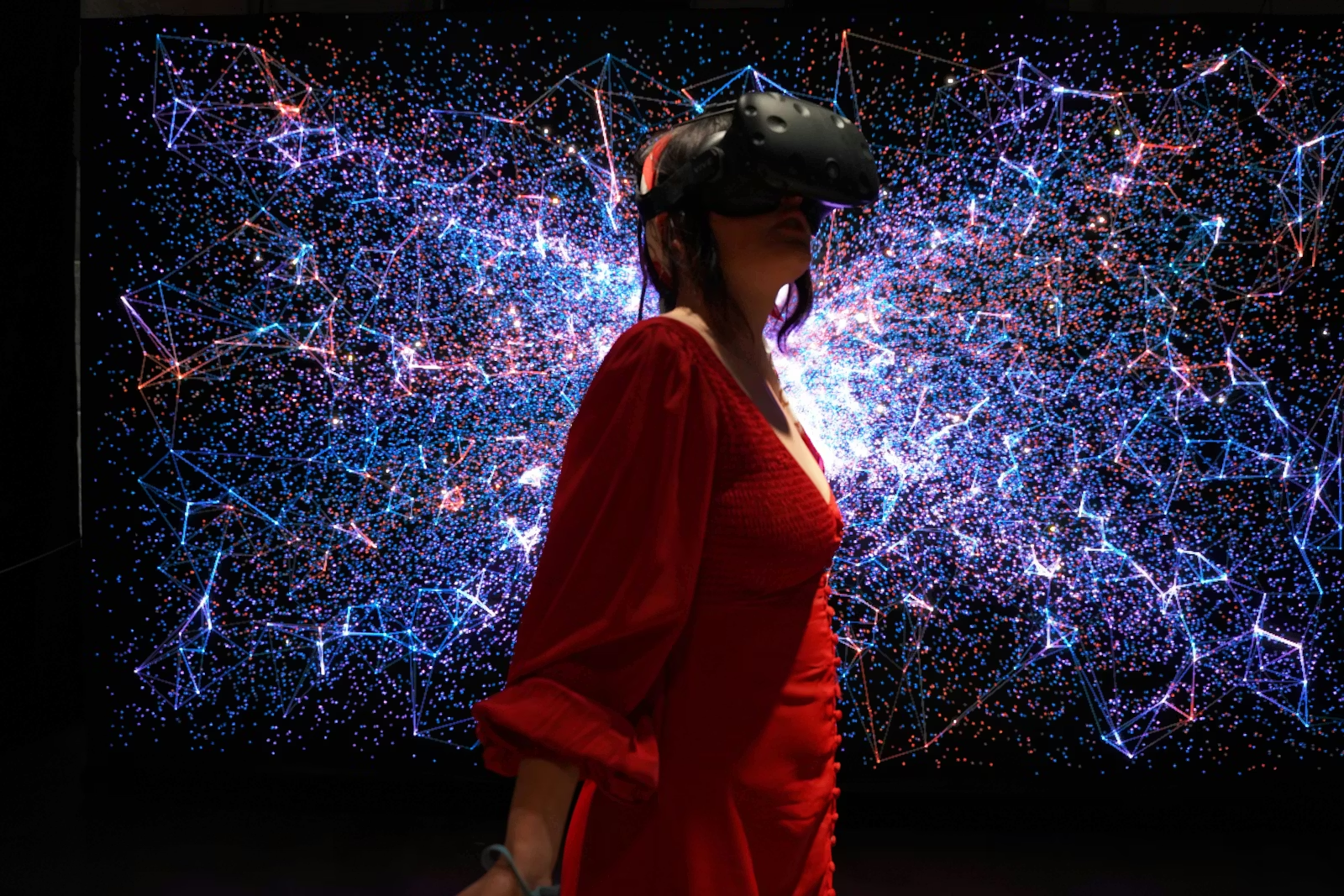
Additionally, VR “nature trips” are helping people who live in loud, concrete-filled cities. Being able to put on a headset and spend ten minutes in a quiet, digital forest has been shown to lower cortisol and improve mood.
For neurodiverse individuals, these simulations also provide a low-pressure way to practice talking to others and navigating social situations. It is a form of practice that is both fun and deeply healing.
Common Myths About Digital Help
Even with all this progress, some people are still hesitant. A common myth is that digital care isn’t “as good” as meeting someone in person.
However, research now shows that video therapy and AI-assisted tools can be just as effective for many conditions. They provide the same core techniques but in a more flexible format.
Another big worry is that “your secrets aren’t safe.” While it’s important to be careful, new global rules and high-level encryption mean that mental health apps are now more secure than ever.
Modern tools are designed with “privacy-first” standards to ensure your private thoughts stay between you and your care provider.
A Future Where No One Struggles Alone
We are heading toward a future where mental health tools will be as common as a first-aid kit in every home. Technology isn’t here to replace the human touch; it’s here to make sure that help is available while you wait for a human or to support you during the times when you are on your own. By breaking down the barriers of cost and distance, innovation is making sure that every person has a chance to feel better. We are finally building a world where the health of your mind is treated with the importance it deserves.


