





EBM Newsdesk Analysis
May 14, 2026 — BYD, China’s largest electric-vehicle manufacturer, is in discussions with Stellantis and other European carmakers about taking over underused European factories rather than building new ones from scratch, according to reporting in Automotive News Europe. The shift in strategy — confirmed by Stella Li, BYD’s executive vice-president for the Americas and Europe — would let BYD bypass the 17 to 35 percent provisional EV tariffs Brussels imposed in 2024 by producing inside the EU, while simultaneously absorbing the spare capacity that Stellantis, Renault and Nissan have been unable to fill. BYD has already committed to a Szeged plant in Hungary opening this year and a second site in Manisa, Turkey, by 2027. Acquisition would accelerate that footprint by years.
For European business this is the inflection point. Brussels constructed its EV tariff regime to slow Chinese market entry. Chinese manufacturers have responded by buying their way inside the wall. Every empty European auto plant is now a potential bidding asset, and every European policymaker who designed the tariffs has to decide whether to allow Chinese capital to absorb European industrial overcapacity, or refuse and accept the political cost of mass redundancies.
What’s actually being offered
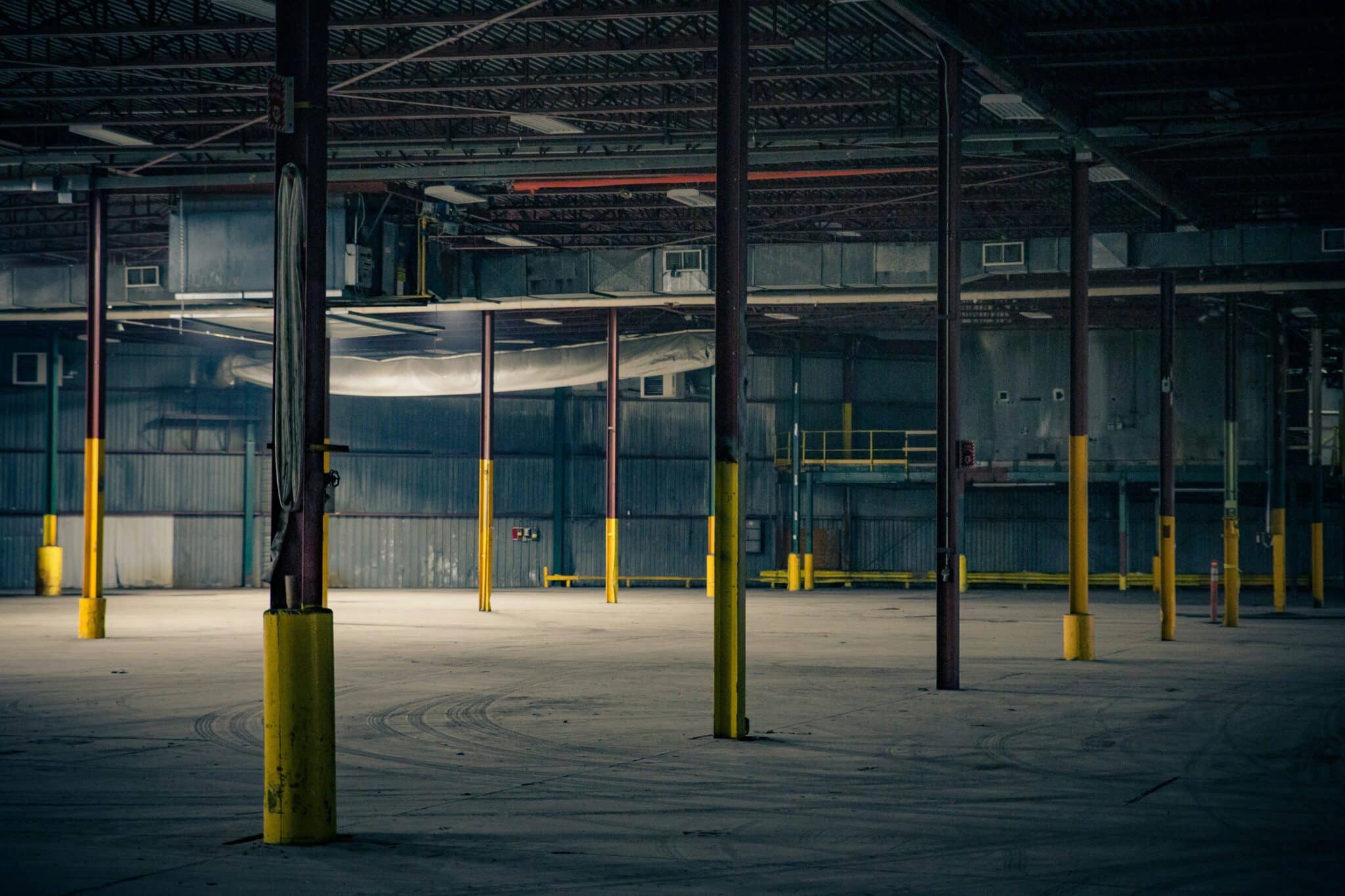
The economics for both sides are clean. Stellantis carries roughly 30 percent excess production capacity across its European plant network. Plants in Mirafiori (Italy), Pomigliano (Italy), Eisenach (Germany), Hordain (France) and others have been operating well below break-even for three years. Each closure announcement triggers political crisis. Each one absorbed by a Chinese buyer becomes a politically acceptable continuation of operations with EU registration, EU jobs, EU value-added — and Chinese ownership.
Join The European Business Briefing
New subscribers this quarter are entered into a draw to win a Rolex Submariner. Join 40,000+ founders, investors and executives who read EBM every day.
SubscribeBYD’s interest is structural. China’s domestic EV market has reached supply saturation. The 17-35% European tariff regime is a binding constraint on export-led growth. Building new capacity inside the EU takes five to seven years. Acquiring existing capacity takes twelve months.
The Brussels dilemma
The European Commission’s tariff regime explicitly anticipated Chinese subsidiary establishment as one possible response. What it didn’t fully model was acquisition of existing European plants — which scrambles the entire political logic. A Mirafiori plant kept open by BYD employs the same Italian workers, pays the same Italian taxes, registers vehicles for the same European market. The only thing that changes is the corporate parent.
For Friedrich Merz’s German government, an acquisition that saves a Volkswagen-adjacent supplier town is politically attractive even if Berlin’s strategic posture is suspicious of Chinese capital. For Giorgia Meloni’s Italy, a BYD takeover of Stellantis’s Pomigliano plant is the political alternative to mass redundancies in a constituency she cannot afford to lose. Brussels’ tariff regime relies on Member State coordination. Acquisitions split the room.
What this does to the European EV plan
Europe’s €200 billion EV investment programme was designed to build a sovereign European EV supply chain. BYD taking over Stellantis plants converts that programme into a managed transfer of European production assets into Chinese corporate ownership. The 600 GWh of cancelled gigafactory capacity referenced in our earlier analysis becomes Chinese-supplied capacity housed in European industrial real estate.
For Volkswagen, Renault and Stellantis themselves, the calculation is bleaker. If BYD acquires the underused European plants, the structural competitive disadvantage that has cost them their Chinese market share becomes the structural competitive disadvantage that costs them their European market share — operating from the same factories, against the same brand, with the same workforce.
The historical parallel
There is a precedent. In the 1980s and 1990s, Japanese carmakers established European operations to bypass the 1991 EU-Japan voluntary export restraint agreement. Nissan in Sunderland, Toyota in Burnaston, Honda in Swindon — all became established European producers within a decade. The Japanese entry was framed as integration; the Chinese entry will be framed as takeover.
The political mood is different. So is the strategic context. The 1990s welcomed Japanese capital as a balance against German industrial dominance. The 2020s receive Chinese capital under the cloud of the Trump-Xi summit that excluded Europe entirely and the Aghion case for a smaller, willing European core able to negotiate at speed.
BYD has made the offer. Stellantis is listening. Brussels will have to choose between industrial sovereignty and industrial relevance — and the choice will be made plant by plant, country by country, deal by deal.
The empty European factories now have a buyer. The price is European autonomy.
Related Analysis


