





EBM Newsdesk Analysis
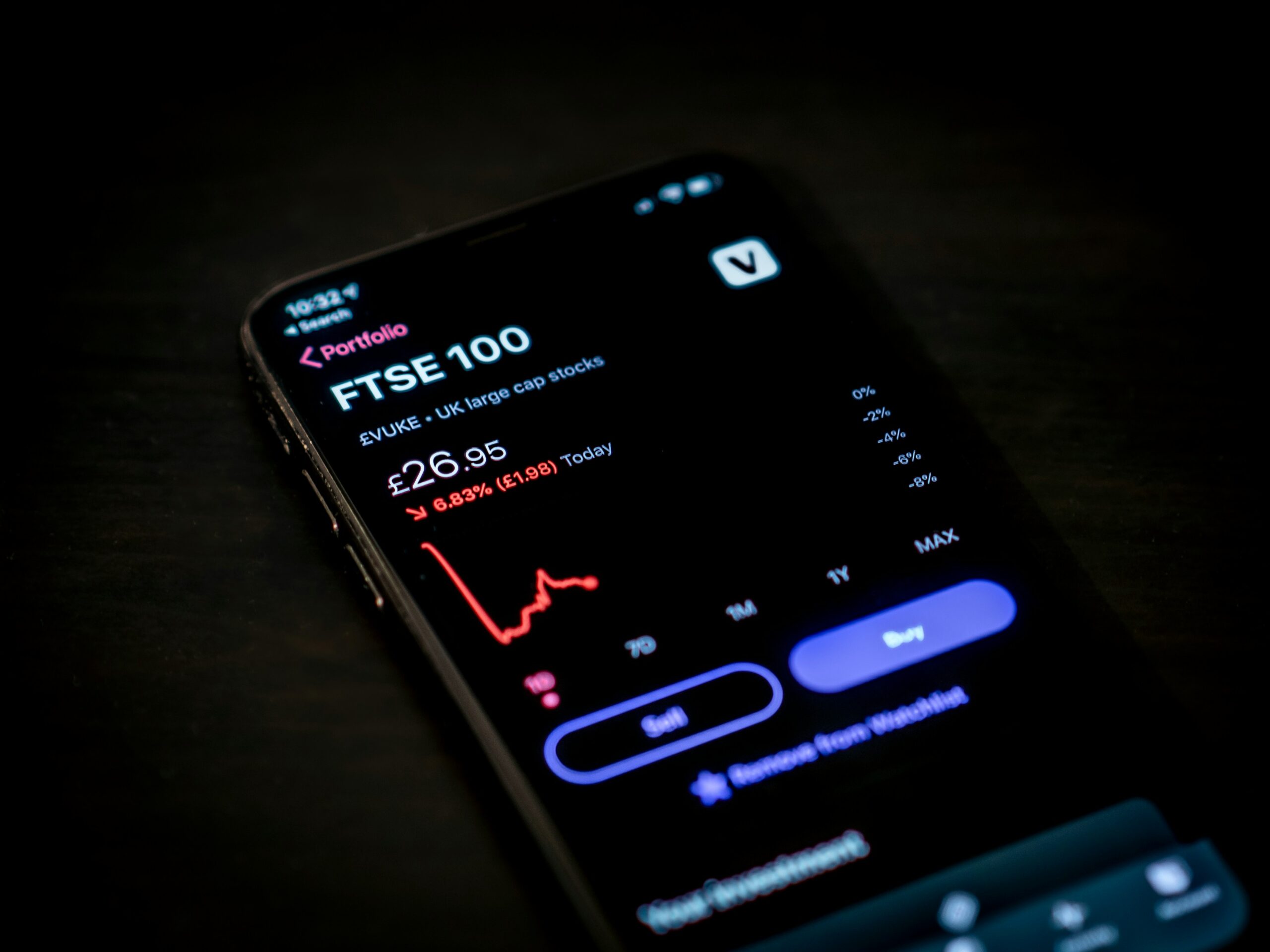
May 12, 2026 — The FTSE 100 opened sharply lower as a compound shock — President Trump’s declaration that the US-Iran ceasefire is on “massive life support” and the open cabinet revolt against Prime Minister Keir Starmer — pushed Brent back above $106 a barrel and sent UK gilt yields higher. Barclays, Lloyds and NatWest led the descent. The IATA jet fuel benchmark fell 10.1% in the week ending May 1 as European refineries pivoted to “max jet mode,” yet kerosene still trades 60% above pre-war levels.
What is emerging is not a market wobble. It is the textbook profile of stagflation — rising input costs, weakening demand, a constrained central bank, and a political authority too distracted to respond. The ECB has already postponed rate cuts; the Bank of England’s room is smaller still. For European corporates with UK exposure, the question is no longer whether to hedge but which leg of the trade — energy, sterling or gilts — moves first.
LONDON, May 12 — Trump’s overnight rejection of Tehran’s counterproposal as “a piece of garbage” pushed Brent through $106 by London open. Iran’s parliament speaker Mohammad Bagher Ghalibaf said the armed forces were “prepared for every option.” The Strait of Hormuz remains closed. Markets are no longer pricing a ceasefire scenario at all.
Join The European Business Briefing
New subscribers this quarter are entered into a draw to win a Rolex Submariner. Join 40,000+ founders, investors and executives who read EBM every day.
SubscribeBanks lead the descent
Barclays, Lloyds and NatWest fell hardest in early trade — a textbook stagflation read. Higher inflation lifts loan-loss provisions. A stalling economy crushes borrowing demand. Net interest margins, the lone bright spot of the past two years, narrow as the curve flattens. The UK banking sector entered 2026 trading at a premium to European peers on the strength of buybacks and capital return. That trade is now under direct threat.
Deutsche Bank analysts have flagged that a sustained Brent print above $100 raises the probability of a UK technical recession by year-end to above 50%. For European banks with London-cleared loan books, the contagion channel runs through commercial real estate and mid-market corporate lending — neither of which has materially repriced since March.
Gilts and the Starmer problem
Gilt prices fell and yields rose as cabinet ministers joined the backbench chorus calling for Starmer to step down. The political risk premium on UK sovereign debt — invisible for most of the past decade — is now a real number, and one that compounds with every Brent uptick. The UK has been the worst performer in the global bond sell-off triggered by the Iran war. Sterling has held up only because the alternative, the euro, is being sold against a stagflating Germany.
The fiscal arithmetic is brutal. Higher gilt yields raise the Treasury’s debt-service costs at the precise moment defence and energy-subsidy spending is rising. Rachel Reeves’s autumn fiscal headroom, never generous, is being eaten in real time. A leadership contest would freeze policy through the summer refill season — the worst possible timing for a country whose winter gas stocks need rebuilding.
The jet fuel half-truth
The 10.1% weekly drop in the IATA jet fuel benchmark looks like good news. It is not. European and UK refineries switched to “max jet mode” — prioritising kerosene production over diesel and gasoline — to head off a summer travel crisis. The price relief is the product of an emergency reallocation, not improved supply. Diesel and gasoline cracks will widen to compensate. Hauliers and motorists will pay the differential.
Additional shipments from the US Gulf Coast and Nigeria have steadied the short-term picture, but kerosene remains 60% above pre-conflict prices. IAG, easyJet and Lufthansa face a margin compression that no fuel-hedging book fully absorbs, and the ReFuelEU SAF mandate ensures the fixed cost component only rises from here.
Retail and the Greggs tell
The British Retail Consortium reported a 3.4% year-on-year fall in April sales. Easter timing explains part of it. Collapsing consumer confidence explains the rest. M&S fell at the open as the furniture-led rebound fizzled. Big-ticket discretionary spend is the first thing to die in a stagflation.
Greggs is the counter-indicator. Like-for-like sales rose 3.3% in the past ten weeks, driven by chicken bakes, salads and a deliberate pivot away from sweet treats. Cost inflation is guided at a manageable 3%. The signal is not that Greggs is winning — it is that British consumers are trading down. When discount bakers outperform department stores, the cycle has already turned.
Brent will set the agenda from here. Westminster will not.
Related Analysis


