





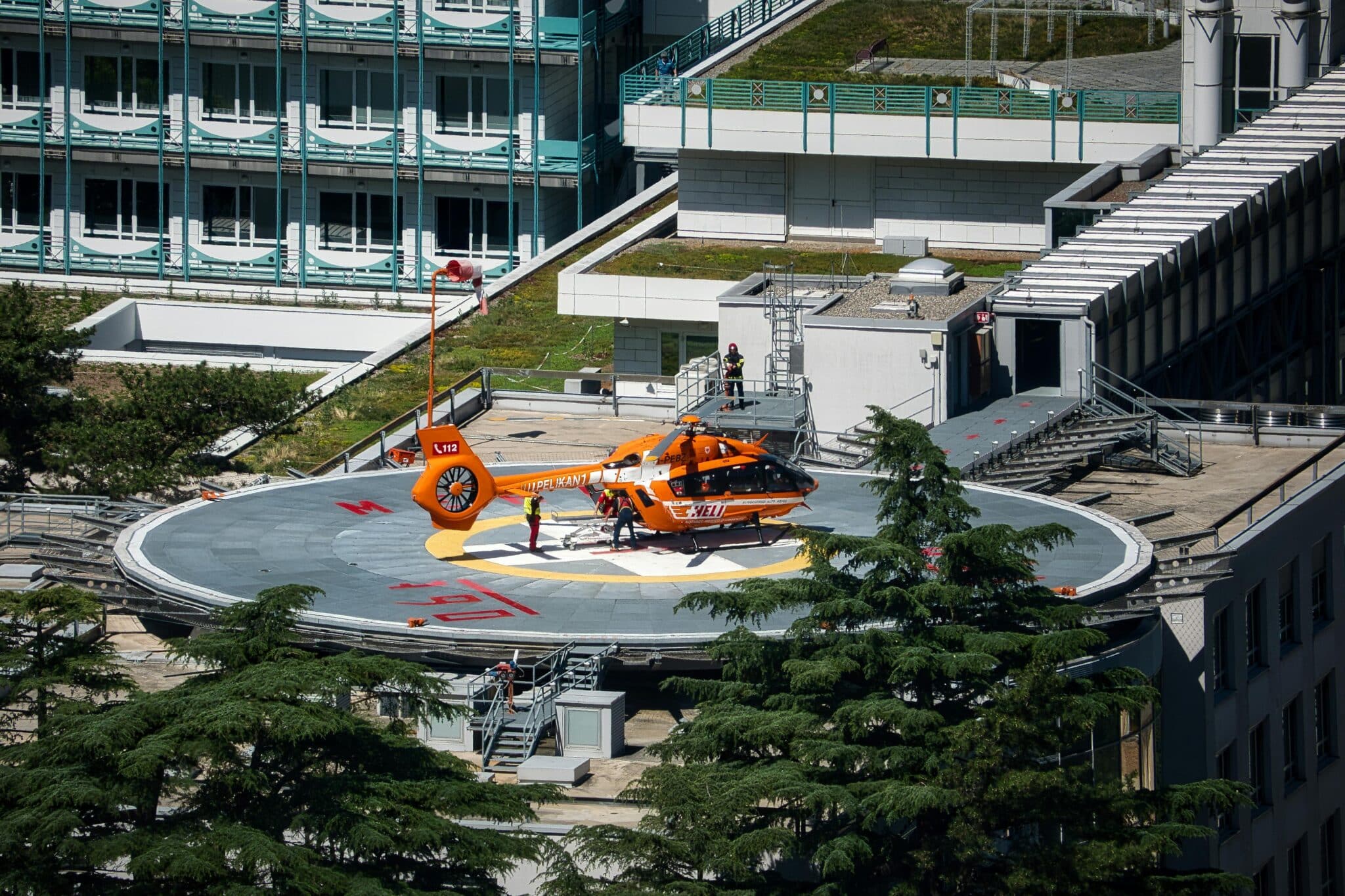
Time on the ground often decides whether a deal stays on track or slips. For business travellers moving between financial centres, road traffic is usually the weakest link. Helicopter transfers remove part of that friction, but only when the infrastructure on both ends is well organised. Some cities manage this consistently. Others do not, and the difference becomes obvious when schedules tighten. Delays at landing sites, limited slot availability, and poor coordination with ground transport can quickly erase any time saved in the air, turning a streamlined transfer into another unpredictable leg of the journey.
London Leads With Integrated Heliport Access
For those considering a helicopter charter, London sets the standard. The London Heliport in Battersea sits within reach of both the City and Canary Wharf, making it one of the most usable heliports in Europe for financial travel.
Flight paths are tightly controlled, and slot coordination during peak hours is handled with consistency. A typical weekday example highlights the advantage. A passenger landing at Farnborough Airport shortly after 08:30 can be airborne again within minutes and on the ground near central London before 09:00. The same journey by road can extend well beyond an hour during peak traffic.
Join The European Business Briefing
New subscribers this quarter are entered into a draw to win a Rolex Submariner. Join 40,000+ founders, investors and executives who read EBM every day.
Subscribe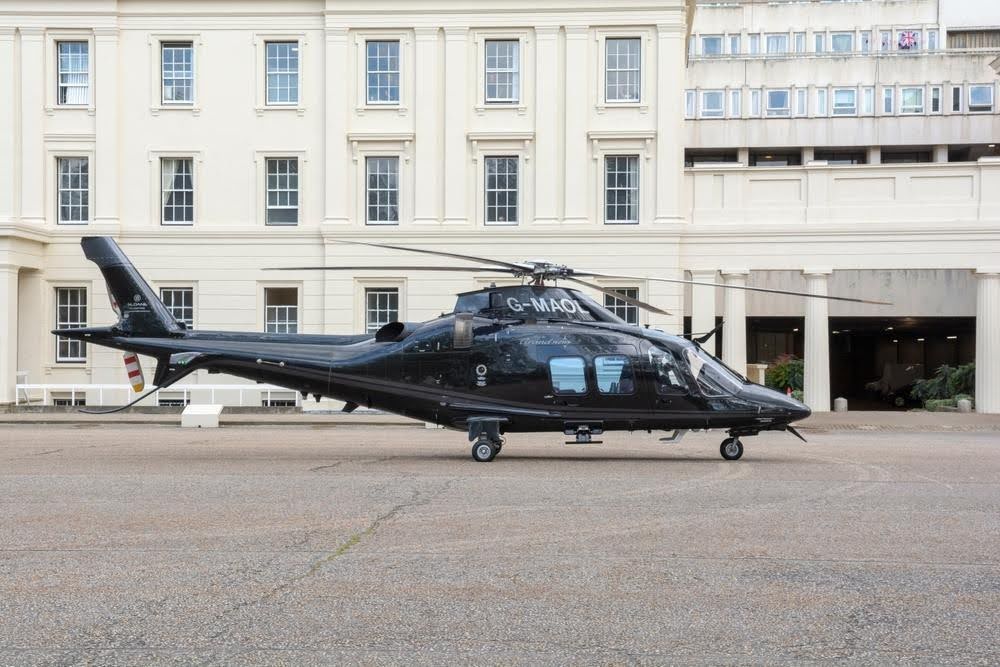
Paris Balances Central Access With Regulation
Paris operates within a more regulated framework. The Issy-les-Moulineaux Heliport serves as the main access point, positioned close to La Défense, the city’s primary business district.
Operating windows are restricted due to the urban noise policy, and movements are more tightly scheduled. Even so, the system remains effective. Transfers from Paris Le Bourget Airport to La Défense typically take under 10 minutes in the air.
What stands out is structure. Flights operate within defined limits, but within those limits, reliability is strong.
Zurich Prioritises Speed and Precision
Zurich approaches the problem differently. Instead of relying on a central heliport, helicopter operations are integrated directly into Zurich Airport.
Dedicated helicopter stands reduce taxi time, and coordination between aircraft movements is handled with precision. Passengers arriving on long-haul flights can transfer quickly without extended ground delays.
This is not the most visible system, but it is highly efficient. The focus is on reducing friction rather than adding infrastructure.
Frankfurt Connects Finance and Aviation Directly
Frankfurt benefits from proximity. Frankfurt Airport sits close to the financial district and key institutions such as the European Central Bank.
Helicopter transfers are available, but they serve as a flexible option rather than a primary solution. During peak congestion or when connecting beyond the city, they offer a time-saving alternative. For shorter journeys, the benefit is less pronounced.
This makes Frankfurt efficient in a different way. The infrastructure supports choice rather than necessity.
Frankfurt Connects Finance and Aviation Directly
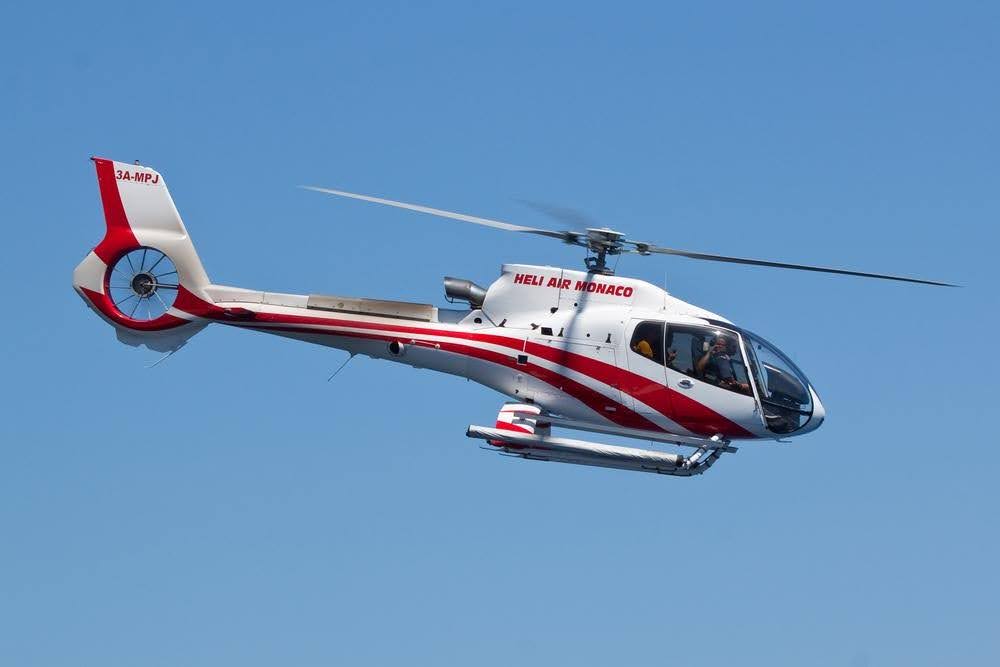
Seven minutes. That is the standard transfer time between Nice Côte d’Azur Airport and the Monaco Heliport.
Flights operate frequently, often every 15 to 30 minutes during peak periods. The system is built for repetition. Passengers arrive, transfer, and continue without delay.
In a region where road congestion along the coast can be unpredictable, this consistency makes a measurable difference to travel planning.
What Separates Efficient Heliport Infrastructure
Proximity alone does not solve the problem. The most effective hubs combine location with predictable slot management and fast ground handling.
Integration with major airports is equally important. Cities that connect helicopter operations directly to fixed-wing arrivals reduce transfer time significantly. Zurich and Frankfurt demonstrate this clearly, even though their approaches differ.
Reliability Matters More Than Raw Speed
Speed is useful, but only when it can be repeated consistently. Business travellers tend to prioritise reliability over theoretical performance.
London and Zurich stand out because their systems remain stable under pressure. Paris operates within tighter limits but maintains dependable service. Monaco offsets its smaller scale with high frequency.
When Helicopter Transfers Make Sense
Helicopter transfers are most effective in congested urban corridors or when schedules are tight. Airport-to-city routes, cross-city transfers, and multi-stop itineraries all benefit.
They are less relevant where distances are short and road access is predictable. Frankfurt illustrates this clearly. The option exists, but its value depends on timing rather than distance.
Choosing the Right Hub for Efficient Movement
For business travellers planning across Europe, heliport infrastructure can influence how itineraries are structured. London offers scale and consistency. Zurich delivers precision. Paris provides structured access to its business district. Monaco focuses on rapid, repeated transfers. Frankfurt offers flexibility when needed. In practice, London and Zurich provide the most consistent performance across varied conditions, while Monaco delivers the fastest point-to-point transfer over short distances. The difference is visible in how reliably a traveller can move from runway to meeting room.


